
The wellness industry’s view of where meditation is heading in 2026 moves beyond a long-standing line about “emptying the mind”. Looking at the 10 wellness trends for 2026 announced by the Global Wellness Summit in November last year, Mindful Leader’s workplace report on meditation leadership, and Headspace’s new feature—after it surpassed 100 million downloads—suggests the target of meditation is widening to include the nervous system, technology, community and the workplace.
The aim of meditation moves from “mind” to the “nervous system”
The Global Wellness Summit highlighted the “rise of neuro-wellness” as a key trend in 2026 and said: “Regulation of the nervous system is the next frontier of human health.” It points to growing interest in vagus nerve stimulation devices, EEG-based sleep tools and neurofeedback platforms. It also says practices such as breathing techniques and yoga are being revisited for their effects on stabilising the nervous system. In effect, meditation is shifting from tackling “emotions” to a technology for working with “autonomic nervous system responses”. In Korea too, wearable devices measuring heart rate variability (HRV) and biofeedback meditation are being introduced gradually, keeping the Korean market open to the idea of “measurable meditation”.
AI speaks to you in meditation— the rise of a conversational companion
In October 2024, Headspace unveiled an empathetic AI companion called Ebb to subscribers in the US. Built by a clinical psychologist and a data scientist, it learns motivational interviewing counselling techniques, then unpacks a user’s emotions through conversation before recommending the right meditation. It also includes safety features designed to detect self-harm and crisis signals, but the company draws a line, saying: “It is not a clinical diagnostic tool.” In December 2025, voice features were added and it was rolled out to the UK. It is a signal that meditation, which previously relied on listening to set audio, is changing to respond to users’ states. Korean meditation and psychology apps are also a place where conversational AI could be worth considering.
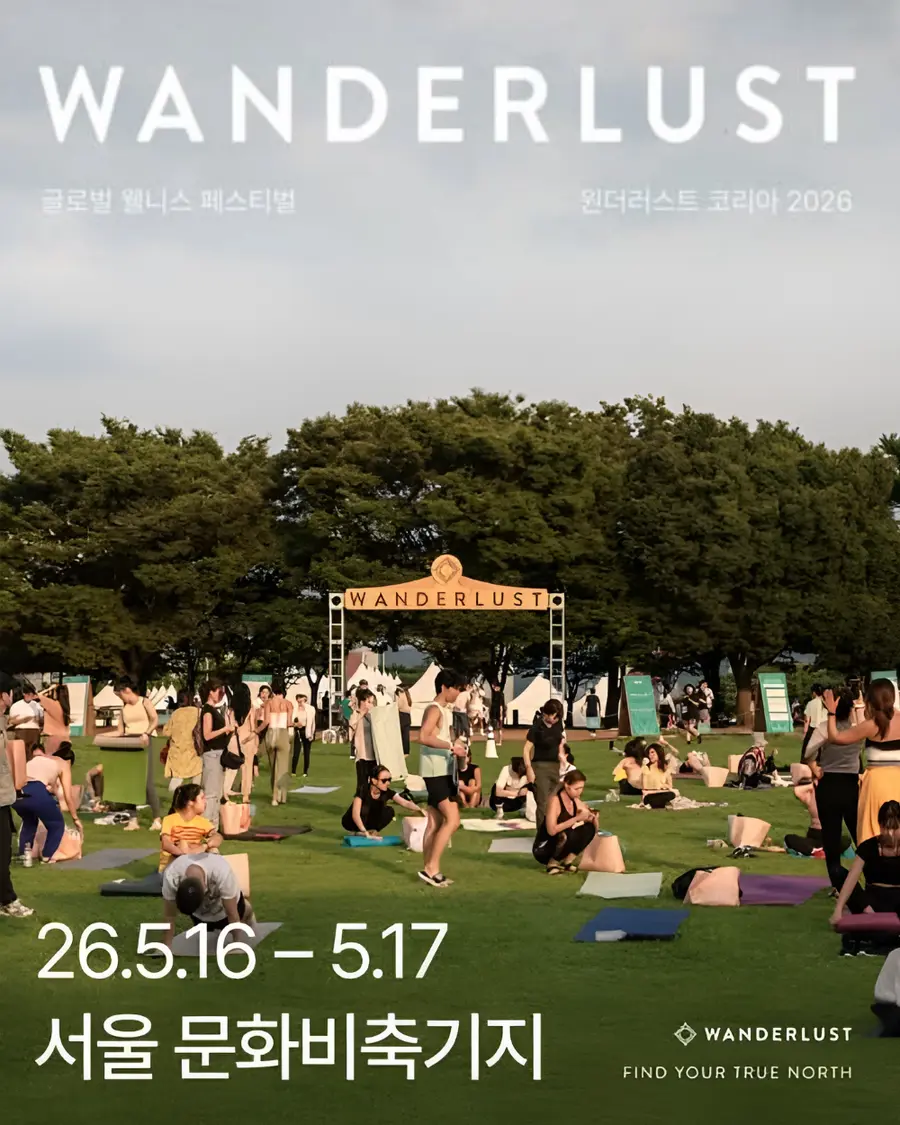
Meditation that used to be done with eyes closed comes to the public square— group and festival-style wellness
The same report also points to a “festivalisation” of wellness. It says formats are increasingly common in which people gather to share their emotions together—such as alcohol-free morning raves, breathing and recovery zones inside music festivals, sound baths, and local sauna meet-ups. The central sentiments are: “participation instead of perfection” and “belonging instead of performance”. In Korea, too, trends that align with this—such as sound baths, singing bowl meet-ups and meditation retreats—suggest the scope for community-based programmes is expanding beyond solitary practice.
The workplace calls meditation back— a tool for the burnout era
Mindful Leader’s autumn 2025 workplace report collected material such as that from Gallup and said that global employee engagement in 2024 fell to 21%, the level seen during the pandemic. It found that 44% of employees reported higher stress than five years ago, while 36% said they could not use mental health support because of cost, complexity and stigma. The report sees mindfulness and digital wellness as the fastest-growing areas in the $2tn wellness market. Korean companies’ mindfulness programmes and employee assistance programmes (EAPs) are also connected to this momentum.
Implications for Korean readers
The common thread across the four trends is that meditation is expanding beyond a quiet personal habit into measurement, technology, community and organisations. In Korea, too, wearable meditation, conversational apps, sound meet-ups and workplace programmes are already taking root. The next challenge is deciding which target areas should be scaled and adapted to fit Korean circumstances, rather than simply copying overseas examples.
For article enquiries: fare3041@naver.com
