
The Mind's Time Stops The Cell's Time: The Science of Meditation and Aging
“Meditation Revives Cells – Finding Answers in Telomeres: A Health Strategy for Modern People”
Everyone, have you noticed the term 'slow aging' popping up frequently on social media lately? This term coined by Professor Jeong Hee-won has now hit the marketing world so hard that even 'slow aging instant rice' has appeared, showing just how great our obsession (or rather, interest) in aging is.
But wait, let me pose a really interesting question here. What if meditation – that simple act of just sitting and focusing on your breath – actually determines the length of our lives? Sounds ridiculous, right? Yet, science is proving this 'ridiculous' claim.
Cells Also Have Clocks
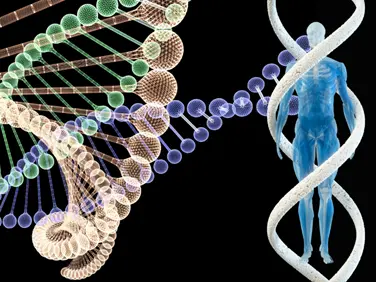
Every cell in our body has a kind of biological timer. Molecular biologists call this 'telomere'. This small structure at the ends of chromosomes shortens gradually as cells age. Imagine the plastic cap at the end of a shoelace. Once it wears out, the shoelace unravels; similarly, when telomeres wear out, cells can no longer function properly.
This process is at the core of what we call 'aging'. Skin sags, memory declines, and immunity weakens – all related to telomeres.
So, is there a way to slow down this biological clock? This is where meditation comes in.
The Amazing Discovery That The Mind Moves Molecules
The saying “stress shortens lifespan” is now a scientific fact. Dr. Blackburn's team at UC Davis discovered that three months of meditation practice increased the activity of telomerase (the enzyme that regenerates telomeres) by over 30%. Telomerase can be considered a kind of 'fountain of youth' for cells. The more active this enzyme is, the slower the wear on telomeres.
One study that particularly impressed me was about 39 caregivers of dementia patients. We all know how stressful caregivers' lives can be, right? When they meditated for just 12 minutes a day for 8 weeks, their depression decreased, cognitive function improved, and – most importantly – telomerase activity increased by 43%.
Just 12 minutes. That's less than a third of the time it takes to watch a single Netflix episode. Yet, this short time brings about effects that slow aging at the molecular level. Isn't that amazing?
Not All Meditations Have The Same Effects
In 2020, researchers from North Carolina conducted an interesting experiment with 176 participants. They divided them into groups for loving-kindness meditation (cultivating kindness and love towards others), mindfulness meditation (focusing attention on the present moment), and a control group that did nothing, to observe changes in telomere length.
The results? The group that practiced loving-kindness meditation maintained their telomere length the best over time. Simply focusing was not as effective as spending time thinking of others with a warm heart, which provided greater protective effects at the cellular level. This was the first scientific evidence that 'empathy' and 'compassion' offer biological protection beyond mere emotional value.
In fact, this discovery may not be surprising in Eastern philosophy. Buddhism has taught for thousands of years that loving-kindness and compassion meditations have profound healing powers. Now, science is proving that teaching at the molecular level.

Small Habits Change Molecules
The true power of meditation lies not in its depth but in its consistency. Just 12 minutes a day for 8 weeks. Isn't it fascinating that this simple routine can change the fate of our cells?
Meditation is ultimately a practice of training attention, regulating emotions, and creating a stable inner space. Psychologists explain that this process builds 'positive psychological capital' – a collection of self-efficacy, resilience, hope, and optimism.
The important point here is that meditation is not just for peace of mind; it is a 'biological investment' that actually preserves the vitality of our cells. Every time you meditate, you are turning back the aging clock at the cellular level.
Meditation Is Now Not a Choice, But a Survival Strategy
Since COVID-19, the importance of wellness and psychological health has grown even more. However, meditation has now become a scientifically proven tool that determines not just the peace of mind but also the length and quality of our lives.
In a modern society where smartphones are never out of our hands and work stress constantly pours in, meditation is no longer a choice but an essential survival strategy. Once the domain of spiritual practitioners, meditation has now been reborn as a scientifically validated 'anti-aging strategy' in the laboratories of scientists.
Think about how much this small investment of 12 minutes a day can slow down your cellular clock. The molecular evidence of telomeres tells us that taking care of the mind is indeed taking care of the body.
Today, are you ready to turn back your inner clock? Opening a meditation app or simply closing your eyes and focusing on your breath for just 5 minutes can be the first step. And that first step may be the beginning of infinite possibilities for your cells.