
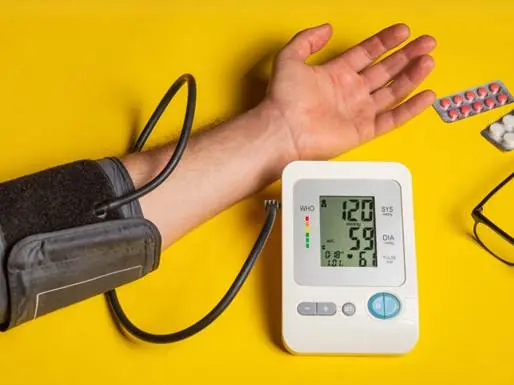
Meditation, A New Alternative for Managing High Blood Pressure
Despite advancements in modern medicine, high blood pressure remains a global health issue. However, recent studies have scientifically proven that meditation can be an effective alternative for managing blood pressure, in addition to medication.
Transcendental Meditation, Excellent Effect on Reducing Blood Pressure
A research team from Maharishi University in Iowa, USA, divided 150 patients with high blood pressure into three groups: Transcendental Meditation, progressive muscle relaxation, and traditional health education, and followed them for a year. The results showed that the group practicing Transcendental Meditation had the greatest reduction in blood pressure, and this effect lasted for over a year.
Notably, meditation reduced reliance on hospital treatments and medications. A greater reduction in blood pressure was observed among female participants.
The Power of Meditation, More Effective than Simple Relaxation
A meta-analysis conducted by a research team at the University of Kentucky in 2008, which included nine randomized controlled trials, confirmed that Transcendental Meditation significantly lowers blood pressure in patients with hypertension. Interestingly, simple muscle relaxation techniques did not show the same level of effectiveness as meditation.
This suggests that meditation impacts the autonomic nervous system and hormonal system more deeply than mere physical relaxation. Experts analyze that meditation lowers stress hormone cortisol levels and regulates blood pressure through the activation of the parasympathetic nervous system.
Sustainable Blood Pressure Management
The effectiveness of the "Meditation-Based Blood Pressure Reduction Program (MB-BP)" developed by a research team at Brown University is also noteworthy. Applying this program to 43 patients with high blood pressure resulted in a significant reduction in their blood pressure, which was maintained even after one year.
Notably, an average reduction of 15.1 mmHg in blood pressure was observed in patients with stage 2 hypertension (severe hypertension). This result is comparable to the targets many antihypertensive medications aim for.
Proven Effects in Domestic Research
The blood pressure-lowering effects of meditation have also been proven in South Korea. According to a study by the Department of Psychology at Duksung Women's University, 17 middle-aged women taking antihypertensive medication were divided into two groups and underwent an 8-week meditation program. The meditation group saw a reduction in systolic blood pressure from 127.06 mmHg to 123.63 mmHg, and diastolic blood pressure from 81.69 mmHg to 79 mmHg.
Interestingly, the control group that did not practice meditation experienced a slight increase in blood pressure.
The Mechanism of Meditation for Cardiovascular Health
Experts propose several mechanisms for how meditation lowers blood pressure. "Meditation contributes to lowering blood pressure by reducing stress responses, decreasing sympathetic nervous system activity, and promoting the production of nitric oxide related to vasodilation," they explain.
Additionally, research indicates that meditation positively impacts overall cardiovascular health by reducing inflammatory markers and improving insulin sensitivity.
Utilization in Clinical Settings
Based on these research findings, some medical institutions recommend that patients with high blood pressure practice meditation alongside medication. "Meditation is most effective when used as a complementary method rather than a replacement for medication," they advise, adding that it is particularly useful for patients concerned about medication side effects or those with hypertension due to various stressors.
Simple Meditation Techniques for Blood Pressure Management in Daily Life
Experts recommend a simple meditation technique for patients with high blood pressure: practicing breathing meditation for 20 minutes twice a day. This involves focusing on deep, slow abdominal breathing while counting numbers like 'one, two' with each inhalation and exhalation.
Additionally, practicing 'body scan' meditation before bedtime to relax the body and stabilize blood pressure is also said to be effective.
Meditation expert Hwang Jung-min states, "Meditation is more beneficial for blood pressure management when practiced consistently over time rather than seeking immediate effects," and advises starting with 5 minutes and gradually increasing the duration.

Meditation, A Cornerstone of Holistic Health Management
Research findings show that meditation positively impacts not only mental stability but also actual physical health indicators like blood pressure. Rather than being an alternative to medication, meditation can serve as a complementary approach and an important element in managing high blood pressure alongside healthy lifestyle choices and proper diet.
The American Heart Association (AHA) has also recently recognized meditation as one of the lifestyle improvement methods for managing high blood pressure. As scientific evidence accumulates, meditation is establishing itself as a pillar of evidence-based medicine rather than remaining in the realm of alternative medicine.