

More people are winding down after work with meditation, yoga and sauna visits instead of drinks. A recently published book, 『Small Business Trends 2027』, names “recoversumers” (a blend of “recovery” and “consumer”) as one of 10 key trends set to shape small businesses next year. The term describes people willing to spend money on getting proper rest and restoring their bodies and minds.
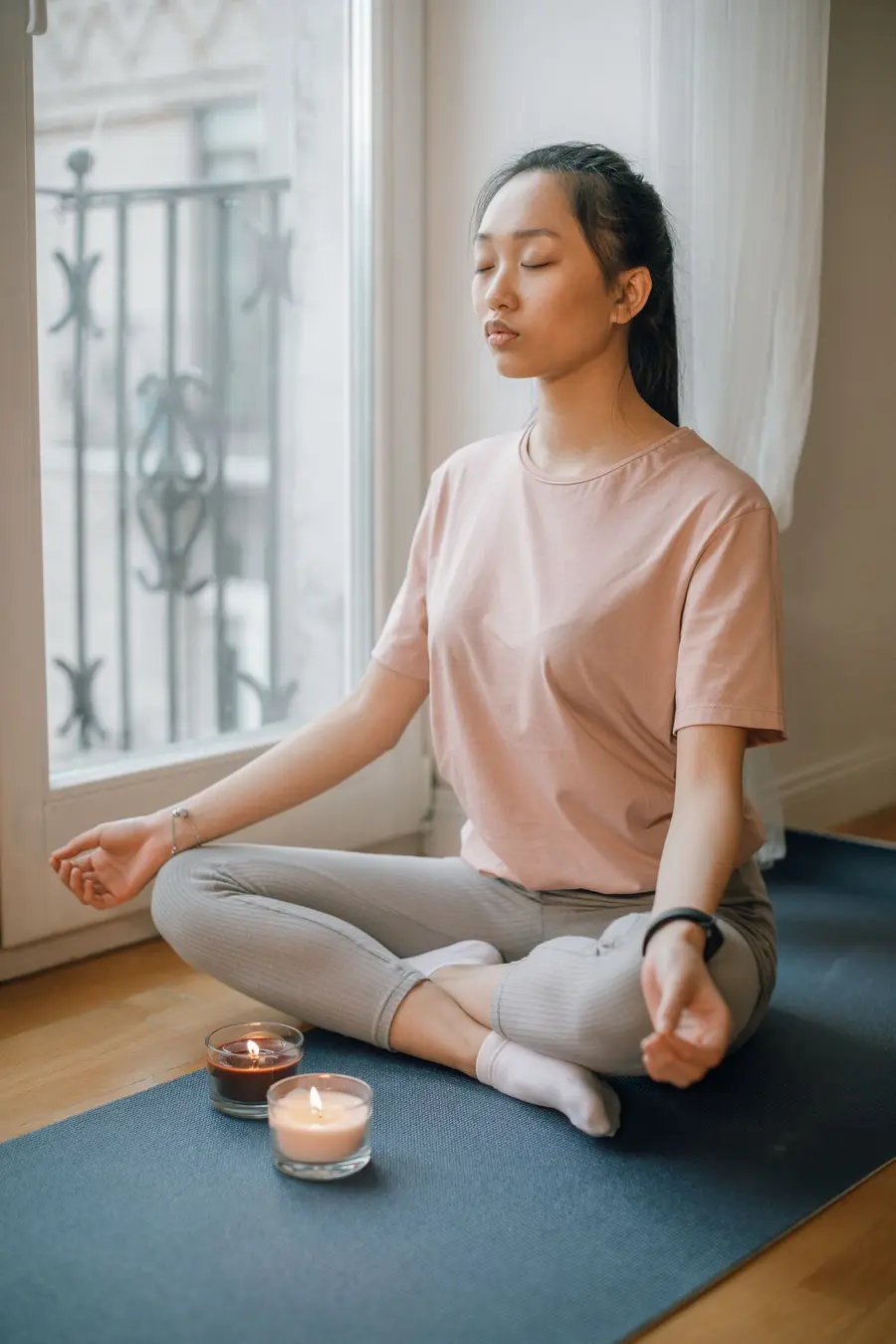
Why Are Younger Generations Choosing Meditation Over Drinks?
The book says leisure spending among younger generations is changing. Rather than turning to alcohol to relieve stress, they are spending money on exercise, saunas and meditation to restore their bodies and minds. The sober-curious movement, in which people try to drink less, is part of the same trend.
The book also points to activity on the ground. Sauna Ship, a social sauna festival held in Seoul’s Hapjeong-dong neighborhood last May, drew attention by combining sauna and cold-water bathing with yoga and meditation. That same month, a two-day bathhouse market in Nonhyeon-dong drew 3,000 visitors.
A similar desire is reflected in a domestic survey. In KB Financial Group’s 2026 Korea Wellness Report, 48.0% of respondents said they needed to slow down, clear their minds and get enough rest, but only 5.2% named meditation, breathing exercises or yoga as recovery activities. The figures suggest that many people want to rest, but few have found a path from that desire to meditation.
Why Morning Meditation Groups at Cafes Could Be an Opportunity
The book notes that small businesses could find new opportunities by adding services that promote recovery to their existing operations. Examples include morning meditation groups at cafes, bathhouses for running clubs, and yoga studios that combine tea with meditation.
The opportunity becomes clearer when viewed alongside other trends named in the book. In an N-mojak commercial district, where the same storefront serves different customers at different times of day, meditation classes could fill the early morning or after-work hours when business is slow. Destinomics—the idea that brick-and-mortar stores should become destinations people go out of their way to visit—points in the same direction. An analysis of payment data cited in the book found that the median monthly sales of destination-based stores, which attract many customers from outside the area, were about 2.2 times those of neighborhood stores. A quiet experience people can only find at a particular shop could be what draws them there.
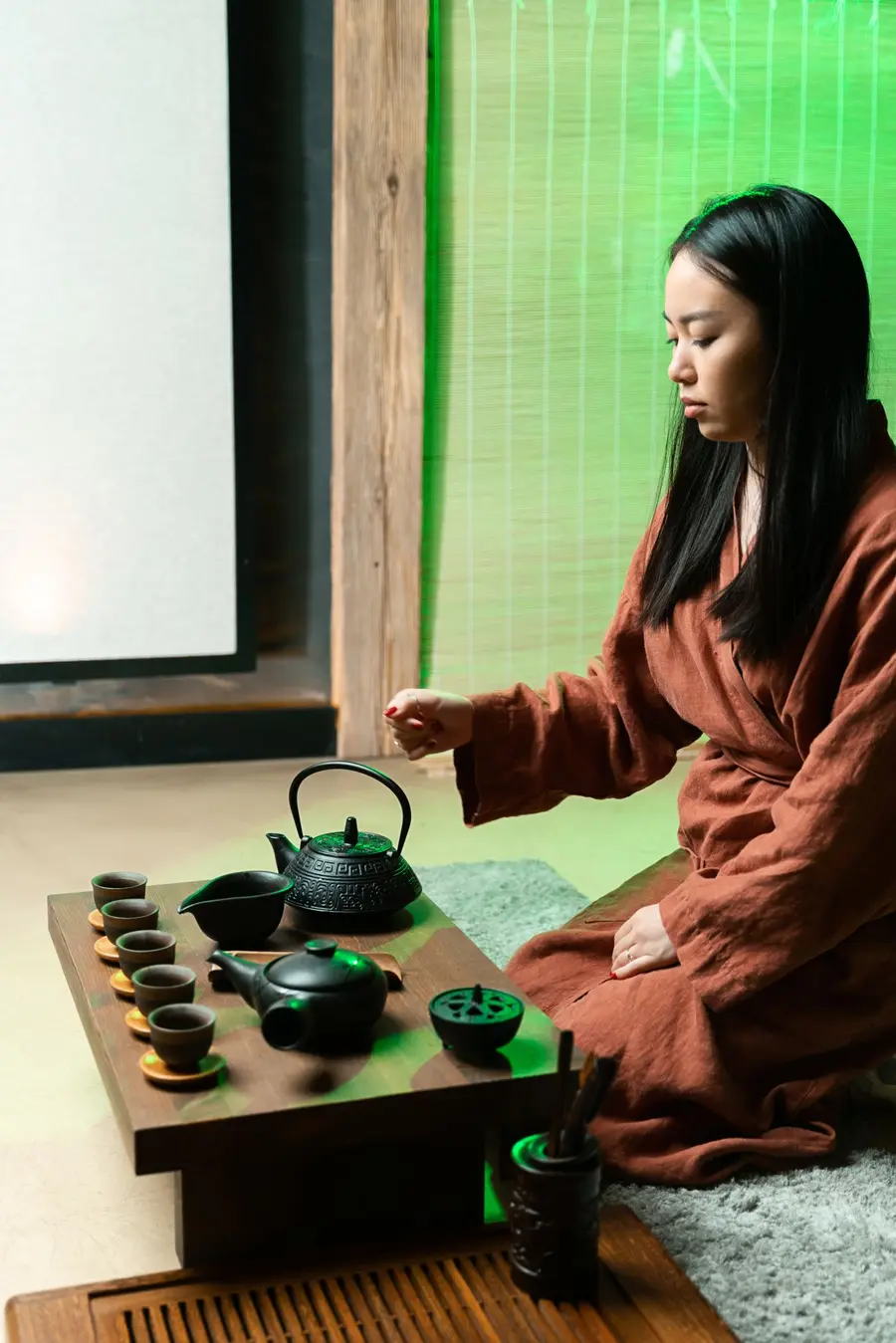
Where to Start If Sitting in Meditation Feels Too Difficult
In an age of constant information, sitting quietly with your eyes closed for a long time can feel like a high barrier for beginners. The rise of recoversumers suggests that everyday spaces can help lower it. Meditations that engage the body and senses can offer an easier starting point: sauna meditation, where you sweat, warm up and then focus on your breathing; yoga meditation, which pairs breathwork with releasing tension in the body; or tea meditation, which centers on the warmth and aroma of a cup of tea.
Those who feel physically worn out might start with yoga meditation, which involves movement. Those with busy minds who have trouble falling asleep might try tea meditation or a short breathing exercise. Finding an approach that works for you is the first step toward making meditation a regular practice.
There is also room for small-business owners with suitable spaces to partner with meditation experts. Bringing meditation into familiar parts of Korean daily life, such as bathhouses and tea ceremonies, could turn neighborhood businesses into destinations for recovery—and serve as a starting point for a new expression of Korean meditation to share with the world.
Contact: fare3041@naver.com