

The sound of a temple bell that has rung for more than 380 years and the vibrations of singing bowls filled the concert hall. Yongheungsa Temple in Damyang and the Damyang Buddhist Association held the 2026 Yongheungsa Temple Mountain Music Festival, “Questions and Answers in the Mountains,” on November 7 at the Damyang Culture Center. The festival, now in its seventh year, drew about 600 people, including monks from local temples, National Assembly member Lee Gae-ho, Damyang County Mayor Park Jong-won, Damyang County Council Chair Jang Myeong-young, Buddhists and residents.
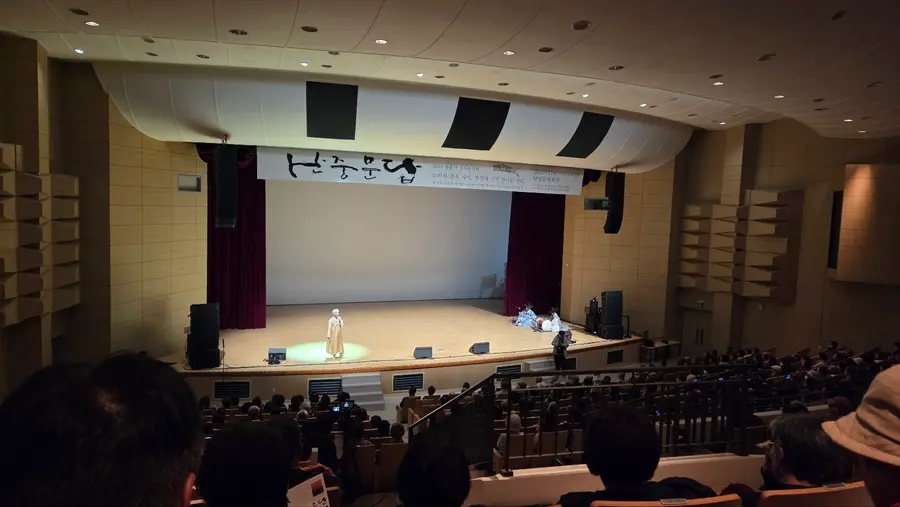
Why audience members closed their eyes during the performance
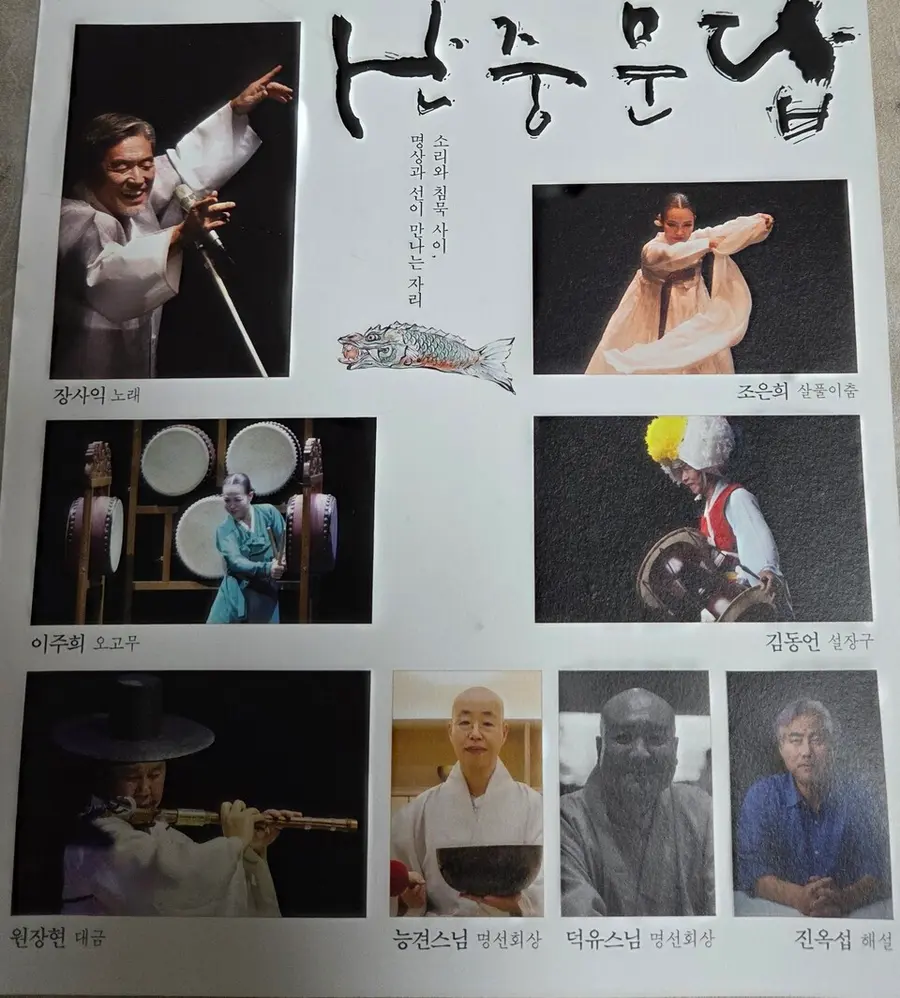
Performers included vocalist Jang Sa-ik, salpuri dancer Jo Eun-hee, five-drum dancer Lee Ju-hee, seoljanggu performer Kim Dong-eon and master daegeum player Won Jang-hyeon. Jin Ok-seop, former president of the Korea Cultural Heritage Foundation, served as commentator, explaining the artistic meaning of the performances and the value of traditional culture.
What set this year’s festival apart was its focus on Buddhist meditation. Audience members who had come to enjoy song and dance also took time during the performance to close their eyes and reflect on themselves.
How to let the sound of a bell cast in 1644 reach your heart
During the Myeongseonhoesang segment, Yongheungsa Temple abbot Ven. Deokyu introduced the temple’s bronze bell, cast in 1644. He said its sound carries the prayers of ancestors who wished for peace in the country and well-being for all living beings. He then invited attendees to set aside their deepest wishes for a moment, focus on the clear bell tones and encounter their true selves.
During the meditation segment, Ven. Neung-gyeon led a singing bowl meditation. Participants calmed their minds by following the gentle, spreading sounds and vibrations.
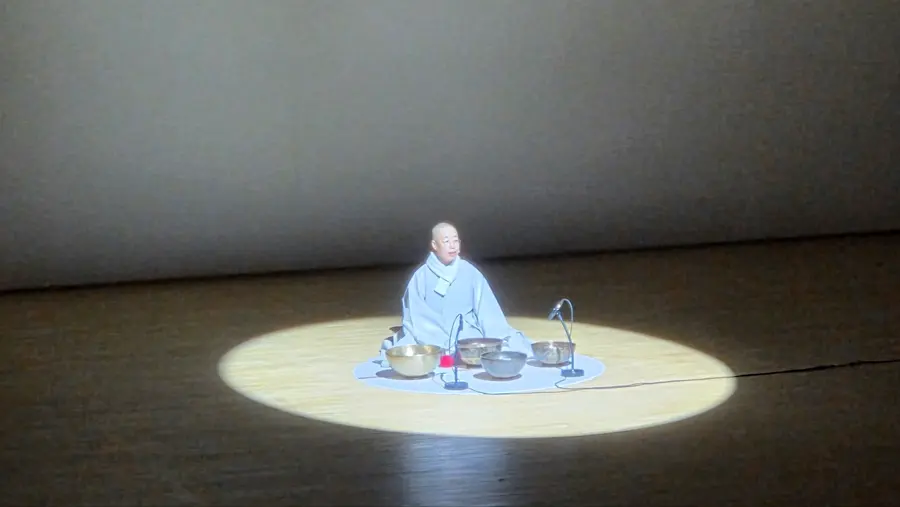
Sound meditation begins not with an instruction to empty the mind, but with an invitation to follow what the ears hear. Even people overwhelmed by information and unsure how to meditate can begin by focusing on a single bell tone or the resonance of a singing bowl.
A mountain temple music festival format new even to Jang Sa-ik
Jang Sa-ik said that although he had performed at many mountain temple music festivals, experiencing music through a monk’s Dharma talk and meditation was a new experience. He added that the event, which brought traditional arts together with Buddhist practice, showed the potential for a new kind of mountain temple music festival.
Damyang County Mayor Park Jong-won said he hoped the event would give county residents a chance to rest and find comfort while helping promote Damyang’s cultural assets. Council Chair Jang Myeong-young thanked Yongheungsa Temple and the Buddhist community for organizing the festival for the peace and harmony of county residents.
The name “Questions and Answers in the Mountains” evokes listening to the sounds of the mountains and finding one’s true self in their resonance. Yongheungsa Temple first brought meditation and traditional arts together last year, and this year expanded the program around the theme of sound and silence. The temple is also one of the sites selected for South Jeolla Province’s Thousand-Year-Old Temples World Meditation Tourism project.
Events like this, where concertgoers naturally experience meditation, are worth watching as one strand of a Korean-style meditation culture that lowers the barrier to getting started. Meditation rooted in familiar elements of Korean culture—music, dance and the sound of temple bells—could offer a welcoming gateway for introducing K-meditation to the world.
Inquiries: fare3041@naver.com