

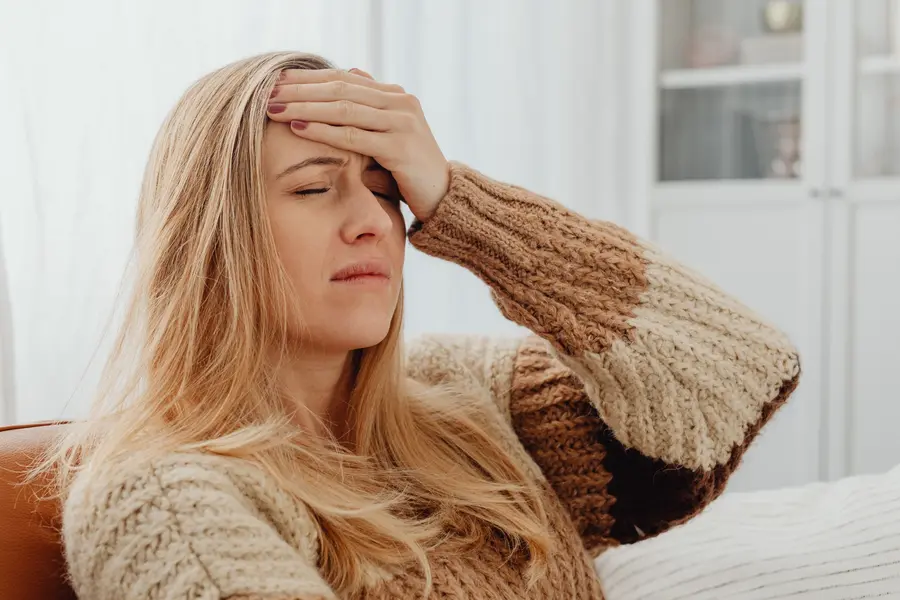
COVID-19 is over, but some people still don’t feel back to normal. They become short of breath after even a little activity, tire quickly, and feel down. This lingering combination of fatigue, shortness of breath, trouble concentrating and mood problems after an infection is known as Long COVID.
Researchers from the Sadhguru Center for a Conscious Planet at Beth Israel Deaconess Medical Center in Boston, Massachusetts, and Harvard Medical School published a study in the medical journal JMIR (Journal of Medical Internet Research) on November 12. Adults with Long COVID followed yoga breathing exercises and meditation at home, using a screen, for three weeks. After three weeks, they reported less fatigue and low mood, and greater energy than those who had waited to start the program.
More Than 700 Sign Up for a 3-Week Online Meditation Course
The researchers had a straightforward reason for launching the trial. Long COVID symptoms can improve and worsen repeatedly, and many patients can’t access multidisciplinary rehabilitation because hospitals are far away or specialists are in short supply. They needed an approach they could use at home, even on days when their bodies felt heavy.
More than 700 people applied or were referred to the study. The trial enrolled 188 adults ages 18 to 70 who had received a Long COVID diagnosis from a physician. Ninety-six began the program right away, while 92 waited three weeks before taking the same program. The researchers compared changes in the group that started first with changes in the group that waited.
Two Breathing Techniques and a 15-Minute Guided Meditation
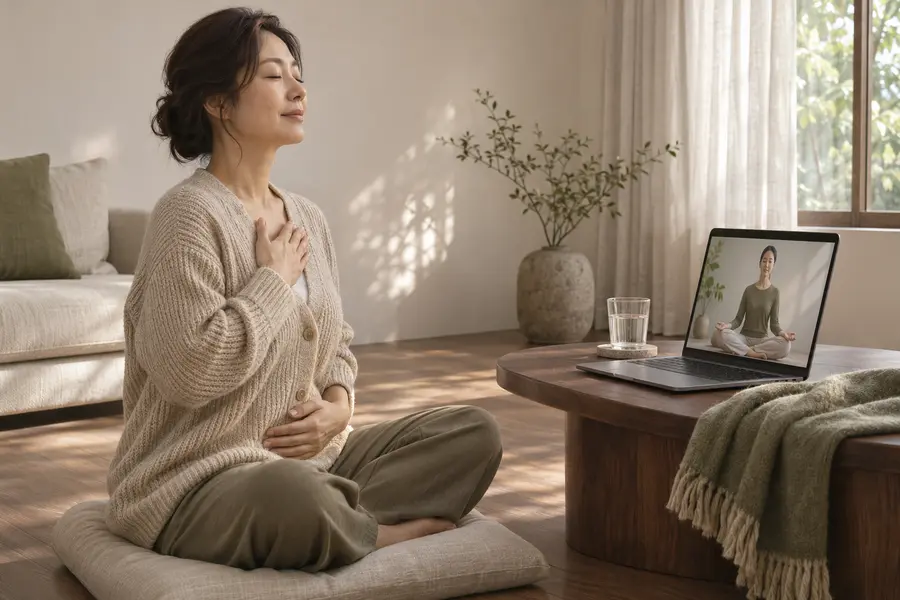
The program, provided by the Isha Foundation, included two yogic breathing techniques—Nadi Shuddhi and Simha Kriya—and Isha Kriya, a guided meditation lasting about 15 minutes. Participants learned the techniques in live online sessions, then practiced on their own each day with video guidance. The goal was to practice at least one of the three techniques on four or more days a week.
Participants could follow along at home with just a screen, without traveling to a hospital. No problems during the practices were reported over the three weeks.
After Three Weeks, Fatigue Fell and Energy Increased
Compared with the group that waited, the group that started the program right away reported less fatigue and fewer feelings of depression and low mood. Positive mood and energy increased. Discomfort in different parts of the body also decreased.
The feeling of shortness of breath, one of the most difficult symptoms for people with Long COVID, also improved. The researchers said the improvement exceeded the threshold considered clinically meaningful. In interviews, participants talked about the difficulties of traveling to hospitals, the encouragement they drew from practicing alongside others on screen, and how the program helped them find the strength to keep going and reconnect with a sense of self.
The researchers concluded that this online breathing meditation program was an accessible approach that people with Long COVID could realistically follow.
When Your Body Feels Heavy, Start With Your Breath
In an age of information overload, staying still and focused for a long meditation can be difficult even for healthy people. It’s harder still for someone whose body is exhausted. This study suggests that the way into meditation can begin with the breath. Breathing is the smallest movement—and a form of meditation the body can practice while lying down or sitting in a chair.
If you tire easily or still feel short of breath after having COVID, you could start this way: Set aside five minutes at a regular time each day to slow your breathing. Make your exhale a little longer than your inhale, and pay attention to the movement of your belly and chest as air flows in and out. If practicing alone is difficult, look for a place to practice with others, such as an online guided meditation video or a breathing meditation class at a local lifelong learning center. As the study participants did, aim to practice a little every day and at least four days a week to make it feel more manageable.
If you are very short of breath or your symptoms persist, it’s best to consult your doctor before starting breathing meditation.
For inquiries about this article: fare3041@naver.com