

The reasons people travel are changing. As more travelers seek trips that leave them well-rested and mentally refreshed rather than packed with sightseeing and dining, hotels are beginning to put meditation spaces front and center. One example is global hotel brand JW Marriott, which has built a dedicated meditation house at the heart of its resort in Costa Rica.
British wellness industry publication Leisure Opportunities reported on November 13 that JW Marriott had unveiled the brand’s first Mindfulness House at JW Marriott Costa Elena Resort & Spa, All-Inclusive, the brand’s first all-inclusive resort.
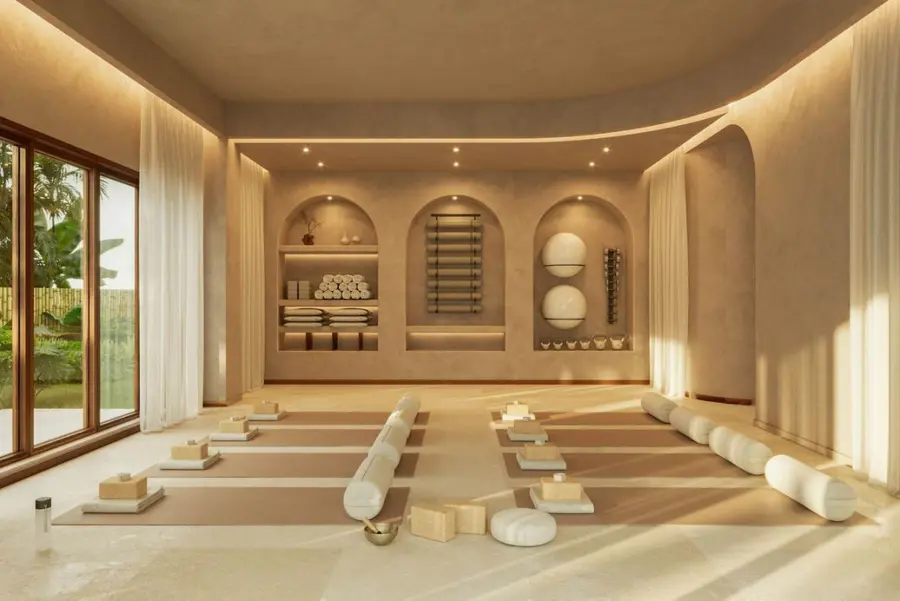
A meditation house at the heart of a 415-room resort
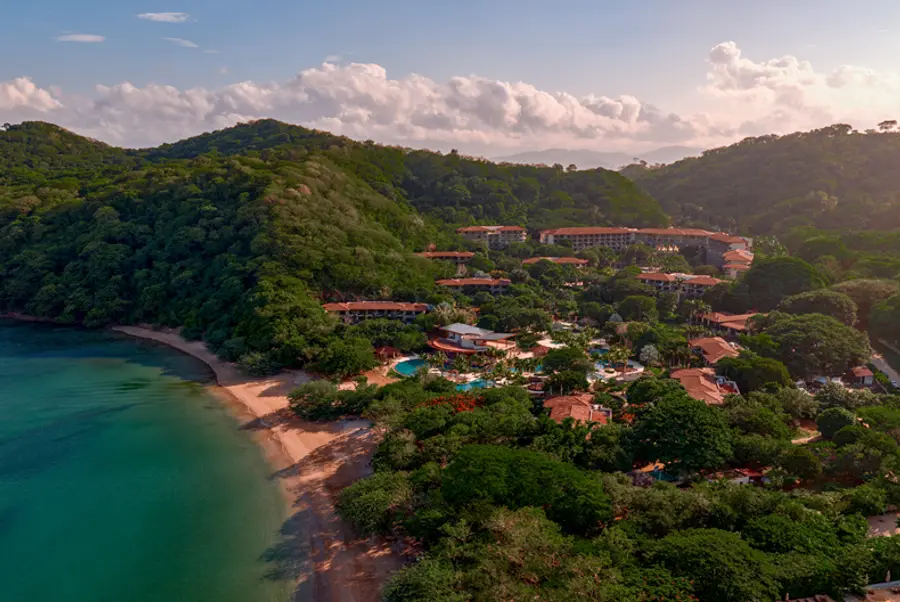
The resort sits on a hill above Playa El Jobo in the Guanacaste region of Costa Rica’s northern Pacific coast. It opened in early October with 415 rooms. In its opening announcement, Marriott described it as JW Marriott’s first all-inclusive resort.
The resort’s wellness area covers about 1,500 square meters (16,000 square feet). Alongside a spa with 10 treatment rooms and a fitness center, the Mindfulness House is one of the area’s main features. Bruce Rohr, JW Marriott’s global brand leader, said the aim was to create an experience rooted not simply in an all-inclusive resort, but in “well-being, being present and meaningful connections.”
Guided meditation and breathing beneath Guanacaste trees
The Mindfulness House is beside an untouched forest, beneath the shade of Guanacaste trees, native to Costa Rica. Designed to connect indoor and outdoor spaces, it offers both an open area for gathering and quiet spaces for solitary reflection.
Programs here include guided meditation, mindful breathing, sound healing, Reiki, cacao ceremonies and self-guided mindfulness. The resort’s wellness concept draws on Sibú, a figure in the traditions of Costa Rica’s Indigenous Bribri and Cabécar peoples who symbolizes creation and harmony.
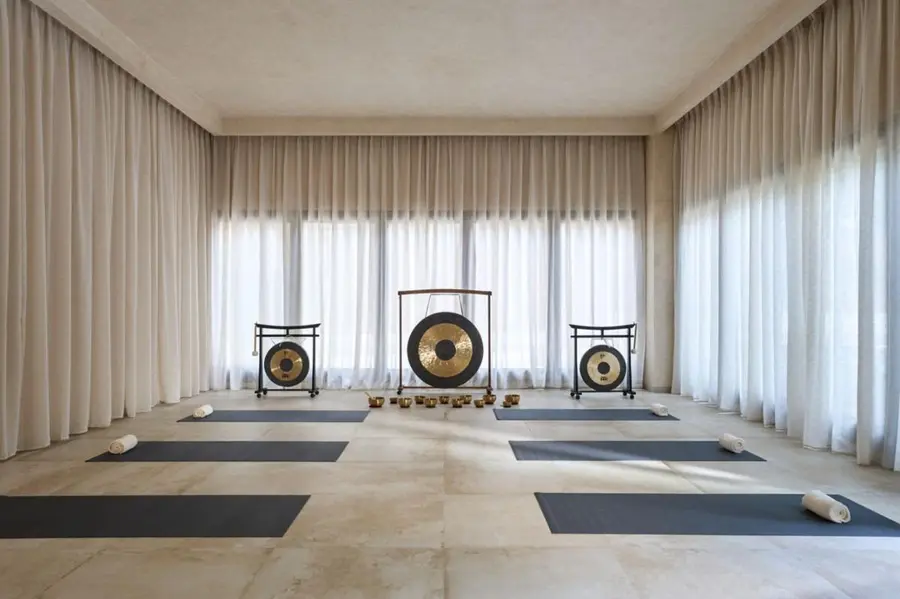
Sound meditation with the beach and forest as your soundtrack
One notable feature of the resort’s meditation program is its use of nature itself as a meditation tool. Spa manager Grettel Era told wellness publication Spa Business that sound journeys take place throughout the resort, drawing on the sounds of the beach, gardens and forest trails, as well as the natural sounds of Guanacaste and the Pacific coast. The program also includes forest yoga, barefoot walks among native plants and rituals for setting an intention for the day.
It’s welcome to see that meditation doesn’t require elaborate equipment. Listening to the waves and walking barefoot on the earth are things you can try at any destination, not just at this resort.
Three kinds of meditation to try on your next trip
First, when choosing where to stay, look beyond room size and check whether the property has a meditation space, morning yoga or meditation programs. There are plenty of options in South Korea, too, from wellness lodgings with meditation rooms to temple stays at Buddhist monasteries.
Next, try sound meditation. In the morning, open a window or stand by the beach or on a forest trail, and spend 10 minutes noticing each sound you hear. Follow the sounds from far away to nearby, one by one, and your thoughts may naturally begin to settle.
Finally, try walking meditation. In a safe place, such as beach sand or a forest trail, walk slowly and focus on the sensations beneath your feet. For people who find it difficult to sit with their eyes closed for long, a moving meditation can be an easier way in.
The trend of hotels putting meditation at the center of their offerings signals that meditation is no longer reserved for dedicated practitioners; it has become an experience travelers seek as part of everyday life. South Korea’s mountain temples, forests and coastlines can also serve as settings for meditative travel. This may be one way for Korean meditation to reach travelers around the world.
For inquiries: fare3041@naver.com