

Retreats—getaways that offer a chance to pause daily life—have become the top wellness spending priority for U.S. travelers. BookRetreats, a retreat booking platform, said its State of Retreats 2026 report, updated October 16, found that 49% of the 1,040 U.S. travelers surveyed who were interested in retreat travel planned to spend money on a retreat in the next 12 months. That was higher than the shares planning to spend on spa and wellness treatments (45%) or supplements and vitamins (44%). Interest in meditation retreats rose 44% from a year earlier, the report said.

64% of respondents have already made plans—but the survey asked only people interested in retreats
Before looking at the numbers, it’s worth noting the nature of the survey. The report was based on the booking company’s own search and reservation data, as well as an online survey it conducted. The survey ran from December 2025 through January 2026 and included U.S. adults ages 18 and older who were interested in retreat travel and made travel decisions for their households. These are not the views of Americans as a whole, but responses from people already interested in retreats—and the findings were published by an industry company. Those points should be kept in mind when reading the report.
With that caveat, the trend is clear. Sixty-four percent of respondents had already booked a retreat for this year. By generation, 73% of Gen X, 68% of Gen Z and 66% of millennials said they planned to go on a retreat in the next 12 months. Among planned wellness expenses, retreats led at 49%, followed by spa and wellness treatments and supplements. Gym and fitness studio memberships came in at 36%, while counseling and therapy were at 34%. Wellness devices and app subscriptions trailed at 14% and 12%, respectively. More respondents said they planned to spend on an in-person experience that takes them somewhere than on services accessed through a screen.
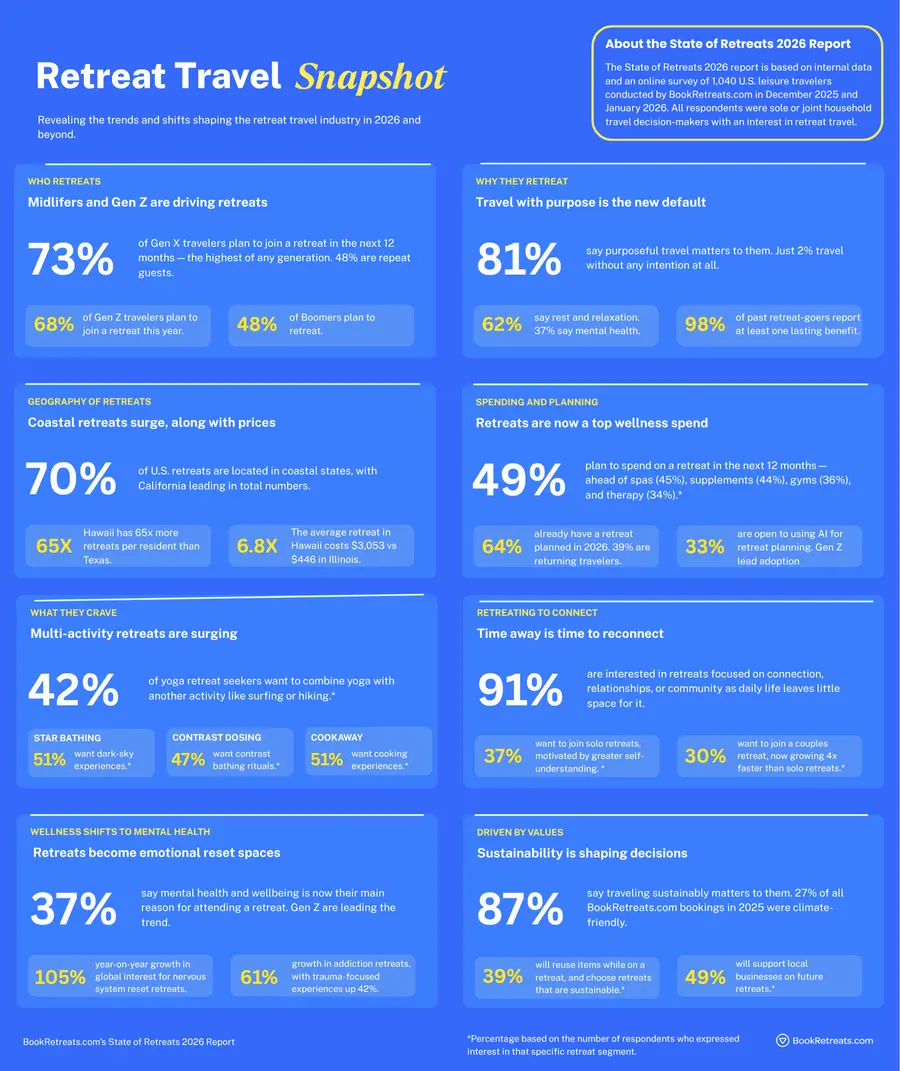
62% want to rest, 35% seek burnout recovery; interest in body-based retreats more than doubled
The report also explored why people seek out retreats. Rest and relaxation topped the list at 62%, followed by mental health and well-being at 37%, recovery from accumulated stress and burnout at 35%, and physical health and fitness at 17%. Another 25% said they wanted to reconnect with nature.
Meditation is taking center stage in travel. One in four U.S. travelers said meditation was a must while traveling, and 32% said they set aside time to meditate wherever they are. Among travelers interested in meditation, 57% said that if they meditated away from home, they would choose a retreat over any other setting. Fifty-nine percent of Gen Z respondents said meditation was important when they travel.
One notable finding was the growth of programs focused on the body. According to the report, interest in nervous system reset retreats, which focus on calming the nervous system, has risen 105% since 2023. Somatic therapy, which uses bodily sensations to release tension, climbed 141% over the same period, making it the fastest-growing wellness program. Sound healing was up 86%. Among people looking for yoga retreats, 42% said they wanted to pair yoga with another activity, such as surfing or hiking. The figures suggest demand is shifting toward meditation that involves moving and sensing through the body, rather than practices focused on managing thoughts through the mind.
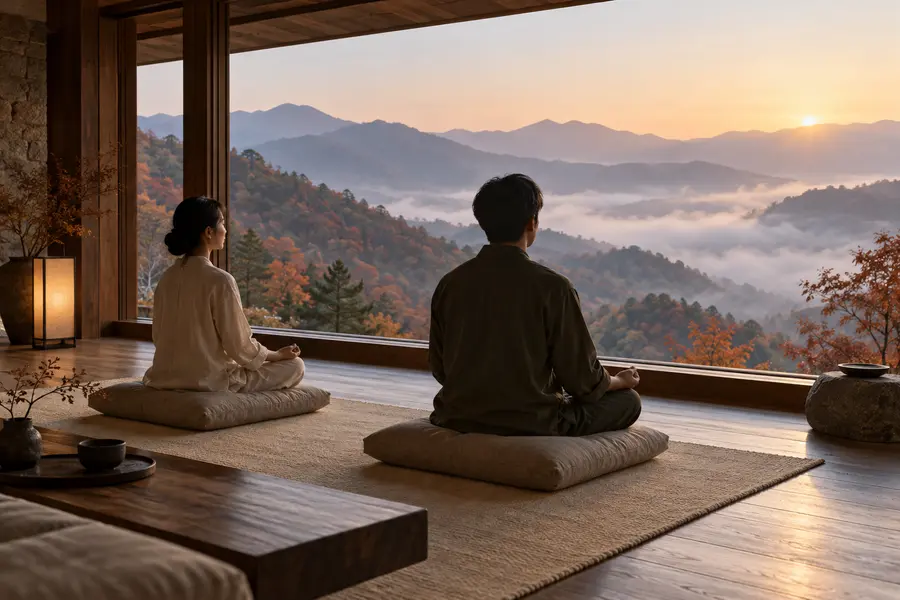
People seek silence even without a religious affiliation, bringing more visitors to U.S. retreat centers
The trend extends beyond industry reports. In September last year, leaders from Buddhist, Christian, Jain and Jewish traditions told The Washington Post they were seeing more people seek out silent retreats, according to a summary by Religion Watch, a publication covering religious trends at Baylor University. Many visitors had no specific religious affiliation. Leaders cited the upheaval left by COVID-19, fatigue with technology and grief over loss.
When Drala Mountain Center, a Tibetan Buddhist retreat center in Colorado, surveyed its members, 46% (108 people) said they wanted a silent retreat. At a Benedictine community of nuns in Erie, Pennsylvania, which has offered silent retreats since the 1980s, attendance rose to 29 in August from the usual 15 or so, with more younger participants. Many welcomed the absence of internet and television. One nun said the change reflected a longing for silence and reflection.
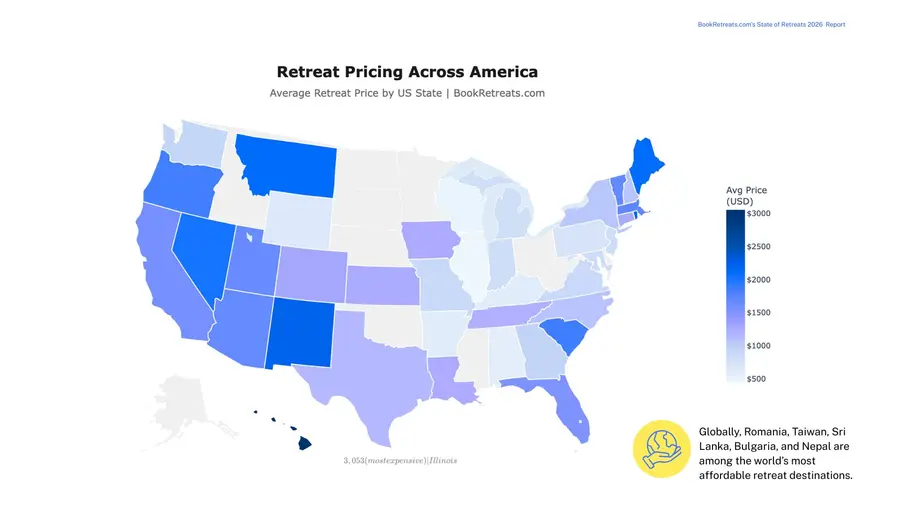
One in four bookings is for a climate-friendly retreat; prices vary nearly sevenfold by location
BookRetreats said climate-friendly retreats accounted for 27% of its bookings in 2025, up 22% from 2024. Eighty-seven percent of respondents said sustainable travel was important, and 81% said traveling with a purpose mattered to them.
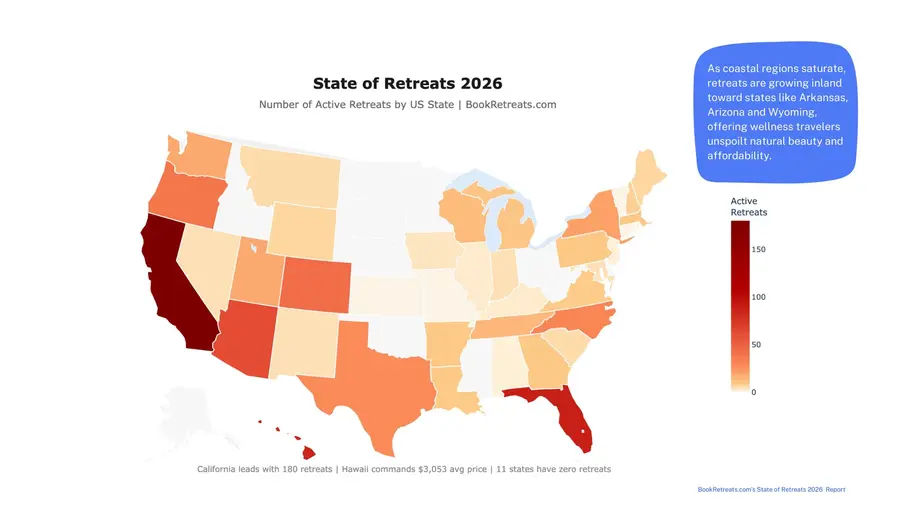
Prices also varied widely. Among U.S. states, Hawaii had the highest average retreat price at $3,053, while Illinois had the lowest at $446—a 6.8-fold difference. In some places, prices stayed around $500, including Wisconsin at $497 and Alabama at $591. In other words, getting away to rest doesn’t have to mean going somewhere expensive.
A night at a mountain temple or in the forest: How Korean readers can find a retreat that suits them
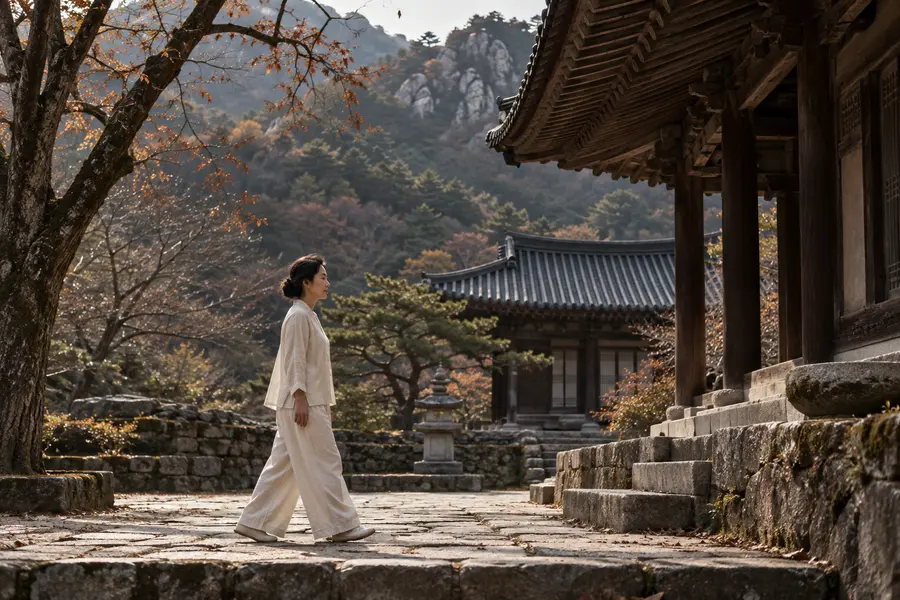
The experiences U.S. travelers are paying to seek out are also close at hand in Korea. Temple stays, which offer an overnight visit to a mountain temple; forest programs at national forest therapy centers; and multi-day intensive courses at meditation centers are all forms of retreats. As Healing News recently reported in its coverage of November temple stays and forest hammock meditation, many options are within reach without a major expense or a long flight. The quiet of a day at a Korean mountain temple is also open to international travelers and could help bring K-meditation to the world.
The right retreat depends on the person. Some find comfort in silent retreats, where they put down their phones and spend time without speaking; others find sitting still for long periods difficult. If you want to give an information-weary mind a break, it may be easier to start with a program that combines physical activities, such as walking meditation, yoga or forest walks. Before choosing a retreat, it can help to check how the schedule balances seated and moving meditation, what the rules are for phone use, and what experience the instructor has. Retreats offer time to care for body and mind, but they are not a substitute for treatment. If depression or anxiety is making daily life difficult, consult a professional first.
Press inquiries: fare3041@naver.com