

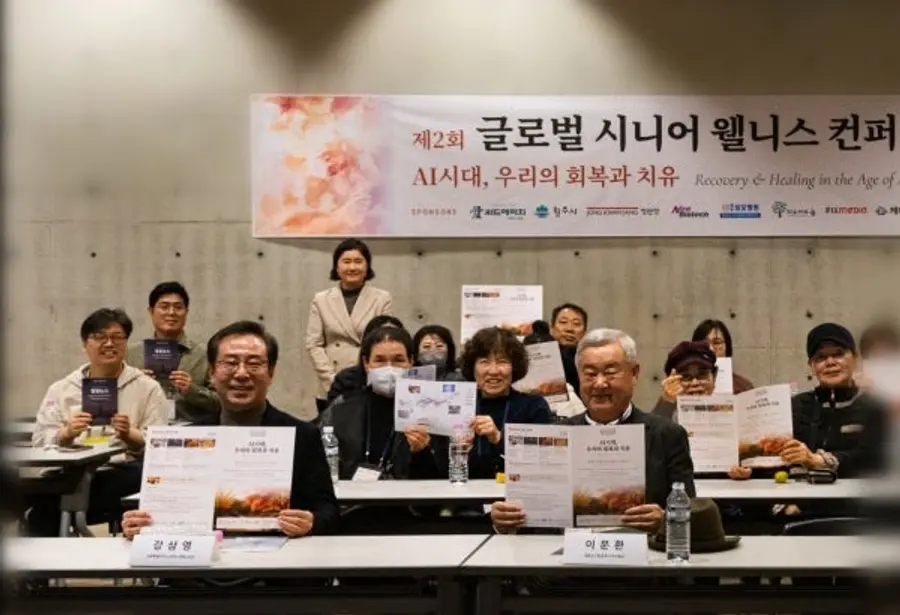
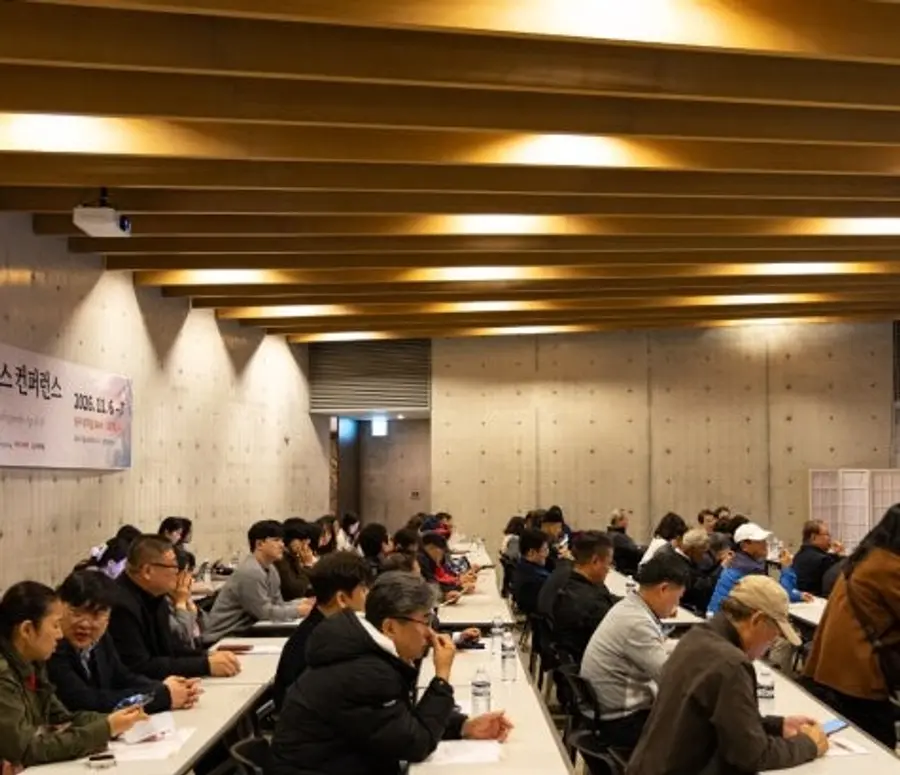
In an age when AI can read health data and even recommend exercises, who should take responsibility for restoring body and mind? The 2nd Global Senior Wellness Conference, held November 6 and 7 at Museum SAN and around Oak Valley in Wonju, Gangwon State, looked for the answer in each participant’s own body. Hosted by Third Age, led by CEO Bolam Yi, and supported by Wonju City, the event brought together about 100 people, including middle-aged adults preparing for later life and professionals in health care, long-term care, food and wellness. Its theme was “In the Age of AI: Our Recovery and Healing.”
The audience included not only older adults but also their children and grandchildren. After the event, Yi said that even among people who heard the same talk, some would have thought about their own health, others about their parents, and still others about the long lives ahead of them. She said the conference had reminded her that the generations share a desire to live long and stay healthy.
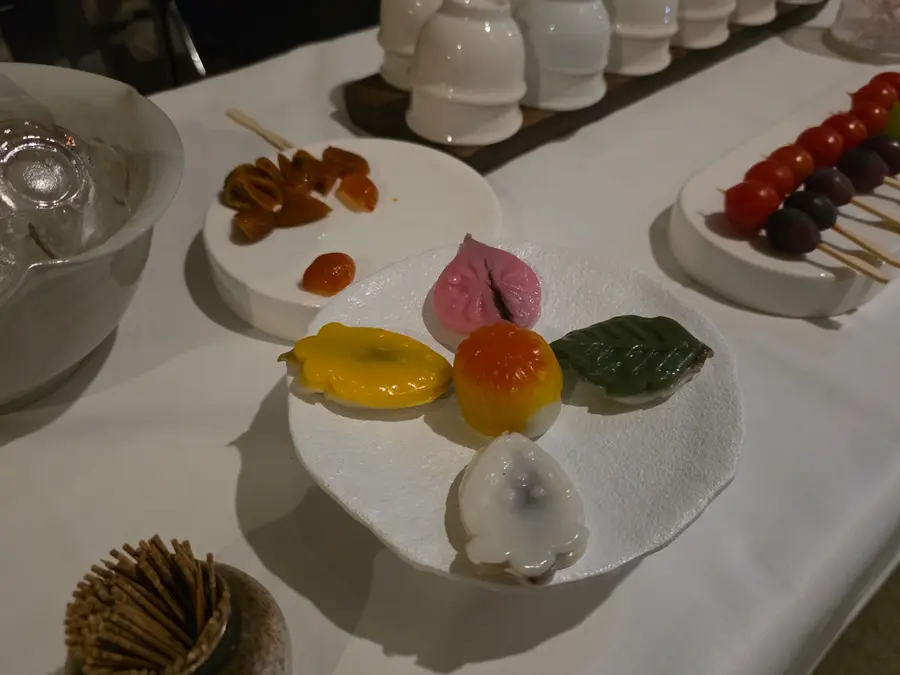
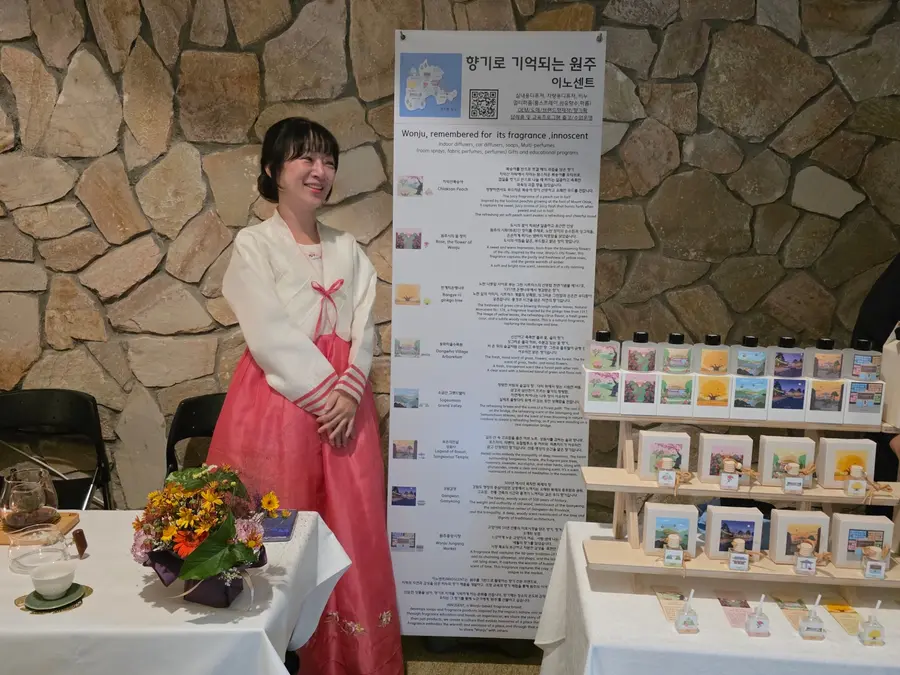
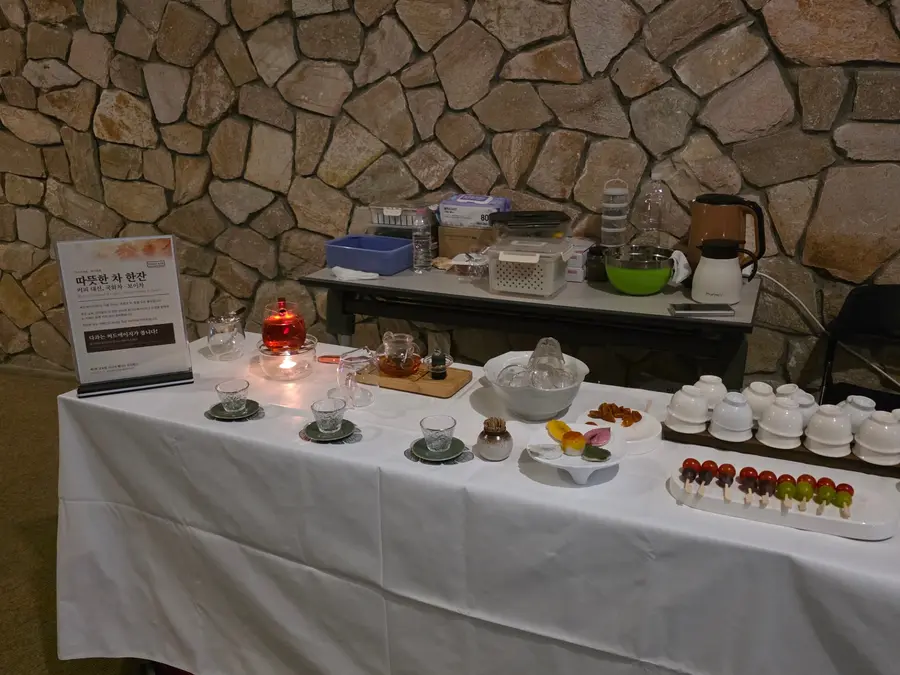
In front of the conference venue at Museum SAN, a Wonju tea brand served a variety of teas in warm, beautiful colors and pretty rice cakes, helping participants feel at ease.
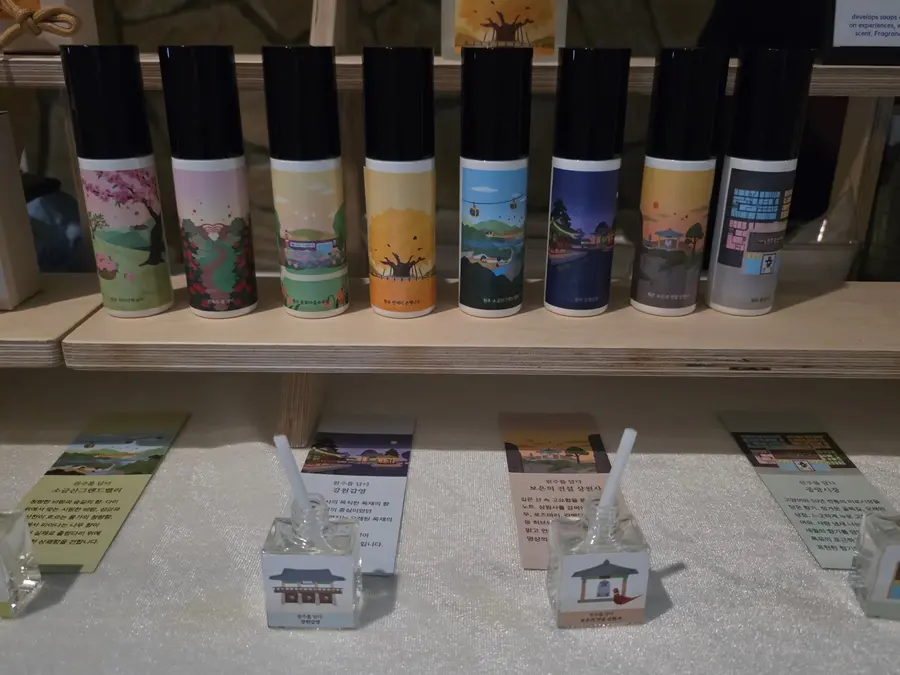
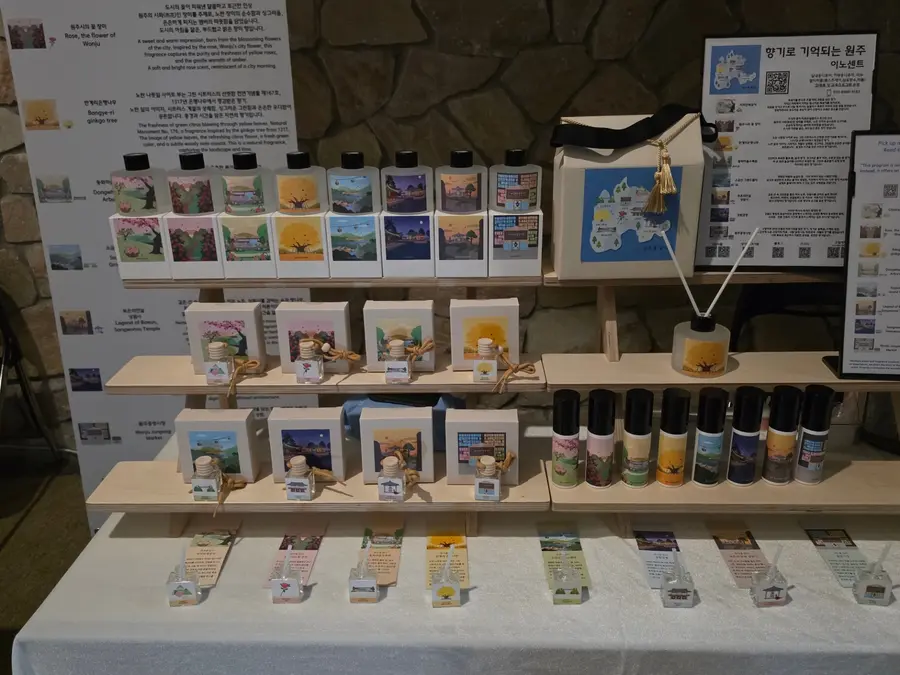
How a Love for Wonju Became a Conference
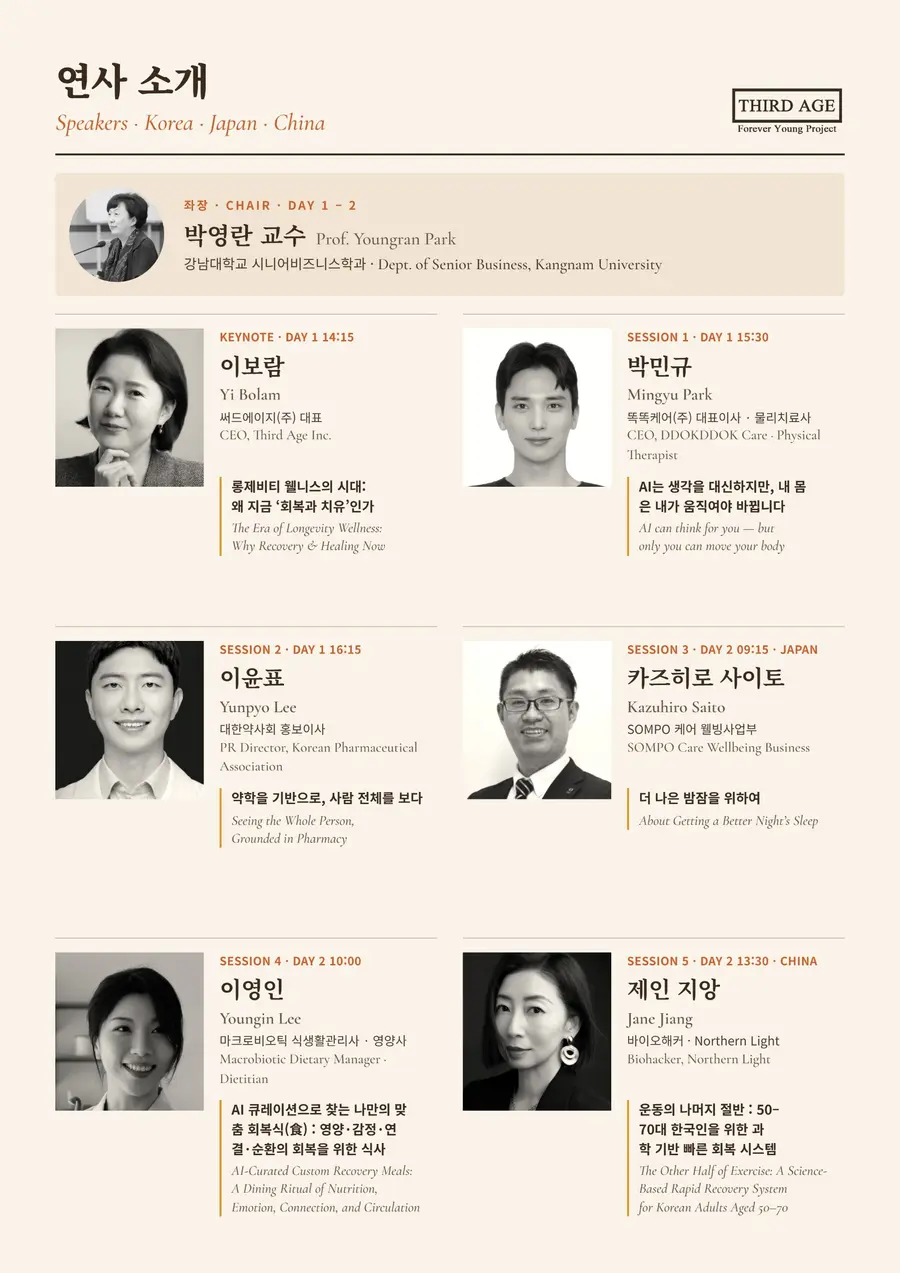
Wellness experts from South Korea, Japan and China took the stage at this year’s event.
Yi said she continues to organize the conference to bring new energy to Wonju, a rapidly aging city, and to consider together how people can live healthier, happier lives. In her keynote address, she said there is a 17-year gap between life expectancy and healthy life expectancy in South Korea, and that narrowing this gap is the goal. As anti-aging shifts toward managing everyday recovery before illness sets in, she stressed the need to build health intelligence (HQ)—the ability to take care of one’s own health.
Why One Speaker Advised Taking Fewer Medications, Not More
Over the two days, speakers explored recovery through movement, sleep, medication and nutrition. Park Min-gyu, a physical therapy Ph.D. and CEO of Smart Care, recommended fitting in 10 to 15 minutes of movement after meals and led participants in practical exercises they could do while seated. His message: even as AI advances, protecting your health still means moving your body yourself.
Lee Yun-pyo, public relations director of the Korean Pharmaceutical Association, noted that 1.18 million people aged 65 and older take 10 or more medications every day. He stressed the importance of medication management that reduces unnecessary drugs rather than adding more. He urged participants to use AI to summarize medication information, but not for diagnoses or decisions to stop taking medication on their own.
Kazuhiro Saito of Japan’s SOMPO Care suggested viewing older adults not as recipients of care, but as seniors with life experience. Rather than relying on sleeping pills, he recommended establishing a daily rhythm through daylight, exercise and body temperature, and introduced proactive care using noncontact sleep monitors. He also said SOMPO Care continues to provide training in care technology and consulting on facility operations to Korean companies.
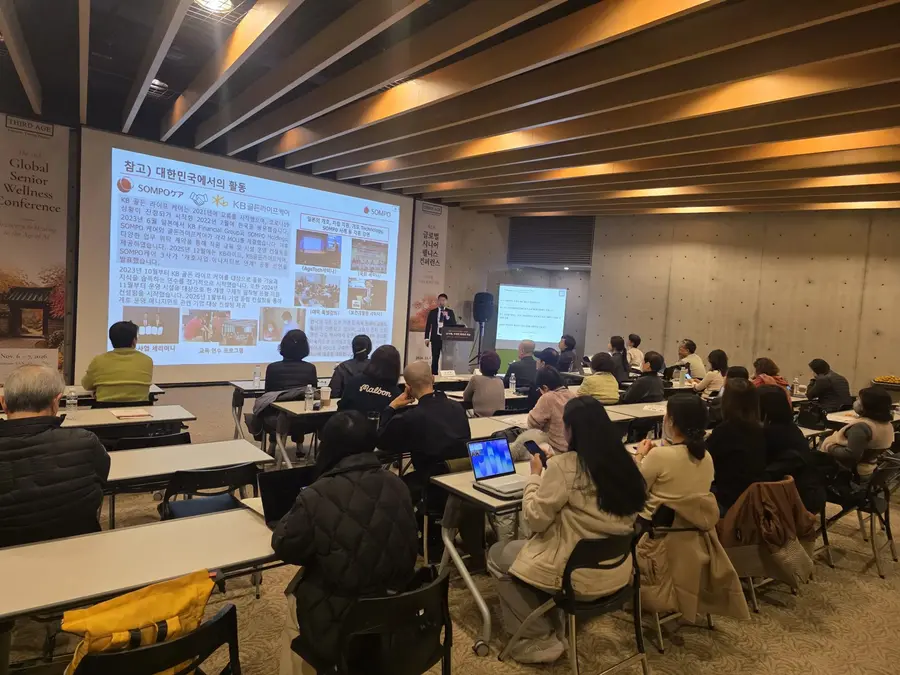
Why Recovery Meals Need More Than Nutrition
Lee Young-in, a macrobiotic dietary consultant and nutritionist, presented a personalized approach to recovery meals using AI curation, exploring recovery food through four dimensions: nutrition, emotion, connection and circulation. Nutrition refers to nutrients the body needs and eating habits; emotion to mindfulness and comfort; connection to relationships built by sharing meals; and circulation to a connection with nature through seasonal ingredients and local food.
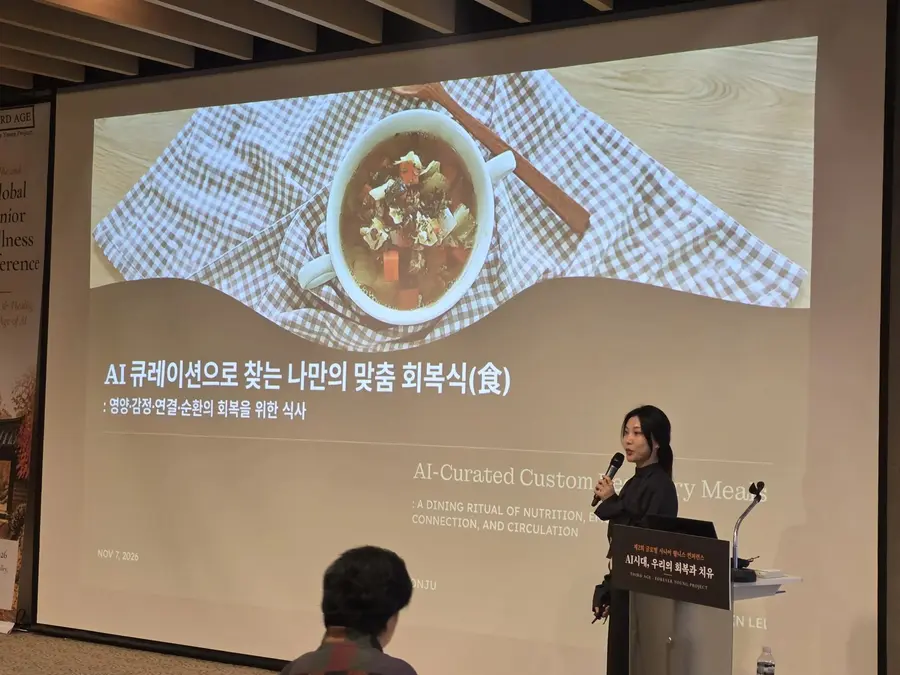
For the emotional dimension, she introduced mindful eating: noticing the taste, aroma and sensation of chewing while eating. For connection, she pointed to Korea’s dining culture of setting and sharing a table together, as with the temple cuisine of Jingwansa. She also suggested preparing a meal just for yourself. One practical tip was to get 1.0–1.5 grams of protein per kilogram of body weight to help prevent muscle loss.
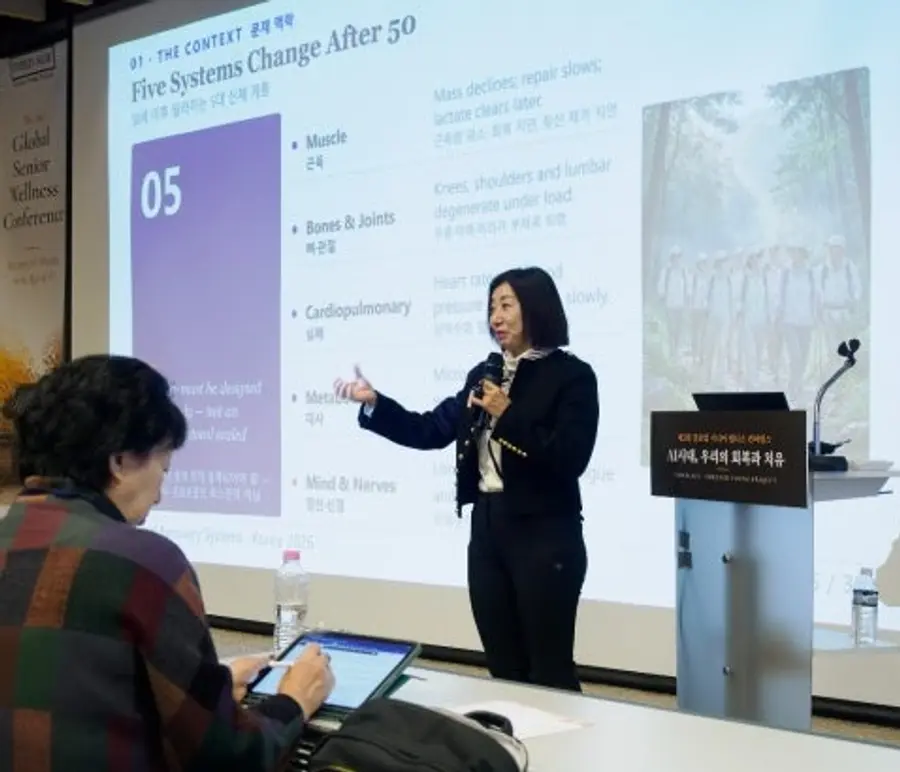
Jane Zhang, a Chinese biohacker and CEO of Northern Light, described the hour after exercise as a golden window for recovery and introduced exercise methods tailored to heart-rate zones along with recovery strategies. Participants agreed that recovery is not achieved through one method alone, but is a process in which movement, sleep, meals and emotional care work together in balance. Zhang also named kimchi and doenjang jjigae as her favorite foods, expressing a special fondness for Korean food and saying it plays a key role in taking a shortcut to good health.
Why the Superintendent Wanted Teenagers to Take Part, Too
On the second day, Kang Sam-young, superintendent of education for Gangwon State, visited the venue, sat alongside participants and stayed through Jane Zhang’s entire talk. In his congratulatory remarks, Kang said that aging healthily means more than living a long time: it means maintaining physical and mental health while sustaining meaning and vitality in life. He also urged organizers to create opportunities for teenagers to join adults as they meditate, exercise and take time to recover.
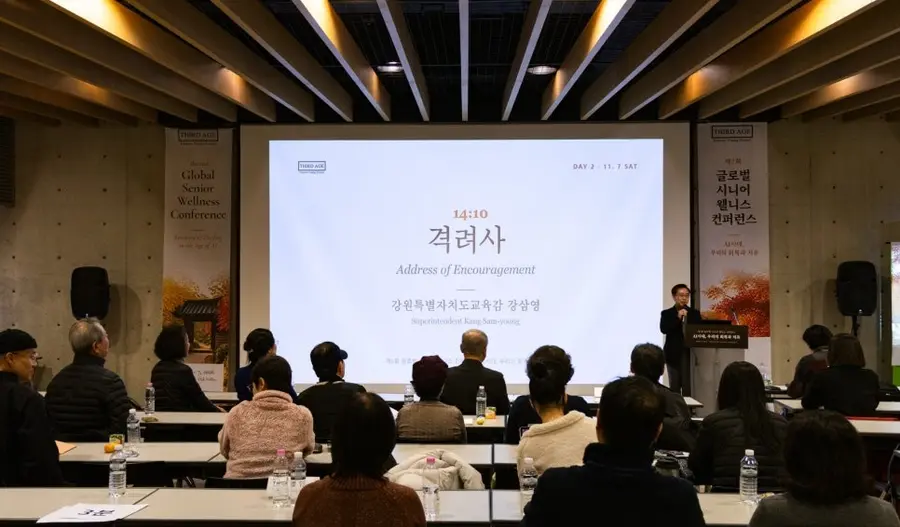
Third Age said it would take up Kang’s suggestion and make next year’s conference an intergenerational event involving students and teachers. The 3rd conference is planned to cover women’s healthy life expectancy and menopause, skin and muscle metabolic health, and longevity retreats rooted in local communities. The company also outlined plans to establish a Gangwon-style wellness living lab based in Wonju, linking AI and wellness with tourism and healthy longevity, and to broaden collaboration with companies, institutions and experts in South Korea and abroad.
“AI can help manage our health, but I am the one who has to put that help into practice in everyday life,” Yi said. “The event is over, but our recovery continues in our daily lives.”
Between the morning and afternoon sessions, participants viewed the outdoor sculptures and toured works by artist Park Re-hyun on display at Museum SAN. They also tried a singing bowl session in the meditation hall, one of the venue’s most popular spots. The sight of natural sunlight crossing the space through long, narrow windows stayed with me.
The striking venue, insights from the wellness talks and autumn scenery among the sculptures seemed to leave a deep impression on participants. At the same time, it was regrettable that so many people could not enjoy the event because of the limited promotional budgets that small startups inevitably face.
I hope that next year the conference reaches more people, secures greater support and establishes itself as a more comprehensive senior wellness event.
For article inquiries: fare3041@naver.com