

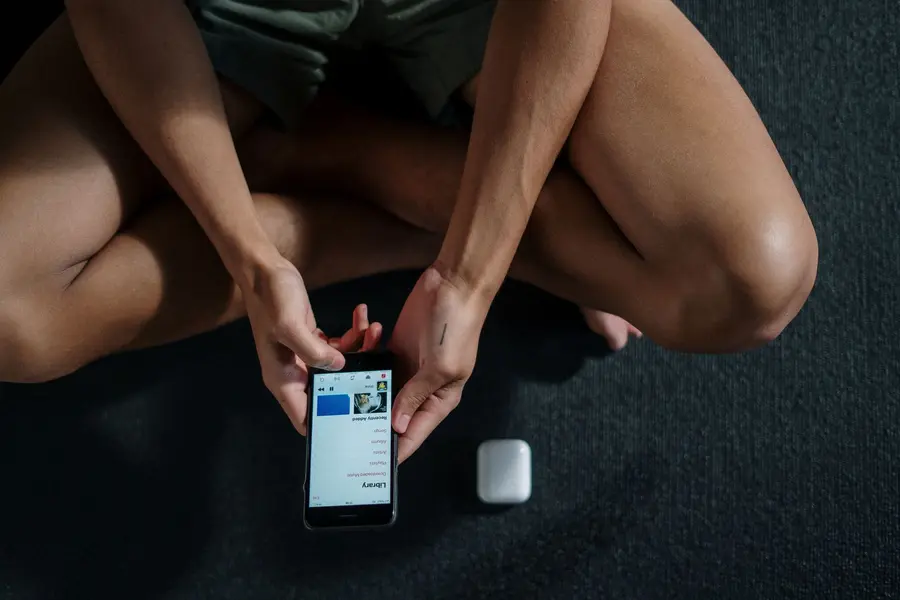
The global wellness market has grown to $2.7 trillion, and more people are turning to AI with questions about meditation and mindfulness. According to Future of Wellness 2027, a report released Nov. 3 by global consulting firm McKinsey, 38% of U.S. consumers who have used AI for health and wellness have turned to it for meditation and mindfulness. That was the third most common use, after product and brand recommendations (46%) and review summaries (42%).
Around the same time, international wellness publication Destination Deluxe identified 15 wellness trends for 2027, including retreats devoted to doing nothing, learning to rest again instead of chasing sleep scores, and a return to offline living. Wellness, once focused on measuring and managing everything, is now shifting toward measuring less and resting more.
How many people are turning to AI for meditation?
McKinsey surveyed more than 10,000 consumers in four countries this year: China, Germany, the United Kingdom and the United States. Consumers ranked health and wellness as their top life priority after family, and two-thirds of U.S. consumers said they were paying more attention to wellness than they had a year earlier. More than half of those surveyed were using AI to manage their health.
Among uses of AI for mental health and sleep, meditation and mindfulness topped the list (38%), followed by sleep tracking and checking scores (33%), tips for improving sleep (33%), and conversations about their feelings (23%). But consumers did not trust AI outright. Forty percent of U.S. consumers worried that AI health advice could be inaccurate, and when choosing wellness products, they were far more influenced by family and friends (35%) and health care professionals (30%) than by AI chatbots (8%).
AI is becoming a gateway to learning about meditation and getting guidance, but people still rely on what they hear and experience from others when deciding what to choose and practice.
People held back by stress are also seeking ways to care for their minds
One notable change is among people who have put off taking care of their health because of stress or a lack of motivation. In this group, which McKinsey classifies as “health strugglers,” the share who said wellness was a priority nearly doubled, rising from 13% in 2024 to 24% this year. Among baby boomers, the share rose 11 percentage points to 49%.
Unmet needs were also clear. About 40% of respondents worldwide said current wellness products and services still fall short in the areas of longevity, mental health and mobility. Younger people, in particular, are wary of excessive optimization and are seeking activities that help them unplug from devices and stay present. Even for activities that have yet to catch on widely, such as sound baths, more than 60% of U.S. consumers said they expected to do them as often as or more often than they do now next year.

Why are retreats clearing their schedules for 2027?
The first trend identified by Destination Deluxe is the luxury of doing nothing. It reflects a growing realization that retreats packed with sunrise yoga, breathwork, cold plunges, nutrition consultations and evening meditation can leave people more exhausted than everyday life does. Some wellness resorts are letting guests choose activities based on how they feel that day instead of following a set schedule, and making plenty of time for reading or walking in nature without a guide.
Sleep is shifting in the same direction. Researchers call it orthosomnia when people track REM sleep, deep sleep and heart rates every day and end up worrying more about sleep. Instead of chasing perfect numbers, the focus is shifting to creating conditions that make it easier to fall asleep naturally, such as a regular routine, appropriate lighting and a comfortable bedroom.
A return to offline living is another trend. Time spent reading print books, writing by hand and walking without earbuds—along with phone-free spaces and experiences centered on conversation—is emerging as a new form of leisure. Other trends include moving beyond calming techniques such as breathwork to explore the roots of recurring emotional responses, and building wellness communities that meet regularly rather than gathering for one-off events.

What meditation teachers and centers should take note of
Taken together, the two reports offer several signals for the meditation field. First, AI is becoming a gateway to meditation. People ask AI about meditation methods and get guidance, but they trust family, friends and experts more when deciding what to choose. What AI cannot easily replace is a teacher’s experience guiding people in person and offering feedback along the way.
Explaining the benefits has also become important. In McKinsey’s survey, effectiveness (44%) tied with price (44%) as the top factor U.S. consumers considered when choosing wellness products and services. Meditation programs can earn trust by clearly and honestly explaining what participants can expect and what evidence and experience their methods draw on.
It is also worth noting that people who have found it hard to even get started because of stress are beginning to show interest in caring for their minds. For them, a short, low-pressure first meditation can open the door more readily than a lengthy practice. Retreats are moving toward leaving room to rest and linger rather than packing schedules, while classes are shifting toward caring for what people feel in the present moment rather than scores and records.
Finally, there is strength in practicing together. The trend toward wellness as a new social space, with relationships that continue after retreats, underscores the value of meditation groups and practice communities. Creating opportunities for people to practice together regularly, beyond meditating alone, may be the next challenge for the meditation field.
For inquiries: fare3041@naver.com