

Koreans get 1 hour and 24 minutes less sleep a day than they think they need, and one in two lives with fatigue that persists even after getting enough rest. Most agree that mental health is central to wellness, but only one in four has made an effort to care for their mental well-being in the past year. Just 5.2% said they turn to meditation, breathing exercises or yoga to restore their tired bodies and minds.
Those are findings from the 2026 Korea Wellness Report, published Oct. 25 by the KB Financial Group Management Research Institute. The institute surveyed 2,000 economically independent people ages 25 to 69 from July 21 to Aug. 5.
If mental health matters, why aren’t people taking care of it?
Some 90.7% of respondents identified mental health as a component of wellness, more than the 87.1% who cited physical health. But when asked what they had done for their wellness in the past year, respondents most often cited managing their diets and taking dietary supplements (66.6%) and exercising (63.9%). Caring for their mental well-being ranked near the bottom, at 26.3%. Exercise was also the activity respondents most wanted to do more of (71.7%), while mental self-care was the least popular (26.7%).
Fatigue has become part of daily life. Nearly half of respondents (49.9%) said they had experienced fatigue in the past month that didn’t go away even after sufficient rest. The figure was highest among people in their 40s, at 59.4%. The main reasons respondents gave for dissatisfaction with their mental health were high stress (50.1%) and difficulty finding peace of mind (42.7%). The share who said they had sought help from a professional organization or service when struggling emotionally rose to 43.8%, up 9.6 percentage points from 2024 (34.2%).
Koreans want to rest, so why is meditation at just 5%?
One striking finding concerns how people think about rest. Nearly half (48.0%) said a healthy, happy life requires not pushing too hard, letting go and getting enough rest—more than twice the 20.8% who said people should set goals and work diligently toward them.
The ways people actually try to recover also tend to involve doing less. Getting enough sleep (39.5%), light physical activity such as taking a walk (34.4%) and watching videos, using social media or gaming (29.9%) ranked first through third. Travel and driving (20.6%) and doing nothing, such as zoning out (18.2%), followed. Meditation, breathing exercises and yoga were cited by 5.2%, less than 10%. People want to let go and rest, but few yet think of meditation as a way to do that.

Phones and stress are keeping people from sleeping
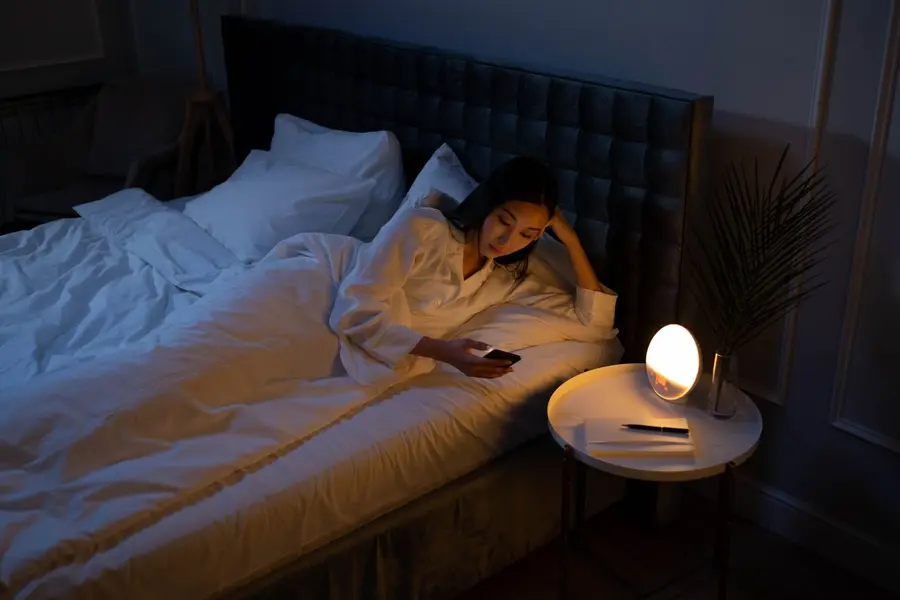
People averaged 6.3 hours of sleep, down 0.2 hours from 2024. The share getting at least the recommended seven hours of sleep for adults fell from 50.4% to 41.6%, with declines of more than 10 percentage points, particularly among people in their 40s and 50s. In effect, people are accumulating a daily sleep debt of 1 hour and 24 minutes compared with how much sleep they believe they ideally need.
Using a phone right before bed (45.9%) and psychological stress (45.5%) were cited in nearly equal measure as factors disrupting sleep. People who reported good-quality sleep were more than twice as likely as those with poor-quality sleep to say they were mentally healthy.
What the meditation community should take from these numbers
The report’s numbers make clear where meditation could fit. People already recognize the importance of letting go and resting, and are seeking restorative activities that involve doing less, such as walking and zoning out. Meditation can make that rest deeper and more consistent, yet only 5% of people think of it as a way to recover.
Meditation needs to be presented not as a difficult, special practice but as a form of everyday rest. Building it onto habits people already have can make it more accessible: putting down the phone before bed and counting breaths for five minutes; turning a familiar walk into walking meditation by focusing on the sensations in the soles of the feet; or extending time spent zoning out into a body scan that brings attention to physical sensations.
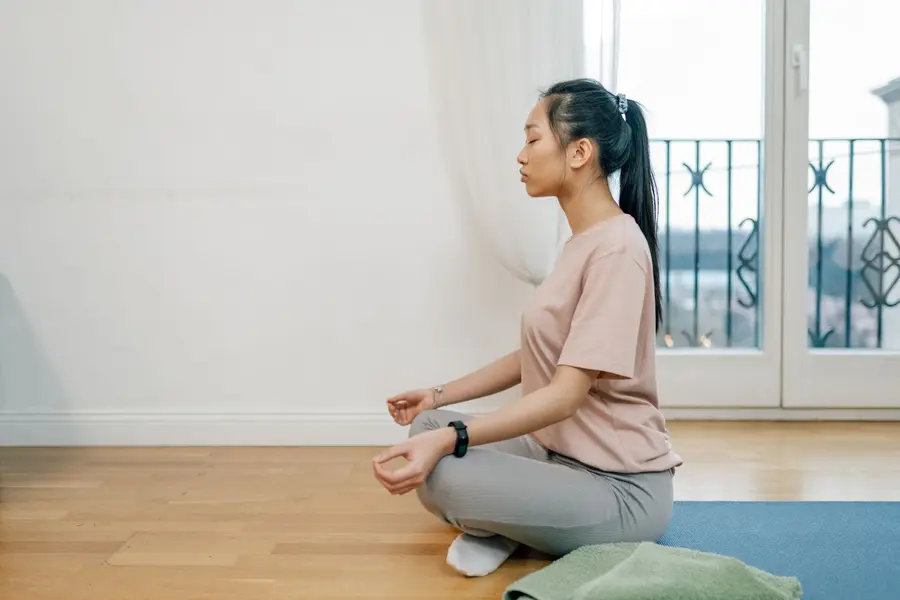
The growing number of people seeking help when they’re struggling emotionally also presents an opportunity. Now is the time for programs that introduce short, simple meditations to people who have put off caring for their mental well-being amid busy lives, including people in their 40s worn down by stress and fatigue.
For inquiries: fare3041@naver.com