

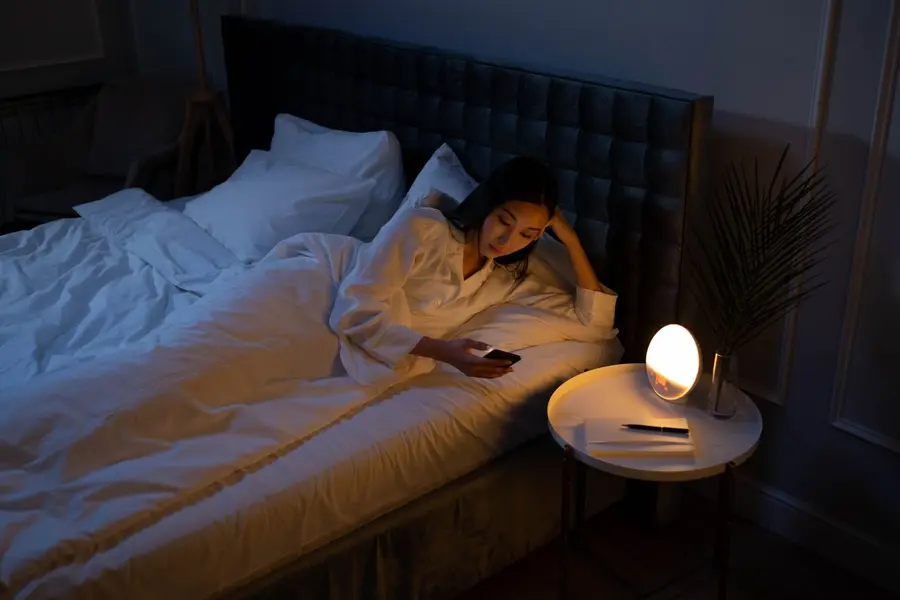
Koreans sleep 1 hour and 24 minutes less each day than they believe they ideally need, and one in two lives with fatigue that persists even after getting enough rest. Most agree that mental health is central to wellness, yet only one in four has practised self-care for their mental wellbeing in the past year. Just 5.2% said they turn to meditation, breathing exercises or yoga to restore their tired bodies and minds.
These are findings from the 2026 Korea Wellness Report, published on 25 October by the KB Financial Group Management Research Institute. The institute surveyed 2,000 economically independent people aged 25–69 between 21 July and 5 August.
If mental wellbeing matters, why are people not looking after it?
A total of 90.7% of respondents counted mental health as part of wellness, compared with 87.1% who said the same of physical health. Yet when asked what they had done for their wellbeing in the past year, the leading activities were managing their diet and taking health supplements (66.6%), and exercising (63.9%). Looking after their mental wellbeing ranked near the bottom, at 26.3%. Exercise (71.7%) was also the activity people most wanted to do more of, while mental self-care (26.7%) came last.
Fatigue has become part of everyday life. Nearly half (49.9%) said they had felt tired in the past month in a way that enough rest did not relieve; the figure was highest among people in their 40s, at 59.4%. The most commonly cited reasons for dissatisfaction with their mental health were high levels of stress (50.1%) and difficulty finding peace of mind (42.7%). The proportion who had used a professional organisation or service when struggling emotionally rose by 9.6 percentage points, from 34.2% in 2024 to 43.8%.
Koreans want to rest, so why do only 5% meditate?
One striking finding concerns attitudes towards rest. Nearly half (48.0%) said a healthy and happy life requires not pushing too hard, letting go and getting enough rest — more than twice the 20.8% who said it requires setting goals and working diligently towards them.
When it came to what they actually do to recover, people tended to take things off their plates. Getting enough sleep (39.5%), light physical activity such as going for a walk (34.4%), and watching videos, using social media or gaming (29.9%) were the three most common activities. Travel and driving (20.6%) followed, then doing nothing, such as zoning out (18.2%). Meditation, breathing exercises and yoga were named by just 5.2%, fewer than one in ten. People want to let go and rest, but few yet think of meditation as a way to do so.

Mobile phones and stress are robbing people of sleep
Average sleep fell by 0.2 hours compared with 2024, to 6.3 hours. The proportion getting at least the recommended seven hours of sleep for adults dropped from 50.4% to 41.6%, with a fall of more than 10 percentage points among people in their 40s and 50s. In other words, people are accumulating a daily sleep debt of 1 hour and 24 minutes compared with the amount they consider ideal.
Using a mobile phone immediately before going to sleep (45.9%) and psychological stress (45.5%) were cited almost equally as factors disrupting sleep. People who said their sleep quality was good were more than twice as likely as those who said it was poor to describe themselves as mentally healthy.
What the meditation community should take from these figures
The report’s figures point clearly to where meditation could fit. People already recognise the importance of letting go and resting, and are seeking restorative activities that involve doing less, such as walking and zoning out. Meditation can make that rest deeper and more consistent, yet only 5% currently think of it as a way to recover.
Meditation needs to be presented not as a difficult, specialised practice but as everyday rest. The barrier can be lowered by building it into habits people already have: putting down a mobile phone before bed and counting the breath for five minutes; turning a familiar walk into walking meditation by focusing on the sensations in the soles of the feet; or using time spent zoning out as a chance to notice bodily sensations through a body scan.
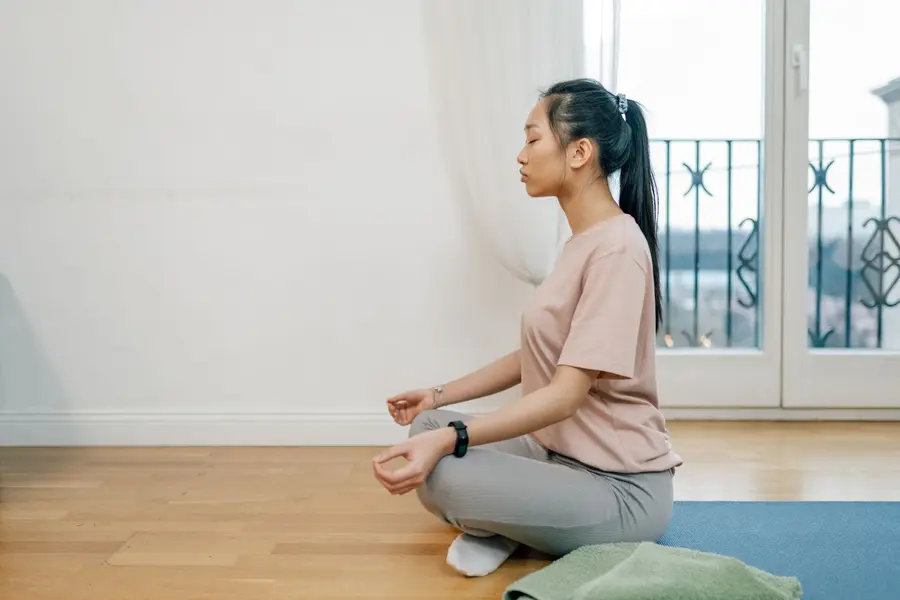
The growing number of people seeking help when they are struggling emotionally is another opportunity. Programmes that introduce short, simple meditations are needed for people who have been worn down by stress and fatigue — including those in their 40s — and for anyone who has put off looking after their mental wellbeing amid a busy daily life.
Enquiries: fare3041@naver.com