

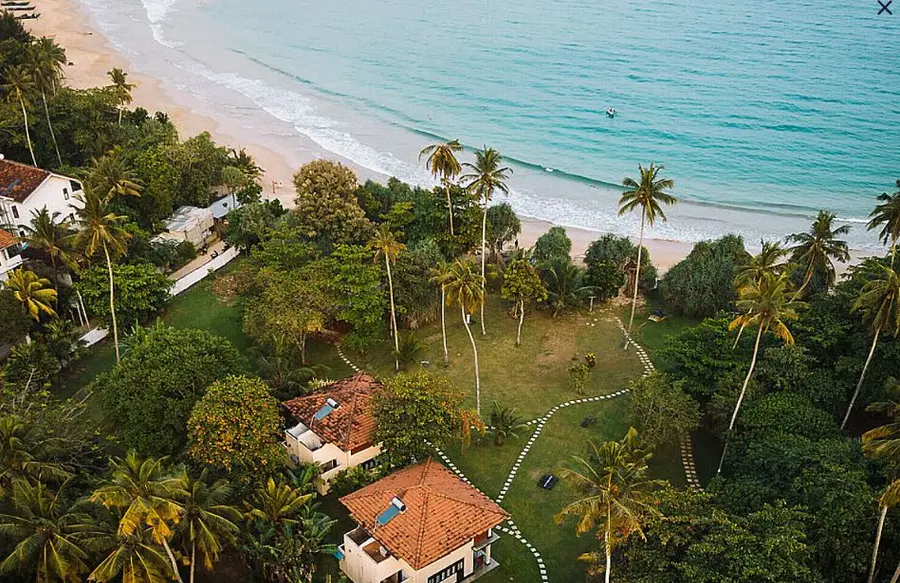
When people talk about meditation, India or Myanmar are often the first places that come to mind. Yet the country that has preserved an unbroken Buddhist tradition for the longest period anywhere in the world is none other than Sri Lanka. So when news emerged that the island nation had been named the world’s leading wellness destination for 2026, it felt almost inevitable. This reputation was not built in a day or two.
Why Sri Lanka? — A connection spanning 2,500 years
The story dates back to around the third century BC. The monk Mahinda, son of India’s Emperor Ashoka, arrived in Sri Lanka and met King Devanampiya Tissa. The king and his people were moved by his teachings and embraced Buddhism, making Sri Lanka officially a Buddhist country. Later, Mahinda’s sister, the nun Sanghamitta, brought a branch from India of the very bodhi tree beneath which the Buddha attained enlightenment and planted it in Anuradhapura. The tree is still alive today and is regarded as the world’s oldest tree with a recorded history. Legend also holds that the Buddha himself visited Sri Lanka nine months after attaining enlightenment. Whether or not that is true, the story reflects the special significance historically attached to the island’s relationship with Buddhism.
There is another fact worth noting for anyone who meditates. Around the first century BC, when teachings transmitted only orally faced extinction amid famine and political turmoil, Sri Lankan monks gathered at Aloka Vihara and committed the Pali Tipitaka — the scriptures that form the basis of modern Vipassana practice — to writing for the first time. In other words, this island is where the source texts of the meditation method we learn today were first recorded. That tradition has continued unbroken. About 70 per cent of Sri Lanka’s population is still Buddhist, and a culture of spiritual practice remains deeply embedded in everyday life.
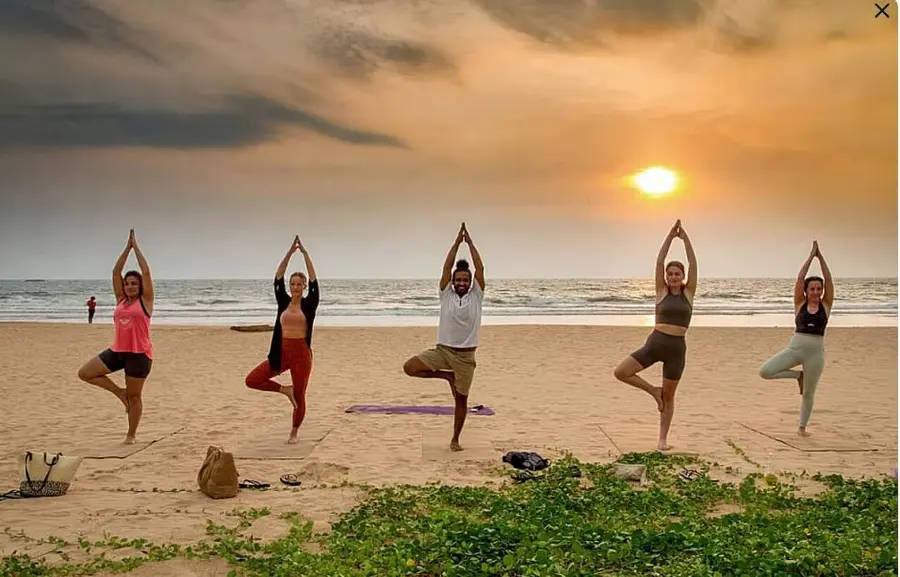
The revival of Vipassana — four monks arrive from Myanmar in 1955
Sri Lanka’s meditation tradition experienced another major flowering in the modern era. 1956 was commemorated in Buddhist circles as the 2,500th anniversary of the Buddha’s birth, and a Buddhist revival swept across Sri Lanka ahead of the occasion. As Prime Minister John Kotelawala considered how to offer practical help to the public, U Ba Lwin, Myanmar’s ambassador to Sri Lanka, suggested that widely promoting Vipassana, or insight meditation, was the best way to offer people genuine fulfilment. The proposal led to the establishment of the Lanka Vipassana Bhavana Samiti, or the Sri Lanka Insight Meditation Association.
On 28 July 1955, four Myanmar monks, including U Sajata, a close associate of the renowned meditation teacher Mahasi Sayadaw, arrived in Sri Lanka. With their guidance and the devoted support of local residents, a meditation centre was built in just six months in Kanduboda, a quiet village 25 kilometres from Colombo. It officially opened on 8 January 1956. The method taught there was Vipassana in the tradition of Mahasi Sayadaw: observing and labelling, moment by moment, sensations arising in the body and mind. Remarkably, that tradition continues today. Kanduboda Meditation Centre can accommodate up to 70 people and welcomes visitors from around the world without charging for accommodation, food or instruction. Anyone who wishes to learn meditation is welcome, regardless of nationality or financial circumstances.
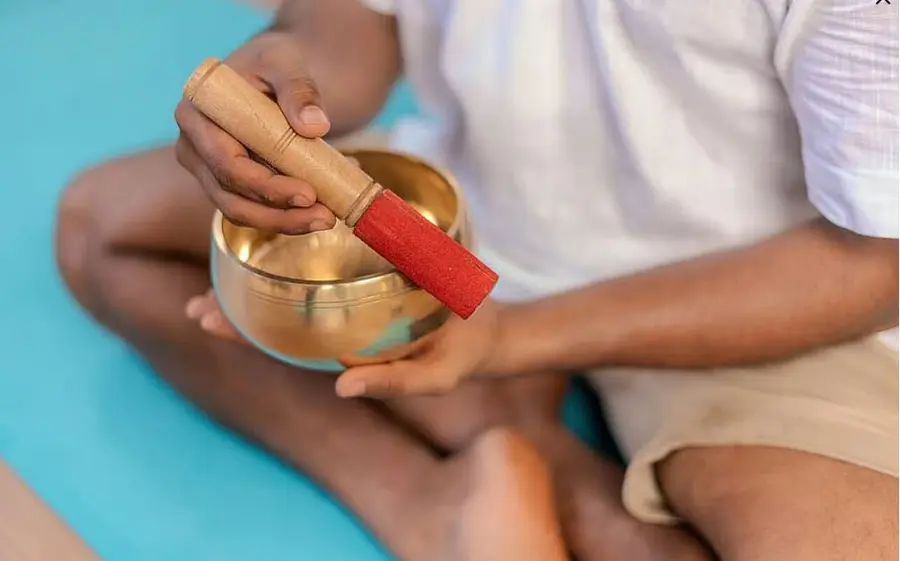
Retreat centres that continue the practice — Rockhill and Nilambe
Since Kanduboda, Sri Lanka has continued to offer retreat centres that welcome practitioners from overseas. Rockhill Hermitage is a leading example, set on a hillside with easy access from both Kandy and Colombo. Large boulders and rock formations — the source of its name — form natural caves, while the monastery, men’s quarters, nunnery and women’s quarters are spread across the 15-acre site. It is considered one of the few places in Sri Lanka where women can practise alone in small huts surrounded by nature. An intensive 10-day retreat is held at the beginning of every month. During the first three days, participants learn Anapanasati, focusing the mind by observing the in-breath and out-breath. The remaining seven days take them towards a deeper understanding of themselves and others.
The founder, Bhante Kassapa, taught Vipassana and Dhamma for more than 35 years, travelling to Australia, Denmark, Britain, Germany, India, New Zealand and the Netherlands to share his teachings around the world. Although he died in 2016, it is striking that Dhamma Chari, a disciple who remained by his side for 35 years, continues to teach in English and Sinhala. One person’s dedication has effectively been carried on across generations.
Nilambe, another well-known centre near Kandy, should not be overlooked. The moment visitors arrive, they must switch off their phones and disconnect completely from the connected world. Short stopovers are not possible: participants must arrive at the start of the scheduled programme and stay until the end. Each morning begins with waking to the sound of a gong, followed immediately by guided meditation. Small tasks often described as walking meditation are also included as part of the practice. Having welcomed foreign visitors for many years, the centre remains one of Sri Lanka’s leading lay meditation centres, receiving practitioners from around the world regardless of gender.
2,500 years of tradition produce 2026’s world-leading destination
With so much history layered over time, the latest ranking does not feel entirely surprising. According to the latest survey released by travel information platform Bookingrewards.com, Sri Lanka was named the world’s most sought-after wellness destination for 2026 after online traffic from travellers searching for wellness experiences rose by 100 per cent year on year. That increase was higher than for any destination in the world, including Australia. Sri Lankan media reports said the ranking was expected to give significant momentum to the country’s tourism industry, which has been recovering and growing after several difficult years. The tradition of spiritual practice planted by the monk Mahinda 2,500 years ago and revived by Myanmar monks in 1955 is only now receiving the attention of the wider world.
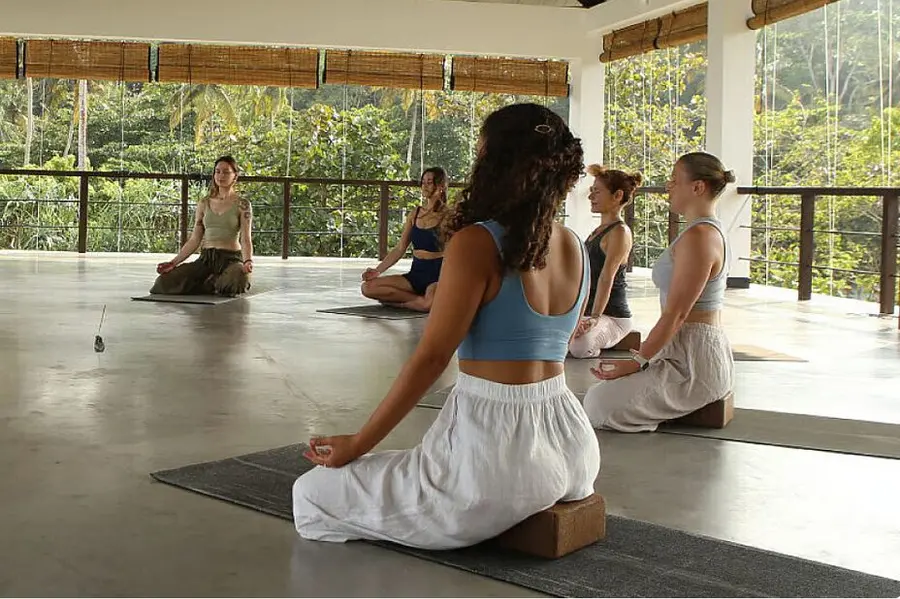
Where Ayurveda and meditation meet
This longstanding tradition is also being recast in the language of today’s travellers. Santani, near Kandy, offers a fully fledged wellness programme that begins with an assessment by an Ayurvedic doctor, alongside daily group Hatha yoga and guided nature walks. Set in a modest organic farm village, Ulpotha Yoga and Ayurveda Retreat holds daily meditation sessions throughout the resort, with guests able to choose between group and individual meditation. On the southern coast, Talalla Retreat is known as a place where visitors can enjoy rest, meditation and pleasure in the sunshine. The Ayurvedic heritage that has endured for thousands of years remains one of the strongest draws for wellness travellers, while both the government and private sector are increasing investment in the field.
A genuine retreat setting made better by the lack of crowds
What is interesting is that, despite all this tradition and growing interest, Sri Lanka remains far from overcrowded as a tourist destination. Recent visitor figures show that, in the June 2026 visitor report, trips for health and Ayurvedic tourism accounted for just 0.3 per cent of all arrivals. In other words, the island is a long way from the tourist-packed atmosphere of famous retreats in Bali or Thailand. Anyone who has travelled to meditate only to find their concentration broken by noise and crowds will understand how precious this quiet can be. The fact that a 2,500-year-old tradition remains alive without yet being over-commercialised is Sri Lanka’s greatest strength as a meditation retreat destination.