
In an era where smartphone notifications are relentless, meetings breed more meetings, and one cannot survive the morning without caffeine, the phrase 'I am busy' has become a greeting, while 'I am resting' feels like a sin. However, now, a completely different movement is quietly and intensely spreading among the youth of the world.
This is called Slowmaxxing—a new life philosophy that abandons speed and maximizes slowness.
What is Slowmaxxing?
'Slowmaxxing' is a combination of 'slow' and 'maxxing.' Instead of maximizing productivity, it is a lifestyle philosophy that maximizes slowness itself. It is not merely a celebration of laziness. It means intentionally experiencing the ordinary daily routines—brewing a cup of coffee, taking a shower, eating a meal—slowly and fully.
This concept first appeared in early 2022 in a post by Twitter (now X) user @robyns_quill. She wrote:
"You need to Slowmaxx. You should read thick, long books. You need to make chocolate chip cookies for 48 hours. You should watch wildlife for hours. Spend more than 15 minutes on a cup of coffee. Breathe in and out. Be slow."
This short post grew into a cultural movement, spreading worldwide through TikTok years later.
Why is the World Paying Attention Now?
As major global media outlets like Forbes shine a light on the 'maxxing' trend, Slowmaxxing has elevated from a mere social media meme to a social phenomenon. In stark contrast to self-optimization trends like 'Looksmaxxing' in beauty and 'Fibermaxxing' in health, Slowmaxxing delivers the paradoxical message that "stopping itself is the best strategy."
The background is the deepening fatigue of modern individuals. According to a Canadian study, 62% of workers cite work as their main source of stress, and more than one-third of college students report experiencing burnout symptoms. As the self-improvement industry has exploded and social media showcases the successful lives of others 24/7, people have become increasingly exhausted.
Experts from the Newport Institute analyze that "Slowmaxxing is a declaration of rejection against hustle culture." It is a profoundly human counterargument that your worth is not determined by how much you have achieved.
TikTok Ignites the Fire: The Genealogy of Virality
In early 2025, a TikTok video recorded millions of views, bringing Slowmaxxing back into the spotlight. The video, which contained the message to "read thick, long books. Make cookies for 48 hours. Watch wildlife for hours," resonated perfectly with the hearts of young people living in a breathlessly fast world.
'Attention Fatigue' is also the key to explaining the rise of Slowmaxxing. As ultra-short content floods platforms like TikTok, Reels, and YouTube Shorts, human attention spans are getting shorter, and our brains are exhausted from constantly processing stimuli. Behavioral psychologists warn that "the very act of switching to short videos is accumulating evidence that it is harmful to mental health." Slowmaxxing emerges as a paradoxical solution to heal the wounds created by fast content through slowness.
The Science Behind the Effects of 'Slowness'
The reason Slowmaxxing is not just a passing trend is that its effects are scientifically proven.
Living slowly lowers cortisol (the stress hormone) levels, improves sleep quality, and enhances focus on oneself and the surroundings. From a neuroscience perspective, slowness enables 'Attention Restoration,' which means that true recovery occurs when the brain operates at its own rhythm.
Wellness expert Lucy da Silva states, "Just by slowly drinking water and focusing on the sensation of it permeating your body, you can experience grounding effects." Slowness is not merely leisure; it is the oldest prescription for the recovery of body and mind.
Questions Slowmaxxing Poses to Korea
Korea may be the country that needs Slowmaxxing the most. Among OECD countries, it ranks high for the longest working hours, has the DNA of a 'quick-quick' culture, and lives constantly compared on social media. The MZ generation in Korea has already redefined their way of life with concepts like 'small but certain happiness,' 'YOLO,' 'work-life balance,' and 'God-life.'
Slowmaxxing is the natural next chapter in this flow. If a God-life is a "day filled with meaning," then Slowmaxxing is a "day intentionally emptied." Waiting while baking 48-hour fermented bread, taking a walk without a smartphone, spending 15 minutes making a cup of coffee—already in Korea, the trends of 'slow life,' 'analog sensibility,' and 'digital detox' are spreading, aligning perfectly with the sentiment of Slowmaxxing.
The trend of temple food, the booking frenzy for temple stays, and the explosive growth of meditation apps are all in the same context. Koreans are already yearning for slowness; they just haven't named that yearning yet.
10 Ways to Start Slowmaxxing
Slowmaxxing does not require grand resolutions. You can start right now, today.
No smartphone for 30 minutes in the morning—do not turn on the screen as soon as you wake up.
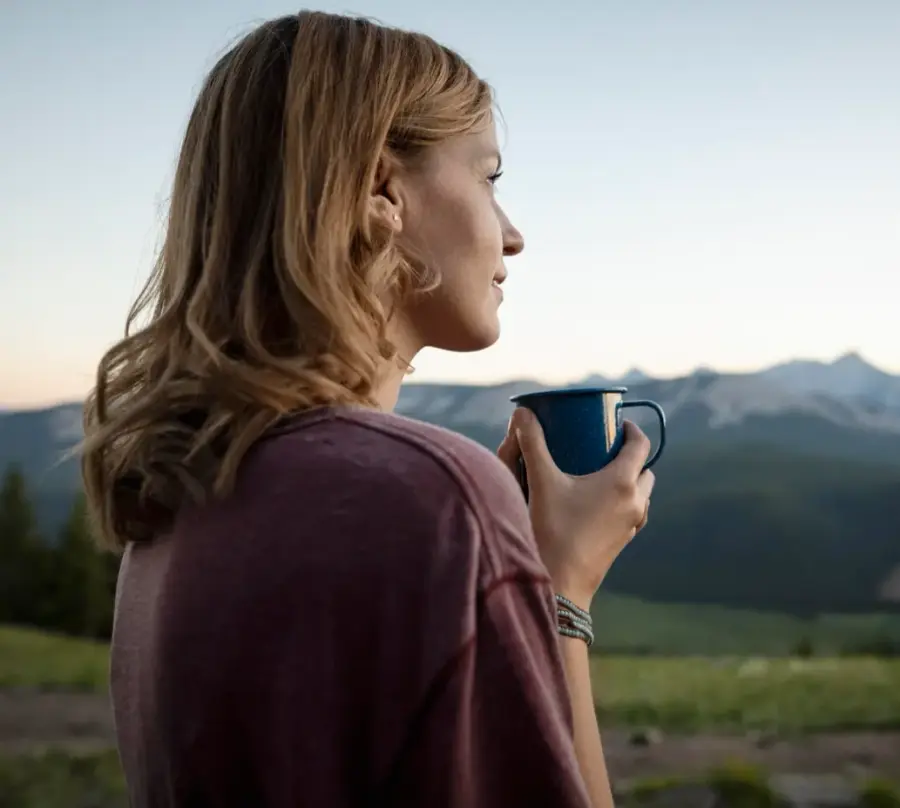
Spend 15 minutes on a cup of coffee or tea—experience the aroma, warmth, and color with all your senses.
Take out your earphones while walking—listen to the sound of your footsteps, the wind, and the surrounding sounds.
Eat meals without screens—practice a meal focused solely on the taste of the food.
Open a thick, long book—experience deep reading instead of short forms.
Invest time in cooking—make a meal slowly instead of opting for convenience food.
Observe nature—look at a single flower or a corner of the sky without doing anything.
Leave early—an easy commute changes the tone of the entire day.
Notice your body's tension—if your shoulders are raised, slowly let them down.
Once a day, just exist—intentionally allow yourself 5 minutes of doing nothing.
The Intersection of Global Wellness Trends and Slowmaxxing
Slowmaxxing aligns perfectly with the global wellness trends that will permeate 2025. As the global wellness market expands from simple 'body care' to 'overall quality of life,' sleep optimization, mindfulness meditation, digital detox, and slow travel form a significant flow. Slowmaxxing naturally occupies the center of this trend. The appeal of this trend lies in the fact that it significantly lowers the threshold for wellness, as it does not require expensive equipment or special spaces. You can practice wellness simply by eating your lunch slowly without a screen—this is why Slowmaxxing has moved the hearts of millions.
Slowness is Not Laziness—Slowmaxxing as a Philosophy
Buddhism has long preached the value of slowness. Mindfulness, which stays in the 'present moment,' is the oldest ancestor of Slowmaxxing. In 2004, Carl Honoré's book 《In Praise of Slowness》 already presented a philosophical counterargument to the civilization of speed, and it is no coincidence that the books of Monk Hyemin have sold millions worldwide.
Slowmaxxing is a version of this flow reborn in the language of the social media generation. It is interesting that the term 'maxxing' is used. Wrapped in the language of maximizing, this trend actually carries the message that "what you should maximize is not productivity but quality of life."
Living slowly may indeed be the wisest life strategy. Rather than collapsing from running fast, it is about walking slowly and arriving at the end—that is the real proposal that Slowmaxxing offers us.
If you are interested in Slowmaxxing, start by removing one earphone on your way home today. Slowness is closer than you think.
