

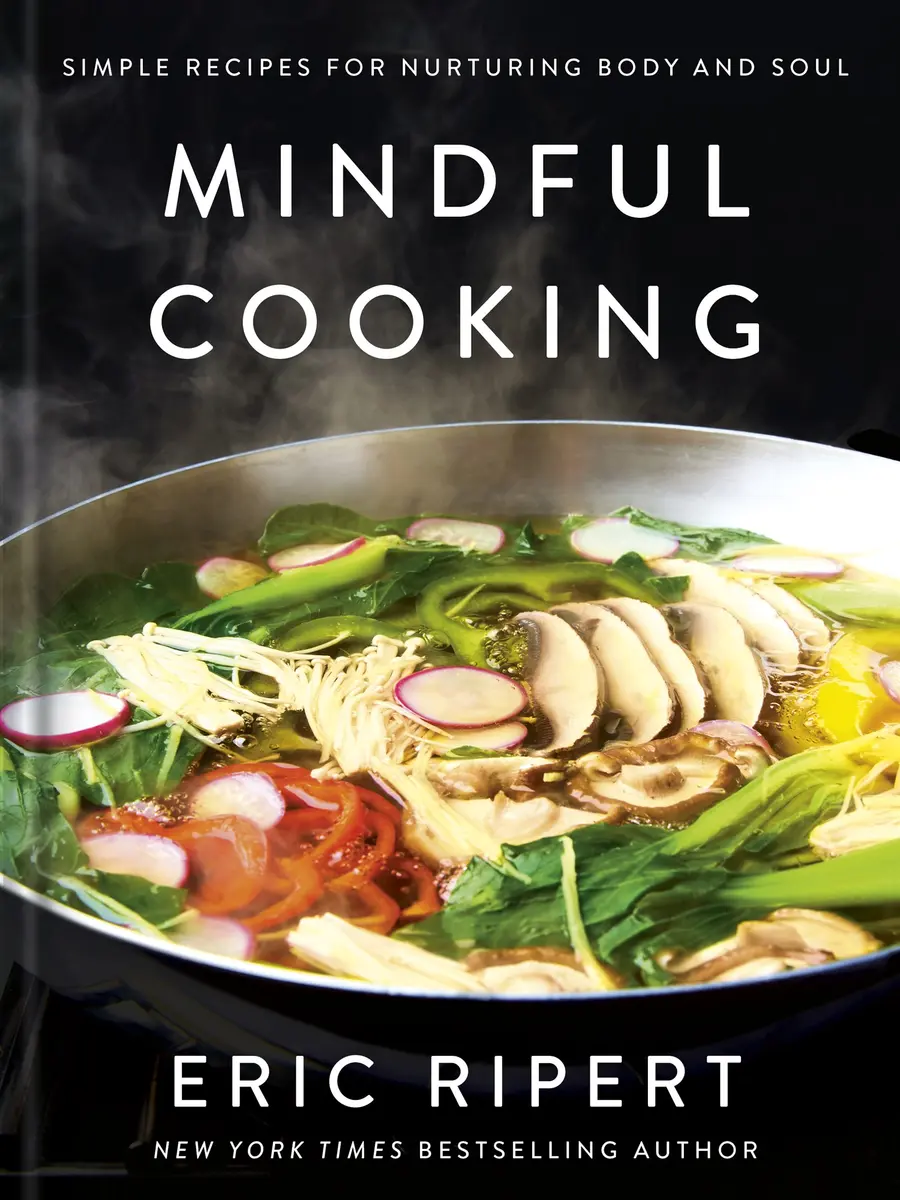
Chef Eric Ripert of New York’s Le Bernardin has published Mindful Cooking, a plant-based cookbook inspired by food he encountered at Buddhist temples in Korea and Japan. On December 3 (Eastern Time), the Buddhist magazine Tricycle will host him for a free online conversation about bringing meditation into the kitchen. The news is worth noting for meditation readers in Korea, too: a world-class chef has named Korean temple food as a starting point for culinary meditation.
What Did the Chef See in a Buddhist Nun’s Kitchen?
Ripert is the chef and co-owner of Le Bernardin, which has held three Michelin stars since 2005. He hosted the cooking program Avec Eric and has published several cookbooks, as well as the memoir 32 Yolks. He also serves as vice chair of the board of City Harvest, a food rescue organization.
Publisher Penguin Random House says the book grew out of Ripert’s travels to temples in Japan and Korea. According to the publisher, he saw at the temples a very different relationship with food, rooted in respect, sustainability and intention. Every step, from planting seeds to preparing ingredients and sharing a meal, was carried out with care, the publisher says. Kitchen Arts & Letters, a New York bookstore specializing in culinary books, also says the book is based on Korean and Japanese temple food and conversations with the Buddhist nuns and monks who prepared it.
Ripert’s connection to Korea appears at the very start of the book. According to Tricycle, it opens with a dedication to Venerable Jeong Kwan, a master of Korean temple food. Jeong Kwan is a Buddhist nun who has practiced and prepared food at Cheonjinam Hermitage at Baekyangsa Temple in Jangseong, South Jeolla Province. Last year, Yale University wrote in an account of her lecture that her cooking had influenced Ripert. In an earlier program, Ripert also said that for the Buddhist nuns who prepare temple food, cooking itself is meditation.
Seven States of Mind in 75 Plant-Based Recipes
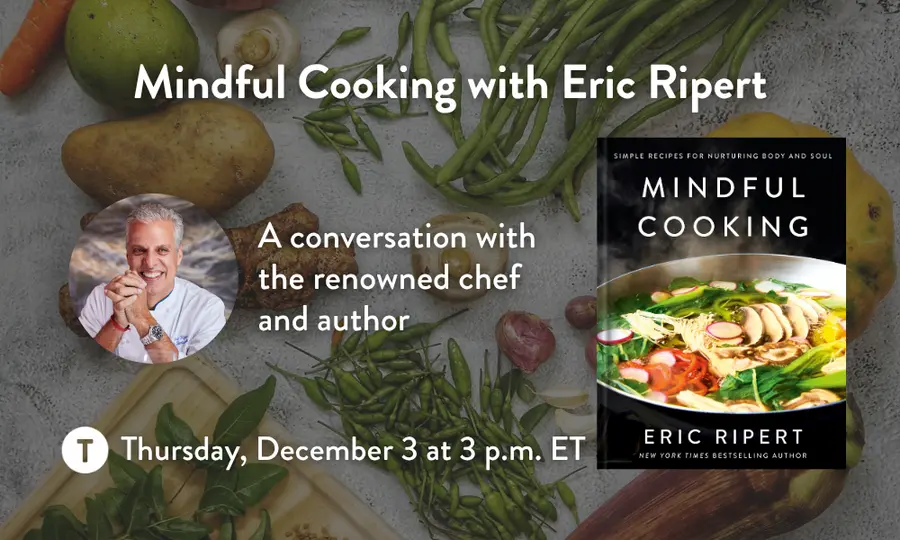
The 256-page book features more than 75 plant-based recipes. They include daikon and turnip carpaccio with yuzu kosho dressing, eggplant schnitzel, avocado-lime tart, and tea infused with chrysanthemum, chamomile and verbena. The dishes combine flavors Ripert encountered on his travels in Asia with French cooking he learned as a child.
The chapters are organized around states of mind, not types of recipes. Tricycle says the book has seven chapters: gratitude, mindfulness, intention, mindset, love and compassion, joy, and inspiration. The publisher invites readers to approach cooking as a way to care for both body and mind.
It is striking that a chef known for elaborate technique has published a book centered on plant-based food and mindset. A conversation about how we prepare and eat food—not just what we eat—is making its way into the heart of global gastronomy. The fact that Korean temple dining culture is at the starting point offers another glimpse of how K-meditation is connecting with the world.
What to Expect from the Free Online Conversation on December 3
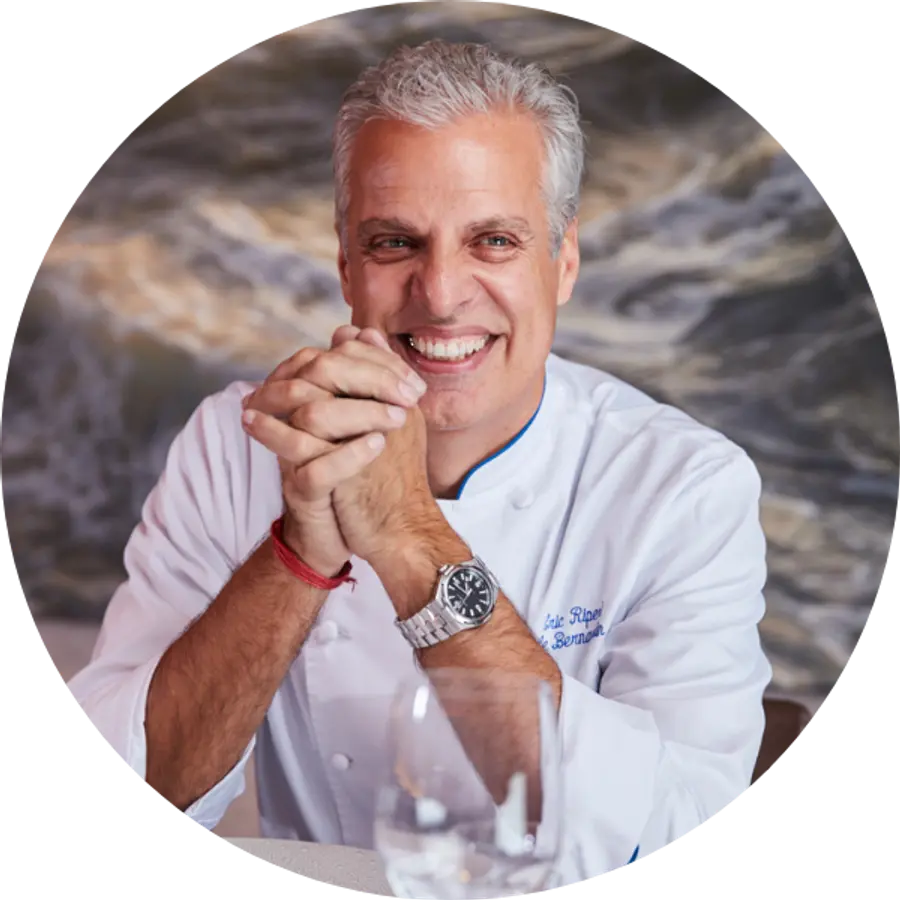
Tricycle’s conversation, Mindful Cooking with Eric Ripert, will take place on Zoom on Thursday, December 3, from 3 to 4 p.m. Eastern Time. In Korea, that will be Friday, December 4, at 5 a.m. There is no charge to attend.
Tricycle describes Ripert as a chef who has practiced Buddhism for many years. He is expected to discuss his new book, his Buddhist practice, the principles of Korean temple food and ways to bring mindfulness into the kitchen. The event will be held in English, and registration is available on Tricycle’s event page.
Try Culinary and Eating Meditation in Your Kitchen Tonight
If sitting still to meditate feels difficult, the kitchen—a place you visit every day—can be a good place to start. Cooking and eating, with their movements, smells and tastes, naturally lend themselves to meditation that follows bodily sensations. In a day when information comes at us without pause, try focusing on the ingredients and food, rather than a screen, for just one meal.
Getting started is simple. As you wash and chop vegetables, pay attention to the temperature of the water on your fingertips, the sound of the knife moving through the ingredients and the aroma as it spreads. When your mind wanders, notice that and return your attention to the sensations in your hands. Once the table is set, take a moment to feel grateful and think of the hands and effort that brought the food to you.
As you eat, chew the first spoonful slowly and for a long time, noticing how its flavor and texture change. During a lecture at Yale, Venerable Jeong Kwan told attendees to take only as much food as they could eat. Before the meal, she read with them a verse recited at Buddhist temples, then led two minutes of silent meditation afterward. At home, simply close your eyes for a minute or two after eating and notice how your body feels.
Those who want to experience temple food firsthand can find temple-stay programs and temple-food workshops at various Buddhist temples across Korea. Culinary meditation is not necessarily right for everyone. If being in the kitchen helps you feel at ease, consider starting with a single dinner and treat it as one of several ways to find the meditation practice that suits you.
For inquiries: fare3041@naver.com