

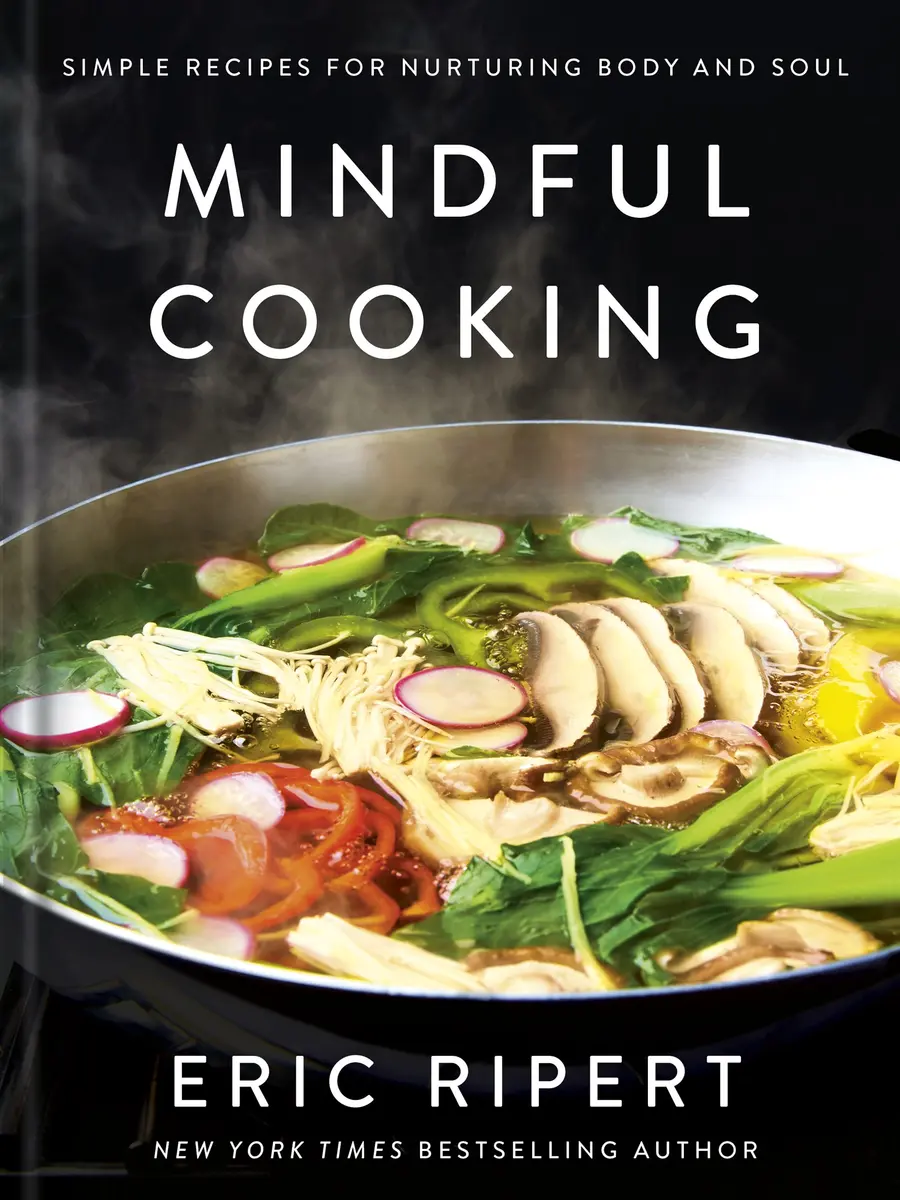
Eric Ripert, chef of Le Bernardin in New York, has published the vegetarian cookbook Mindful Cooking, inspired by food he encountered at Buddhist temples in Korea and Japan. On 3 December (US Eastern Time), the American Buddhist publication Tricycle will host a free online conversation with him about bringing meditation into the kitchen. It is a story that will also interest readers of meditation in Korea, given that a world-class chef has named Korean temple food as the starting point for cooking meditation.
What did the chef see in the nun’s kitchen?
Ripert is chef and co-owner of Le Bernardin, which has retained its three Michelin stars since 2005. He presented the cooking programme Avec Eric and has published several cookbooks, including his memoir, 32 Yolks. He is also vice-chair of the board of City Harvest, a food rescue organisation.
Publisher Penguin Random House traces the background to the book to Ripert’s travels to temples in Japan and Korea. According to the publisher, at the temples he encountered a very different relationship with food, rooted in respect, sustainability and intention. Every task, from planting seeds to preparing ingredients and sharing a meal, was carried out with care, it says. New York cookery bookshop Kitchen Arts & Letters also notes that the book grew out of Korean and Japanese temple food and conversations with the monks and nuns who prepared it.
The connection with Korea is evident from the book’s opening pages. According to Tricycle, it begins with a dedication to Jeong Kwan, a leading figure in Korean temple food. Jeong Kwan is a Buddhist nun who has practised at Chunjinam Hermitage, at Baegyangsa Temple in Jangseong, South Jeolla Province, where she has prepared food. Yale noted last year, in reporting on one of her talks, that her cooking had influenced Ripert. In an earlier programme, Ripert also said that for the monks and nuns who make temple food, cooking is meditation in itself.
Seven states of mind in 75 vegetarian recipes
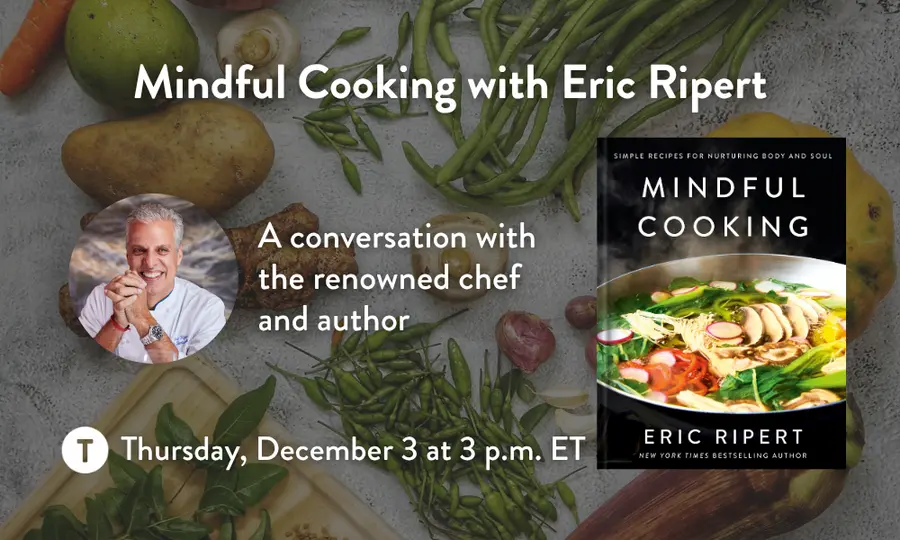
The 256-page book contains more than 75 vegetarian recipes. They include radish and turnip carpaccio with yuzu kosho dressing, aubergine schnitzel, avocado lime tart and a tea infused with chrysanthemum, chamomile and verbena — dishes that can be made at home. Flavours Ripert encountered on his travels in Asia are combined with the French cooking he learnt as a child.
The chapters are organised around states of mind rather than types of recipe. Tricycle reports that the book is divided into seven chapters: gratitude, mindfulness, intention, attitude, love and compassion, joy, and inspiration. The publisher encourages readers to approach cooking as a way of caring for both body and mind.
There is something intriguing about a chef renowned for elaborate technique publishing a book centred on vegetarian food and state of mind. The question of how we prepare and eat food, as well as what we eat, is moving into the heart of global gastronomy. The fact that Korean temple dining culture is at the starting point offers another example of how K-meditation is finding ways to connect with the world.
Free online conversation on 3 December: what can you expect?
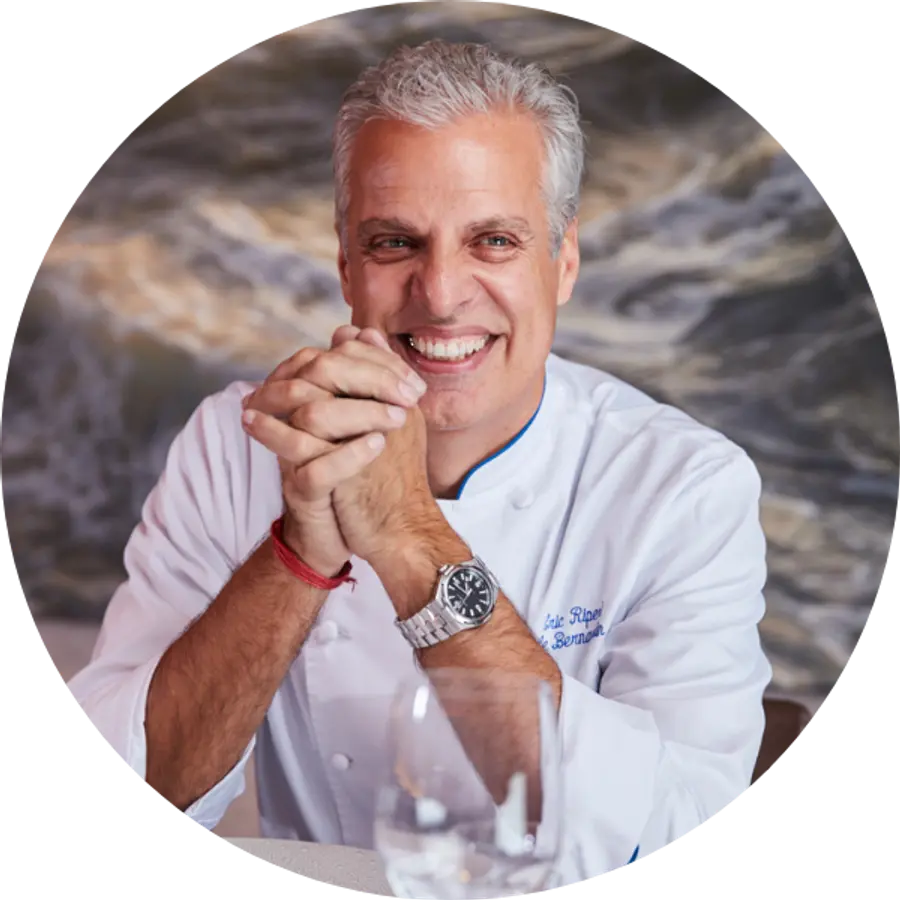
Tricycle’s conversation, Mindful Cooking with Eric Ripert, will take place on Zoom on Thursday 3 December, from 3pm to 4pm (US Eastern Time). That is 5am on Friday 4 December in Korea. There is no charge to attend.
Tricycle describes Ripert as a chef who has practised Buddhism for many years. He is due to talk about his new book, his Buddhist practice, the principles of Korean temple food and ways to bring mindfulness into the kitchen. The event will be in English, and registration is available on Tricycle’s events page.
Try cooking meditation and eating meditation in your kitchen tonight
If sitting still to meditate feels difficult, the kitchen you use every day can be a good place to start. Cooking and eating — using your hands, smelling and tasting — naturally lend themselves to meditation that follows the senses. In a day when information arrives without pause, try giving your attention to the ingredients and food, rather than a screen, for just one meal.
It is simple to begin. As you wash and chop vegetables, notice the temperature of the water on your fingertips, the sound of the knife moving through the ingredients and the aromas as they spread. When your thoughts wander, notice that and return to the sensations in your hands. Once the table is set, take a moment to feel grateful and think of the people whose efforts brought the food to you.
As you eat, chew the first spoonful slowly and for longer than usual, noticing how its flavour and texture change. In a talk at Yale, Jeong Kwan told attendees to take only as much as they could eat. Before the meal, she led them in reading a verse chanted at temples; afterwards, she guided them in two minutes of silent meditation. At home, it is enough to close your eyes for a minute or two after eating and notice how your body feels.
Those who want to experience temple food for themselves can find temple-stay and temple-food programmes at a number of temples in Korea. Cooking meditation is not the right approach for everyone. If being in the kitchen helps you feel at ease, try starting gently with one evening meal, and consider it one of several ways to find a form of meditation that suits you.
Enquiries: fare3041@naver.com