

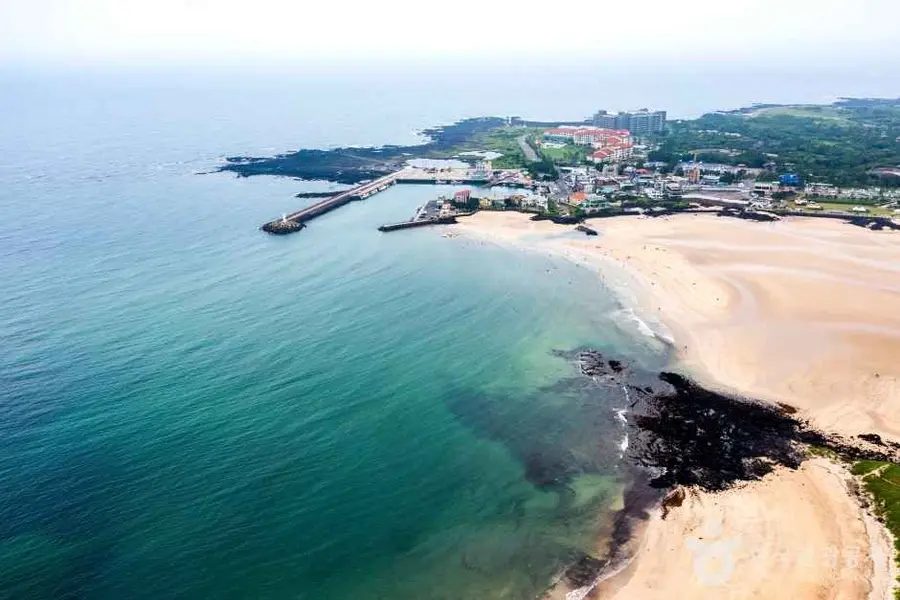
Mornings in Pyoseon, southeastern Jeju, arrive first with sound. At low tide, the sea reveals an entire round stretch of white sand; when the tide comes in, it transforms into a shallow, emerald-colored lake. Facing waters that change character twice a day, people naturally slow their pace.
Facing that sea is Haevichi Hotel & Resort Jeju. In 2025, the Ministry of Culture, Sports and Tourism and the Korea Tourism Organization named it an Outstanding Wellness Tourism Destination in the stay category. Sunset yoga and singing-bowl meditation were cited among the reasons for its selection.
A Sea That Changes Character Twice a Day
Pyoseon Haevichi Beach is in Pyoseon-ri, Pyoseon-myeon, Seogwipo. It covers 250,000 square meters, including 160,000 square meters of beach alone. Its stretch of sand is among the widest on Jeju.
The beach's character depends on the tide. At low tide, a broad, rounded beach unfolds; at high tide, shallow water fills the area, creating a scene resembling a circular lake. Because the water is shallow, the beach attracts many families with children. It has accessible tourism facilities, and visitors can walk with their pets if they keep them on a leash or harness no longer than 2 meters and carry waste bags. Swimming in designated areas is restricted during the beach's operating season. For inquiries, call 064-760-4992.
Jeju Folk Village is 100 meters from the beach, and Jeju Herb Dongsan is a five-minute drive away. The layout makes it easy to spend an entire day at the resort or divide the time into half-day outings.
A Resort That Shifted Its Focus From Sightseeing to Rest
Haevichi has 503 rooms in total: 288 at the hotel and 215 at the resort. It offers nine food-and-beverage venues and six banquet halls of various sizes, which can be divided into as many as 14 spaces as needed. The property also has a golf course and indoor and outdoor swimming pools.
The resort underwent a full renovation beginning in July 2023, marking the 20th anniversary of its opening, and reopened in May 2024. According to a report by Kyunghyang Shinmun, the investment totaled 72 billion won and the construction took 10 months. The rooms were redesigned as 215 suites across 10 types. Instead of dedicating as much space to kitchens, the renovation enlarged the units by separating 63-square-meter living rooms and bedrooms. Furniture was commissioned from Korean designers including Lee Jae-ha and Jo Byung-joo. The year-round heated outdoor pool was fitted with sun loungers and cabanas.
The resort's representative at the time explained that it had shifted toward accommodations designed for longer stays, saying, "If the purpose of travel to Jeju in the past was sightseeing, more people now want to rest." The wellness programs are a concrete result of that change in direction.
Run at Sunrise, Roll Out a Mat at Sunset
Haevichi's wellness programs for guests are scheduled around the day's different times.
Sunrise Run takes participants along the Pyoseon coastline. They run beside the sea as the sun rises.
Bike Riding is a cycling tour around the surrounding area.
Forest Trekking takes guests along forest trails and oreums, or volcanic cones, depending on the season. Southeastern Jeju is dotted with oreums, offering a wide range of walking routes.
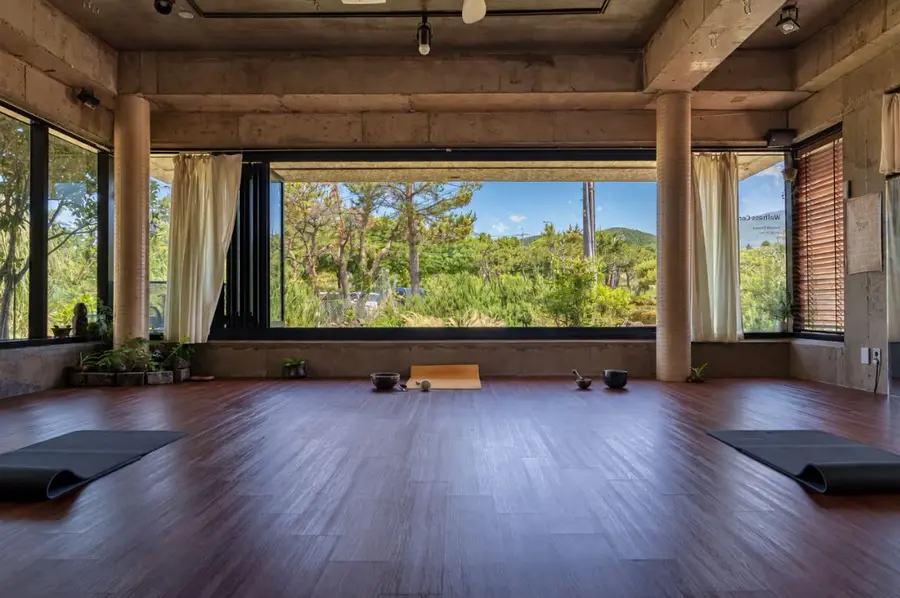
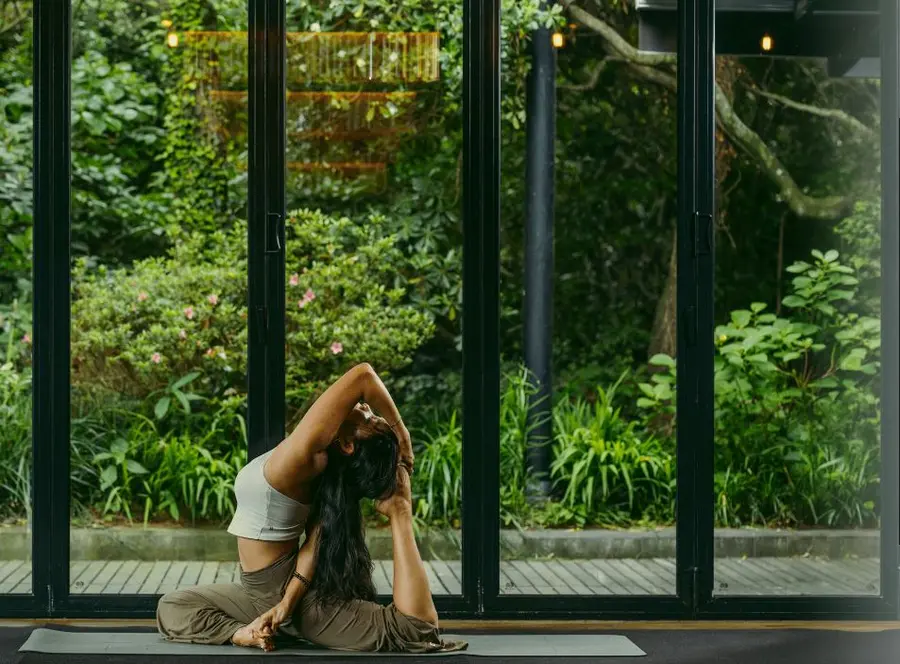
Sunset Yoga and Singing-Bowl Therapy take place as the sun goes down. Participants roll out their mats toward the sea, loosen their bodies and regulate their breathing to the sound of singing bowls. The program was cited as a distinguishing feature in the selection of Outstanding Wellness Tourism Destinations.
All four programs were offered free to guests, according to the resort when the renovated property reopened. Because guests can participate without paying anything beyond their room charges, even people trying meditation or yoga for the first time can give it a try without pressure.
Transportation and Lodging
The shuttle bus takes about 50 minutes from Jeju International Airport to the hotel. The shuttle operates on a daily schedule. Those driving rental cars can head into southeastern Jeju via Beonyeong-ro or Namjo-ro.
The resort's address is 537 Minsokhaean-ro, Pyoseon-myeon, Seogwipo, Jeju Special Self-Governing Province. The main number is 064-780-8100, and the reservations line is 064-780-8000.
Room rates vary by season and room type. At the time of the resort's reopening in 2024, reports listed the Classic Suite Ocean View in the 300,000-won range and the Master Suite in the 400,000- to 500,000-won range. Rates may have changed since then, so check the official website before booking.
Seasons and Temperatures
Southeastern Jeju rarely sees temperatures fall below freezing in winter, making it suitable for outdoor programs year-round. During the peak summer season, beaches draw larger crowds and rates rise. For fewer people and milder winds, late spring, early fall, and the period from late October through November, when silver grass covers the oreums, are reliable choices. Sunset yoga begins at different times depending on the season, since it is scheduled around sunset. Check the day's schedule at the front desk after arriving.
A Korean-Style Wellness Stay
Wellness tourism in South Korea has grown around forests, hot springs and traditional medicine. The trend of lodging properties taking the lead in wellness is more recent. The Ministry of Culture, Sports and Tourism and the Korea Tourism Organization added 11 Outstanding Wellness Tourism Destinations in 2025, bringing the nationwide system to 88 sites and creating a separate stay category. With the selection, Jeju now has nine nationally certified Outstanding Wellness Tourism Destinations.
A five-star property by the sea offering guests free yoga and singing-bowl meditation is a familiar model at wellness resorts overseas. As more such examples emerge in South Korea, the range of Korean-style wellness stays that can be offered to international visitors will expand as well. As the sea at Pyoseon changes character twice a day, the resort's current programs offer an answer to the question of what guests can do while staying there.