

What changes in the mind after following a guided meditation for 15 minutes a day for four weeks? A Georgetown University research team asked 69 adults with no real meditation experience to practice either loving-kindness meditation or a meditation that progressively relaxes the muscles for four weeks. The people who practiced muscle relaxation felt more supported by those around them and less lonely.
The research team published the findings September 16 in the journal PLOS One. The U.S. psychology publication PsyPost covered the study on November 5.
Fifteen minutes of meditation a day: What changed after four weeks?
Participants listened to a 15-minute guided recording at home six times a week for four weeks. The loving-kindness meditation recording was created and narrated specifically for the study by Sharon Salzberg, who has taught meditation for more than 40 years. The muscle-relaxation meditation guided participants to move their attention from their hands and arms to their face, head, neck and shoulders, abdomen and legs, and then expand their awareness to the whole body. Nearly nine out of 10 participants in both groups completed the program.
After four weeks, people who practiced muscle relaxation felt somewhat more supported by those around them, and their loneliness scores fell. They also increased the time they could hold a wall sit, with their backs against a wall and knees bent, by about eight seconds on average. Those who practiced loving-kindness meditation showed no notable changes in these measures. Anxiety decreased in both groups.
The research team also examined whether people who felt more supported tended to hold the challenging position longer. Corresponding author Katherine O’Connell told PsyPost that this association was small but worth further study.
New to meditation? Could you start with the body?
When people think of meditation, they may first think of calming the mind. In this experiment, simply relaxing muscles throughout the body was accompanied by changes in feelings such as loneliness and social support. The experience of relaxing the body may also reach the mind.
After a day of nonstop information, it’s easy for the mind to feel cluttered and the body to feel tense. For beginners unsure what to focus on, sensations in the fingertips, shoulders and abdomen can be an easy place to start.
That doesn’t mean loving-kindness meditation isn’t right for you. It is a longstanding practice that begins by wishing yourself well, then gradually extends those wishes to someone you’re grateful for, a friend, a stranger, someone you find difficult, and all beings. It’s also worth noting that people new to both practices were able to stick with them on their own for four weeks. Rather than one meditation being the right answer, you can start with whichever feels more comfortable right now.
Tonight, try either meditation at home for 15 minutes
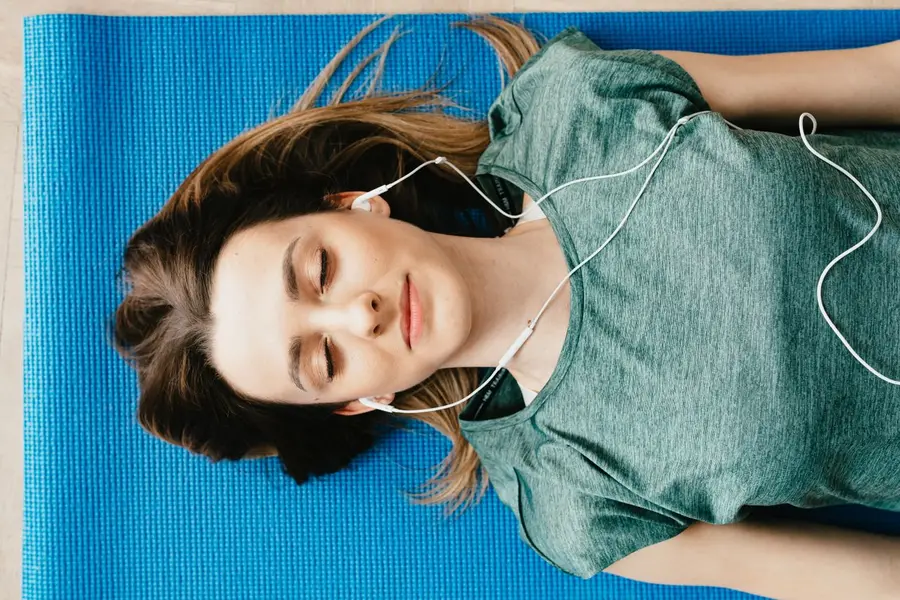
To practice muscle relaxation, get comfortable lying down or leaning back. Move your attention in sequence from your hands and arms to your face, head, neck and shoulders, abdomen and legs. Briefly tense each area, then slowly release it. Take time to notice the feeling of letting go before moving on, and finish by noticing your whole body at once.
To practice loving-kindness meditation, close your eyes and begin by wishing yourself well. Slowly repeat a short phrase in your mind, such as, “May I be safe, may I be healthy, may I be at ease.” Once you’re comfortable, direct the same wishes in turn toward someone you’re grateful for, a friend, someone you don’t know well and someone you find difficult. Finally, extend them to all beings.
You could follow the study participants’ schedule: 15 minutes a day, six times a week for four weeks. Playing a guided recording can help you stay on track even when practicing alone. Try alternating between muscle relaxation on days when your body feels heavy and loving-kindness meditation when you miss being around people. You may find the practice that suits you.
Inquiries: fare3041@naver.com