

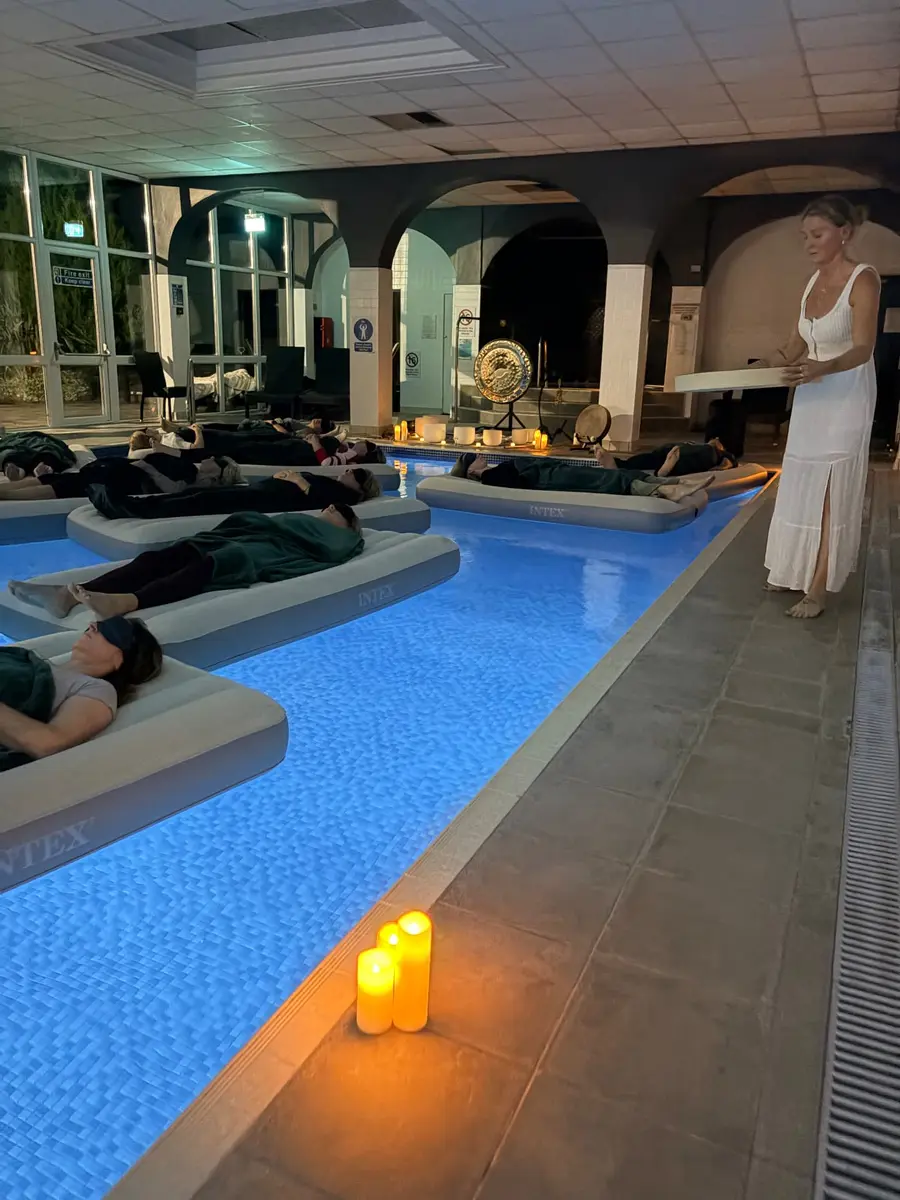
Inflatable mats line the swimming lanes, floating on the water. People lie on them in their regular clothes, covered with blankets and wearing eye masks. By the pool, crystal singing bowls and a gong ring out as the mats sway gently with the water. This is water-based sound meditation, spreading across the UK under the name floating sound bath.
The Welsh regional newspaper The Leader reported on Nov. 3 that the meditation would return to Chirk Leisure & Activity Centre in the Wrexham area of North Wales. Sound baths, once mainly found at spas and resorts, are making their way into public pools where local residents learn to swim and exercise.
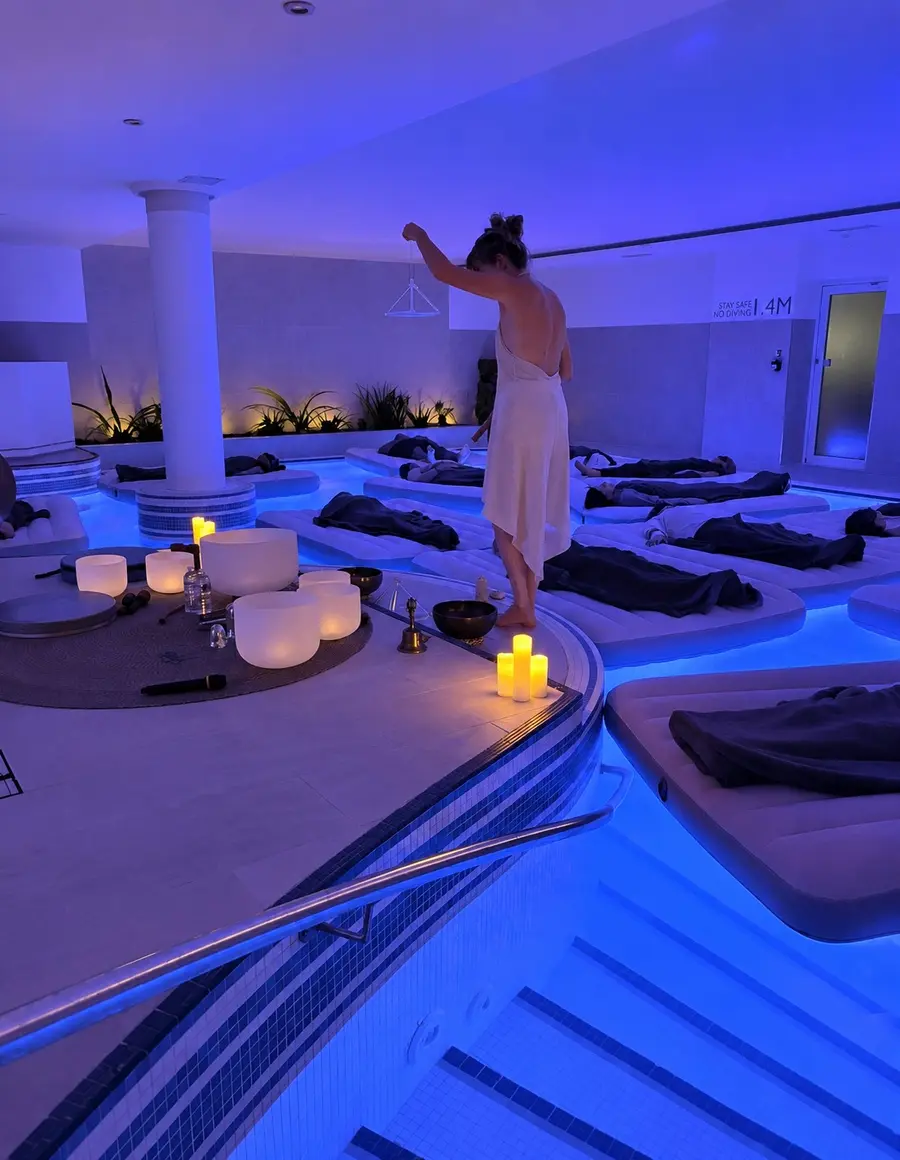
A meditation on the water that requires no swimsuit or swimming skills
The program at Chirk Leisure Centre, called The Border Float, took place Friday, Nov. 6, at 9:30 a.m. and Saturday, Nov. 7, at 3:30 p.m. It was run by The Floating Sound Sanctuary, an organization that holds sessions in the same format across the UK.
Participants do not need to know how to swim or wear a swimsuit. They simply climb onto an inflatable mat in comfortable clothes. The organizers provide the mats, blankets and eye masks. According to the organization’s website, participants do not get submerged; their feet or calves may get a little wet while getting on and off the mat. Tickets for the Friday session cost £33 per person, and attendance is deliberately limited to preserve a peaceful atmosphere.
One attendee said the experience was accessible even for a first-timer. Julie Howell, who attended the Chirk session, told The Leader that she had been quite worried about what to expect because it was her first time, but that it was an amazing experience to let go while surrounded by beautiful sounds on the water.
Water instead of a mat, sounds heard as the body sways
A typical sound bath involves lying on a mat on the floor and listening to sounds. A floating sound bath adds the movement of water. As the surface supporting the body shifts subtly, bodily sensations join the sounds as an entry point to meditation.
The instruments featured by the organizers include crystal singing bowls, gongs, chimes, Tibetan singing bowls and ocean drums that mimic the sound of the sea. Once participants settle onto their mats, a sound meditation practitioner begins to play, and they close their eyes and surrender to the sounds and vibrations. Little is said during the session. The organizers say they keep the room warm and the lighting low. They also say their practitioners have completed training through the UK’s Sound Healing Academy, trauma-informed group facilitation training and Yoga Nidra courses.
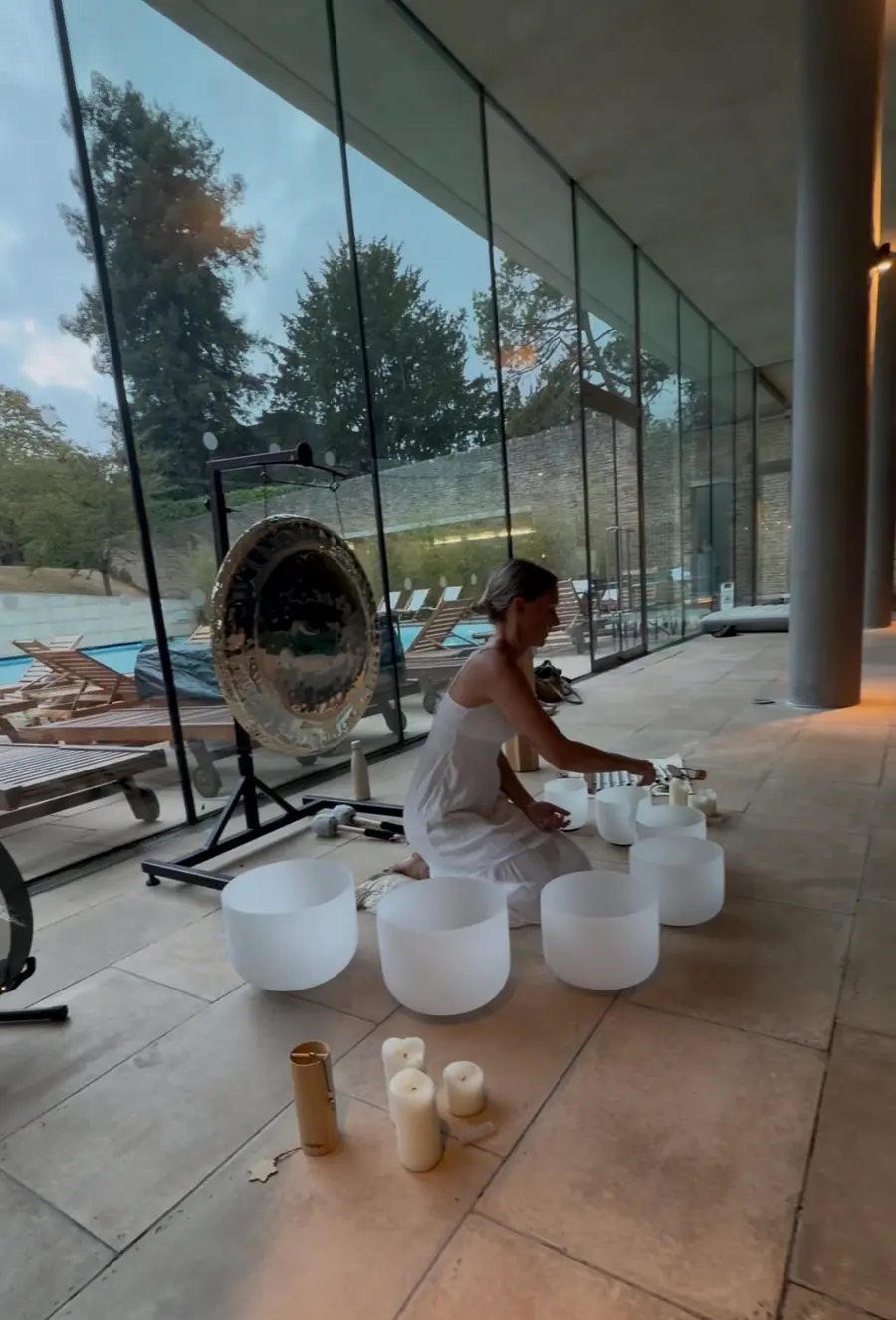
From hotel spas to school pools
The venue list on the organization’s website shows how far water-based meditation is spreading. Alongside a resort in Wales and a spa in England’s Cotswolds are a sports center in Oswestry, a community center in Runcorn and the pool at Sir Thomas Rich's School in Gloucester. The Nov. 13 session at a resort in Falmouth, Cornwall, has already sold out and is taking names for a waiting list. The next sessions at the school pool in Gloucester and Chirk Leisure Centre are scheduled for Nov. 21 and Dec. 5, respectively.
The Floating Sound Sanctuary is not the only organization offering this format. In Wolverhampton in the English Midlands, Blue Fern Wellness held a floating sound bath at a school swimming center. A space where children learn to swim and residents swim laps can, at other times, become a meditation space where people listen to sounds and unwind.
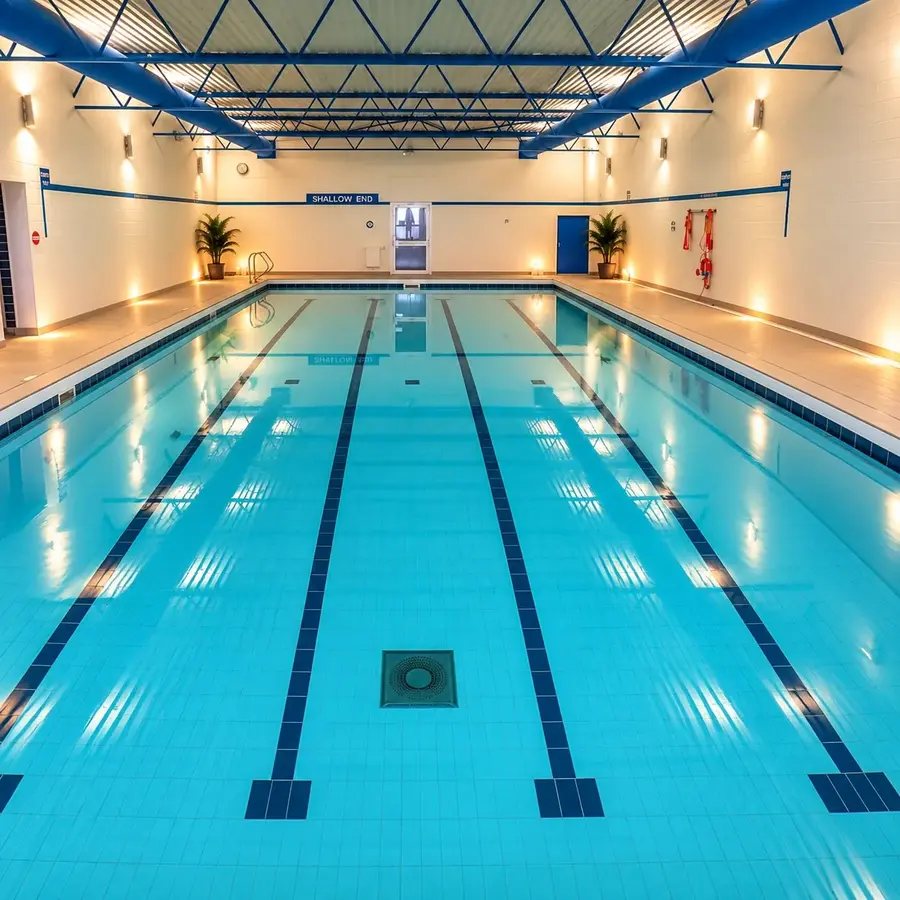
Could local pools in South Korea offer this, too?
Many people say that even though they want to try meditation, they find it difficult to sit with their eyes closed for long in a quiet room. That can be especially true for people whose thoughts never seem to stop. Water-based meditation offers a way to cross that threshold through physical sensation: the feeling of floating, the gentle movement and the sounds arrive before the thoughts in one’s head. For those who have already experienced a sound bath, it is a chance to encounter the same sounds through different bodily sensations. For first-timers, it offers an easy introduction: just lie down and listen.
The trend in the UK shows that meditation spaces do not have to be special resorts; existing neighborhood facilities can serve the purpose. South Korea also has community sports centers and school pools throughout the country. If floating on water is not an option right now, sound meditation can begin at home: lie comfortably on the floor, play a recording of singing bowls and follow the sound until it fades away.
The organizers advise people who are afraid of water, are pregnant, have a pacemaker, epilepsy or a recent ear condition to contact them before booking.
Press inquiries: fare3041@naver.com