

For people with migraine, a headache is about more than pain in the head. It can mean postponing plans, stopping work and lying in a dark room, waiting for time to pass. Around 1.2 billion people worldwide experience migraine, which is the leading cause of years lived with disability among women aged 15–49.
A joint research team from the University of Salamanca in Spain and Taipei Medical University in Taiwan analysed seven clinical trials involving adults with migraine to see what mindfulness meditation and biofeedback changed. The findings were published on 11 November in the international journal Frontiers in Neuroscience. People who meditated experienced less intense pain and less disruption to their daily lives from headaches.
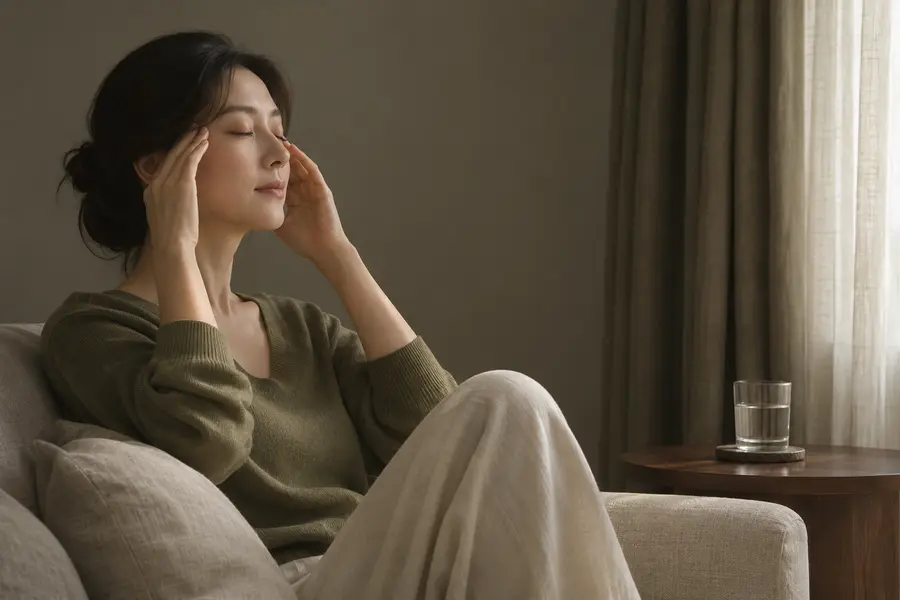
Migraine affects 1.2 billion people worldwide. Could meditation help?
The clinical trials collected by the research team were carried out over the past decade in the US (four), Italy (two) and Canada (one). More than 500 adults took part. In every study, participants were randomly divided into two groups, with one receiving meditation or biofeedback and the other not.
Biofeedback uses a device to display bodily signals that are usually hard to detect, such as muscle tension or brainwaves. People then practise using those signals to calm their bodies. Some of the studies included in this analysis also involved meditating while wearing a headband that reads brainwaves.
Pain intensity and disruption to daily life both fell
The group practising meditation and biofeedback saw improvements in three areas. The extent to which headaches disrupted work, housework and socialising fell (six studies); pain was less intense when a headache struck (three studies); and participants with migraine reported a better quality of life (three studies).
The two groups had similar numbers of headaches per month. Rather than preventing headaches altogether, the practices appeared to change how people endured them and got through them. For someone who has lived with migraine for a long time, that difference can matter: even when the same headache comes, they may not lose the whole day.
The research team concluded that these approaches should not replace medication, but should be used alongside it to help reduce pain intensity, build the ability to manage pain and prevent daily life from being derailed.
From eight-week MBSR to 10 minutes of meditation at home
The meditation programmes included in the analysis varied. Two US studies were based on mindfulness-based stress reduction (MBSR). This is an eight-week programme in which participants meet for two hours once a week to learn practices such as breathing meditation, body scans and movement-based meditation, including yoga. An eight-week course adapting mindfulness-based cognitive therapy for migraine, with 75-minute sessions, also provided a headache-tracking app and materials for daily practice.
The Italian studies ran for six weeks, with one 45- or 90-minute class each week. In the Canadian study, participants wore a brainwave-reading headband and meditated at home for 10 minutes a day over eight weeks. One US study used a device that displayed muscle tension, with participants practising at home three times a week for six weeks. From longer group courses to short daily sessions at home, the range of options means people can choose an approach that fits their lives.
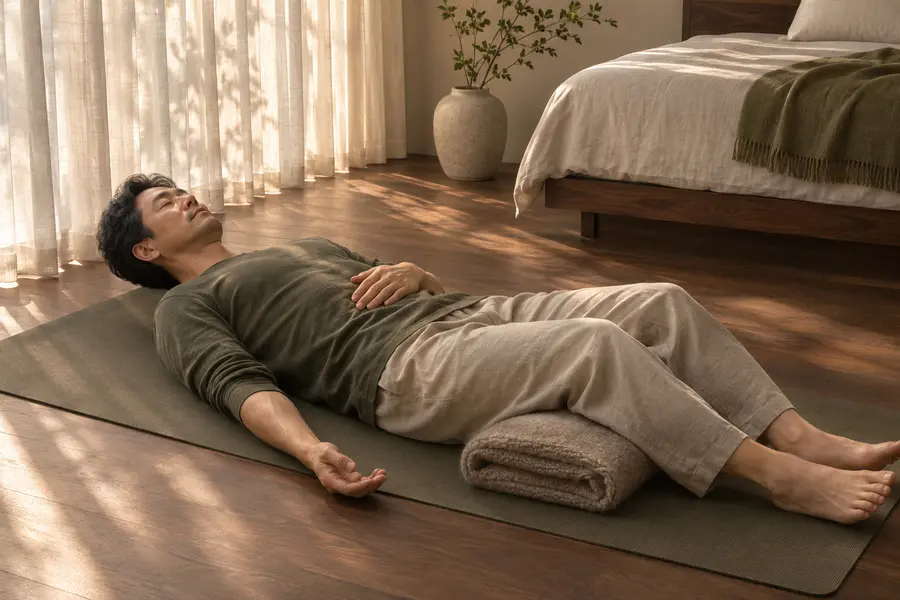
Keep medication unchanged and make meditation an additional habit
A life in which information and notifications keep pouring in can be even more demanding for people with headaches. Mindfulness meditation is practice in noticing the body as it experiences pain, rather than trying to push the pain away. As this analysis suggests, that practice can help people protect their day when a headache strikes.
It is fine to start small. On a day without a headache, try a 10-minute body scan meditation, lying down and noticing sensations in the body in turn, from head to toe. On a day when a headache seems likely, find somewhere quiet, slow your breathing and notice, one by one, any tension in your shoulders, jaw and forehead, then let it go. If it is difficult to practise alone, consider looking for an eight-week MBSR course run by a hospital, meditation centre or lifelong learning centre.
It is enough to leave your current medication unchanged and think of meditation as something to add alongside it. If your headaches are frequent or their pattern has changed, it is best to speak to your doctor first.
Article enquiries: fare3041@naver.com