

Many people put meditation on their New Year’s resolutions list, but put off starting on the first day. In its guide to mindfulness meditation, the US Mayo Clinic says you do not need special equipment or training to begin meditating. The key is to start by focusing on your breath for a few minutes a day, progress to body scans and walking meditation, and practise every day for about six months to make it a habit.
In the guide, updated on 21 January, Mayo Clinic explained that focusing on your breath for just one minute can help reduce stress and clear your mind. It is a beginner’s guide for readers looking to try meditation for the first time over the festive period.
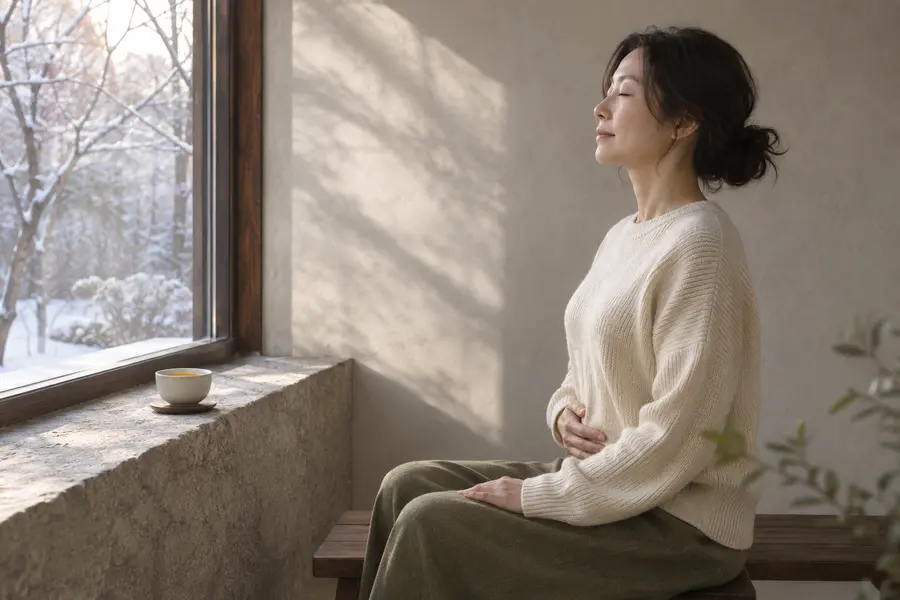
Three misconceptions about meditation: you do not have to empty your mind
The reasons people put off meditating often stem from a few misconceptions. Mayo Clinic highlights three of them.
First is the idea that you have to empty your mind. Mayo Clinic explains that mindfulness is not about erasing thoughts, but noticing them as they arise and letting them pass without getting caught up in them.
Second is the idea that you have to sit cross-legged and stay completely still for a long time. The guide says mindfulness meditation can be practised standing, walking or lying down, and that even brief moments of awareness during the day count as meditation.
Third is the idea that meditation takes a lot of time. You can start with a few deep breaths, and decide for yourself how long to spend. Mayo Clinic notes that research has found that around 10 minutes of mindfulness meditation can also bring positive changes.
These days, with information and notifications coming at us nonstop, sitting still for a long time can make meditation feel daunting from the outset. Mayo Clinic’s guide lowers the barrier to a single breath and a moment spent noticing your body.
Mayo Clinic’s meditation routine starts with one minute of breathing a day
Mayo Clinic recommends starting with the breath. As most mindfulness practices begin there, focusing on your breathing for a few minutes a day is enough to start with.
The method is simple. Take a deep breath, close your eyes and focus on the movement of your breath as it enters and leaves your body. Once you are comfortably settled in a quiet place, breathe in slowly and deeply through your nose and out through your mouth, repeating several times. If you are uncomfortable closing your eyes, you can keep them open. You can practise while walking or standing, or while sitting in a chair.
Once you are used to focusing on your breath, add brief pauses during the day. Slow down when eating and notice the smell, taste and texture of your food, or turn off your screens and phone and mentally scan your body from head to toe. Mayo Clinic adds that on busy days, consciously taking three breaths or pausing briefly to look around can also help.
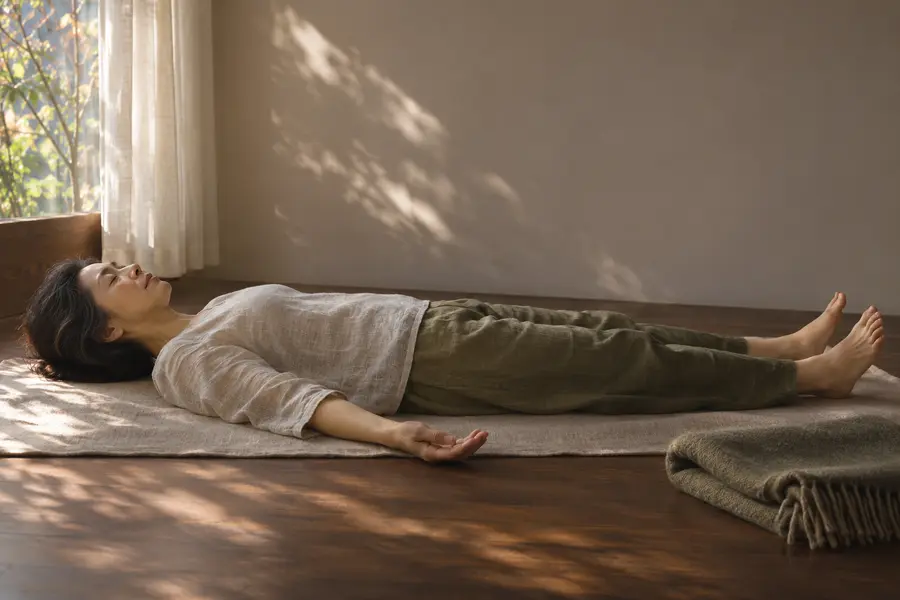
A body scan lying down, and walking meditation at a slow pace
If you enjoy meditating, Mayo Clinic recommends trying some more structured practices. Two well-known examples are body scans and walking meditation.
A body scan can be practised lying down. Lie on your back with your legs extended and your arms by your sides, palms facing up. Breathe in slowly through your nose and out through your mouth, moving your attention gradually through each part of your body, from head to toe or toe to head. Notice sensations such as warmth or coolness, along with any feelings or thoughts that arise about that part of your body, without judging them. It can be a good exercise to try on the bed at the end of the day, before going to sleep.
Walking meditation opens the door to meditation in motion. Walk slowly, paying attention to the feel of each step and the movements of your feet as they help you keep your balance. Notice the sounds you hear, the sights around you and the breeze against your skin. Mayo Clinic says you can practise indoors or outside, and also cites research suggesting that mindfulness outdoors can help awaken the senses.
For those who find it frustrating to sit still and focus only on their breath, walking meditation may be an easier way in; on days when the body feels tired, a body scan while lying down may be more approachable. Mayo Clinic also advises trying different practices until you find the one that suits you best, and says you can combine several.

Start meditating in December, and make it a habit by early summer six months later
Mayo Clinic’s suggested goal is to practise every day for about six months. The more you practise, the easier and more natural meditation becomes; over time, it can turn into a habit that takes no effort and may help you feel less tired and stay more present in the moment. Mayo Clinic also says mindfulness meditation may help with stress and anxiety, and support sleep.
Starting with one minute of breathing a day in December means completing six months around early summer next year. Rather than trying to meditate for a long time from the outset, it is better to keep it up every day, even if only briefly, to build a habit. You can fit meditation into gaps in your day: one minute by the window after waking up, five minutes on a walk after lunch, or a 10-minute body scan before bed.
If it is difficult to keep going alone, finding a group to practise with is another option. Mayo Clinic recommends looking for mindfulness classes in your community. In South Korea, introductory courses are also offered at local lifelong learning centres, cultural centres, temples and meditation centres. Trying different forms of meditation that involve movement, such as walking, yoga or breathing exercises, can be a first step towards finding the practice that suits you this New Year.
Enquiries about this article: fare3041@naver.com