

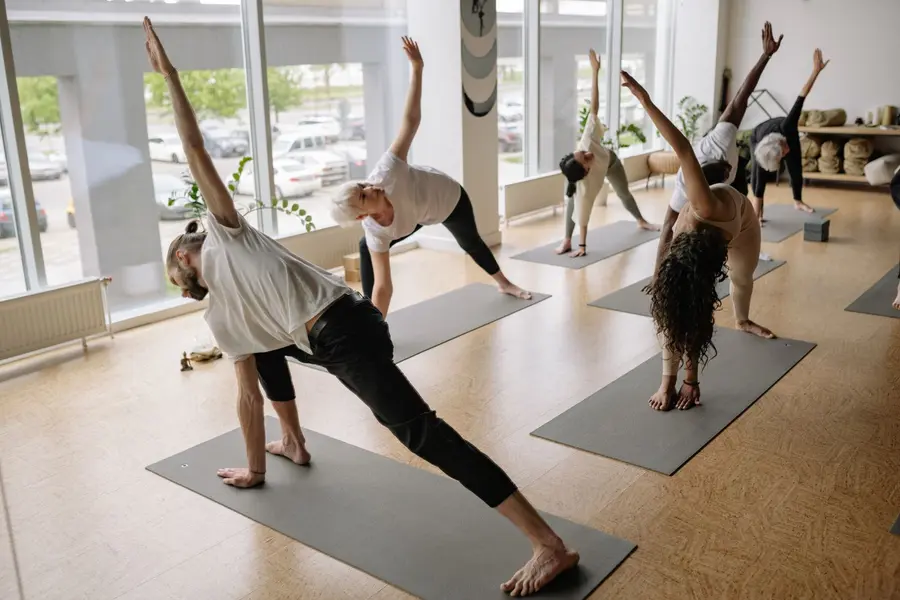
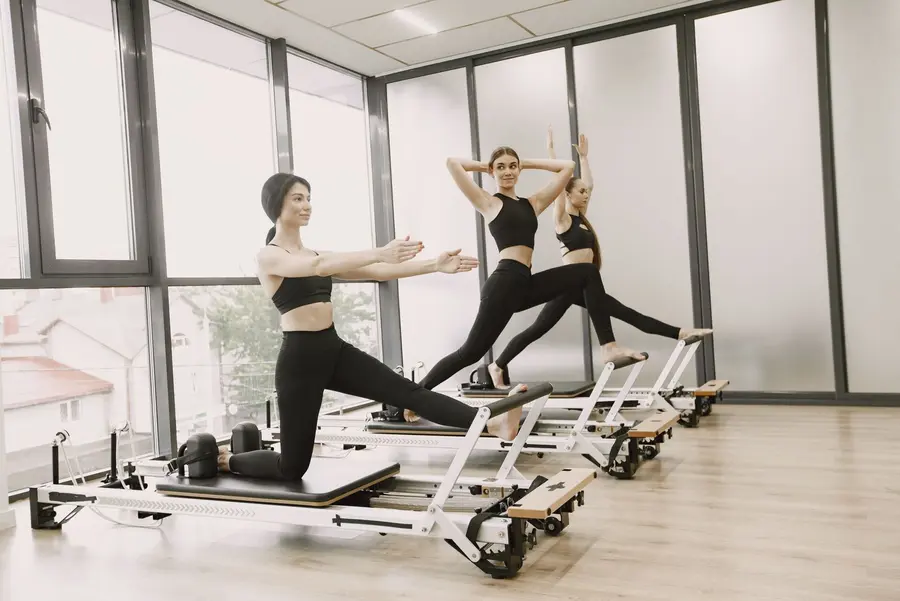
Even in the age of smartwatches that measure the body, people are returning to classes where they gather to breathe and find their balance. In the 2027 Worldwide Fitness Trends report, published by the American College of Sports Medicine (ACSM) on 20 October, activities that build balance, flow and core strength, such as yoga, Pilates and barre, rose from fifth to third place, while group exercise classes leapt six places, from 13th to seventh. Exercise for mental health and wellbeing has remained in the top 10 for four years running.
For this year’s 21st annual survey, ACSM asked more than 1,400 fitness professionals around the world how widely 50 candidate trends were being adopted in the field. Wearable technology took first place for the 10th time, while mobile exercise apps climbed from fourth to second.
If technology is number one, why are people gathering together?
Technology has secured its place near the top of the rankings. Wearables, mobile exercise apps and data-driven training technology—which tracks sleep quality and heart rate variability—at eighth place, all made the top 10. But the biggest rise was for exercise done with other people. ACSM said the growth in group classes reflected demand for instructor-led movement and growing interest in social connection through exercise.
Dr Cayla McAvoy, the report’s lead author, said that while technology continues to change how people exercise, this year’s rankings highlight the value of shared experiences and programmes suited to different stages of life. She said it was up to professionals to turn that interest into accessible, evidence-based programmes that people can sustain. Exercise programmes for older adults have remained in the top five for five consecutive years.
ACSM added that a high ranking does not prove the effectiveness of any particular programme, and stressed the importance of guidance from qualified professionals and evidence-based practice.
Why is the wellness industry tired of optimisation?
The same shift is apparent in the wellness industry’s outlook. In its 2026 wellness trends, the Global Wellness Summit (GWS) identified a backlash against over-optimisation. As sleep is turned into a score, blood sugar into a graph and ageing into a set of figures, wellbeing has shifted from something to feel into a task to get right, it said. GWS described a renewed focus on regulation over results, sensation over scores, and measuring wellbeing by how fully alive we feel.
Another trend is the rise of neurowellness: wellness that cares for the nervous system. Amid relentless digital stimulation and blurred boundaries between work and life, many people are stuck in a low-grade fight-or-flight state. GWS noted that regulating the nervous system and building the capacity to recover before illness develops are becoming a new frontier in health, with easy, repeatable practices at their heart. The spread of wellness festivals that people can enjoy together was also identified as a trend.
What should meditation classes prepare for?
The two reports point meditation practitioners in the same direction. Although technology for measuring the body is on the rise, people are tired of scores and are looking for time to tune into bodily sensations and let their nervous systems rest with the help of an instructor. Body-based practices such as breathwork, body scans and walking meditation are among the simplest ways to adopt the easy, repeatable practices highlighted by GWS.
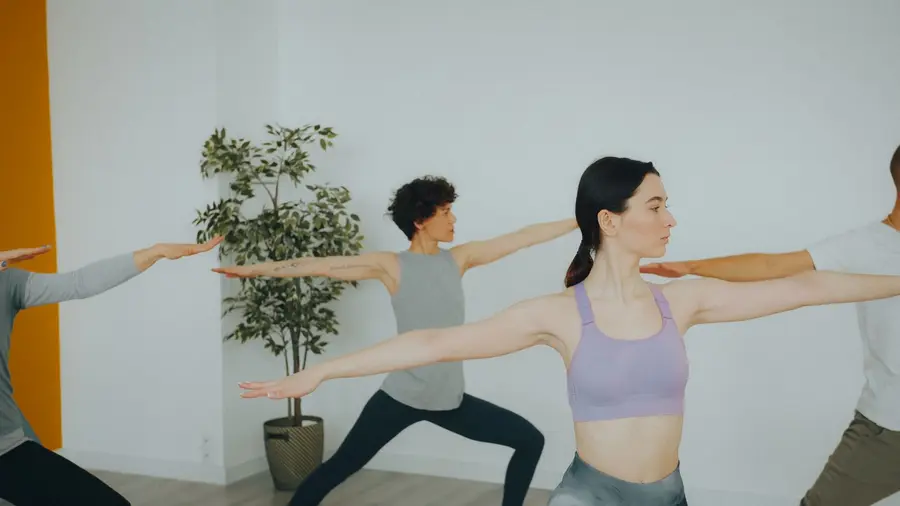
One option is to add a short breathing meditation at the end of a yoga or Pilates class, or to hold regular group meditation sessions. Just as the analysis suggests that classes with others help people stick with exercise, meditation—which can be hard to practise alone—can become a lasting habit when done together. Meditation that focuses on sensation rather than scores, and recovery rather than performance, could move to the heart of wellness in 2027.
For article enquiries: fare3041@naver.com