

In a quiet lane in Seochon, Jongno-gu, Seoul, sound meditation follows the resonance of singing bowls and gongs in a hanok with a ㄷ-shaped layout. Ritual Mind, a sound-therapy meditation space, has been offering sound meditation in a hanok it built itself since 2018, and was also included in this year's 100 Seoul Wellness Destinations. At weekends, it runs small-group and private sound baths; on weekday mornings and afternoons, it offers a membership for independent practice.

Ritual Mind's guiding phrase is Anwi (安慰), meaning to soothe the body and comfort the mind. Every part of the hanok provides a backdrop for meditation: its tiled roof and wooden pillars, the central courtyard, and the rooftop overlooking Seochon. The group size is kept small, with a maximum of six people at a time.
From Himalayan singing bowls to gongs: what sounds will you hear?
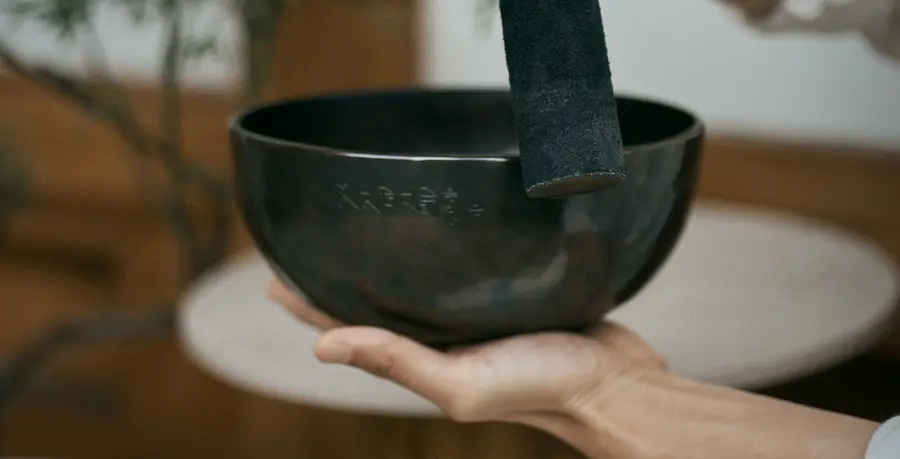
Sessions here use therapeutic instruments including Himalayan and crystal singing bowls, gongs, chimes and ocean drums. Participants lie down or settle into a comfortable position, listening to the resonance and vibrations spreading from the instruments. Rather than trying to force their thoughts to stop, they follow a thread of sound, allowing their attention to return naturally to the present moment. That makes sound meditation an accessible way for newcomers to try meditation.
You can also try playing the instruments yourself, rather than simply listening. According to the introduction to the 100 Seoul Wellness Destinations, the programme also includes incense meditation, tea meditation and a six-part singing bowl course.
60- or 90-minute sound bath: what's the difference?
For a first visit, the group sound bath is a gentle introduction. It takes place at 1.30pm and 3.30pm every Saturday and Sunday, with groups of two to four people. Over 60 minutes, guests awaken their senses with an introduction to the hanok and a tasting of traditional tea, clear their minds with a sound bath, then finish by smelling three hanok-inspired perfumes. The fee is 70,000 won per person. The session is led by Anwi, founder of Ritual Mind, who has worked on traditional hanok architecture and the planning of therapy sessions. Anwi has previously established and run Digeut Meditation Stay.
The private sound bath takes participants a little deeper. It runs for 90 minutes every Saturday and Sunday at 10.30am and can be booked by a minimum of two people. The session is structured in stages: opening up by drinking lotus tea and filling in a workbook; distinguishing by focusing on the senses through singing bowl playing and self-guided meditation; letting go through a sound bath; and returning to everyday life by lighting a lantern and incense. The three-session course explores the past, present and future, as well as emotions, the five senses and personal values in turn, but you can book a single session. The fee is 150,000 won per person. For sessions in English, enquire separately.
Voice Sound Healing, which explores bodily sensations through vocal resonance and breathing, is also held on an occasional basis. Last September, it ran as a 90-minute session costing 70,000 won per person.
How to use a hanok as your personal meditation room on weekday mornings
If you already practise with singing bowls or meditate, the Ritual Membership may appeal. It is not a class, but a pass that lets you use the hanok as your personal practice space. The space is available for 180 minutes at 7am and noon on weekdays, with a maximum of four people at a time. The areas are arranged for different practices: breathing meditation and singing bowl playing on the rooftop; yoga and gong playing in the courtyard; and yoga and tea meditation indoors. The space is equipped with a gong, a set of Himalayan singing bowls, tea utensils, pu-erh tea and yoga mats.
Membership costs 180,000 won for five visits or 300,000 won for ten visits per month. Passes become available on the first day of each month. Commercial use, including paid photography or running sessions, is not permitted, and only the registered member may use the space.
New to sound meditation? Here's how to try it
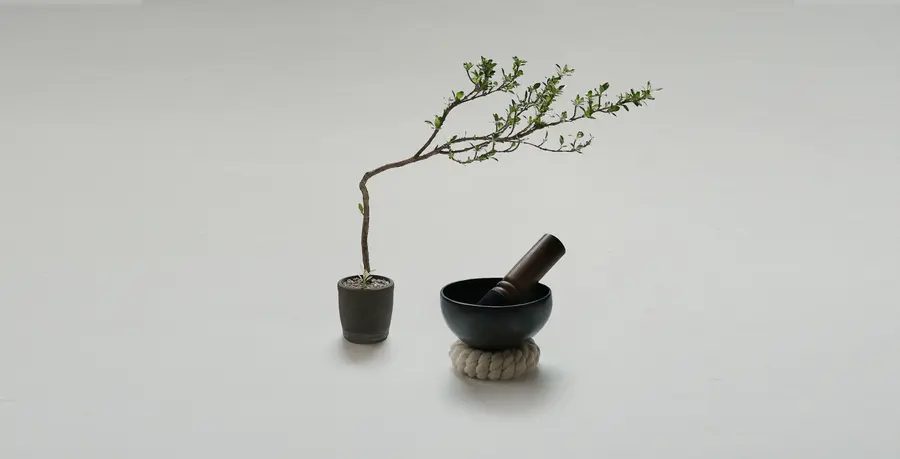
Sound meditation is easier when you let go of the pressure to do it well. When the session begins, breathe out slowly three or four times, then choose the sound you can hear most clearly. Follow its resonance as it swells, fades and finally disappears; when the next sound comes, start again. If thoughts interrupt, simply noticing them is enough — just return to the sound. When the session ends, resist the urge to reach for your phone straight away. Keep your ears open for a few more minutes to the breeze in the hanok courtyard and the everyday sounds of the lane. This practice of listening to everyday sounds as meditation can continue when you get home.
What should you know before booking?
All programmes are by reservation. Select the booking button on the programme page of the website (ritualmind.com) to continue to Naver Booking. Cancellations or changes can be made up to two weeks before the booking date. There is no parking at the venue, so visitors should use public transport or a nearby public car park.
In view of the vibrations of singing bowls, Ritual Mind does not recommend participation for people with epilepsy, pregnant women who have not yet reached a stable stage of pregnancy, children aged six or under, or people with a pacemaker, artificial joint or metal pins. If any of these circumstances apply, it is best to enquire before booking. Address: 11-9, Pirundae-ro 3-gil, Jongno-gu, Seoul. Enquiries: 010-9282-2174.
Press enquiries: fare3041@naver.com