

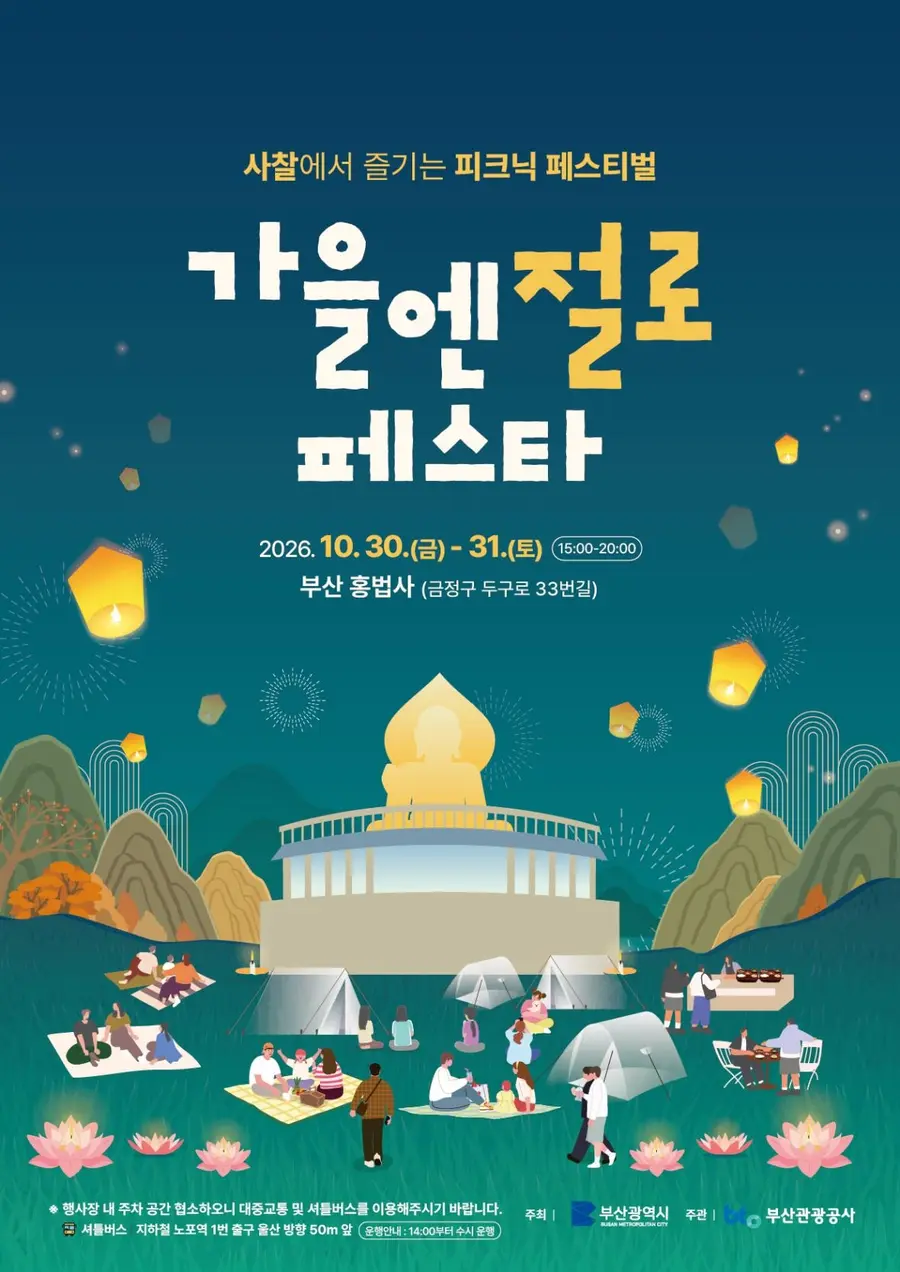
A temple, once a place to quietly look around before heading out, becomes a place to spend the whole day eating, walking and resting. Busan City and the Busan Tourism Organization will jointly hold the Fall Temple Festa, an immersive tourism event, at Hongbeopsa Temple in Geumjeong-gu on Oct. 30 and 31.
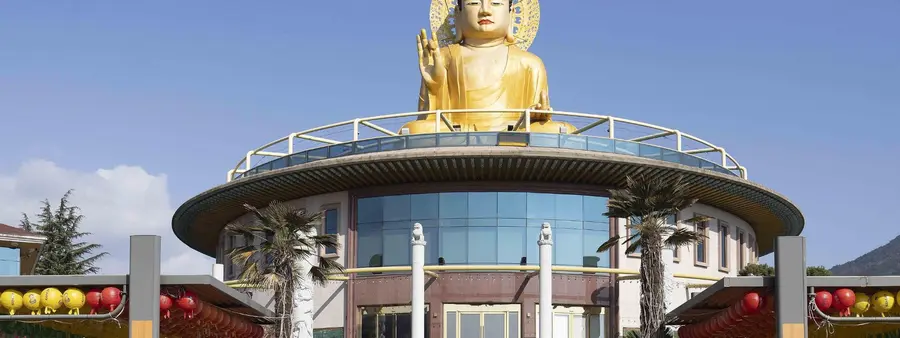
The event runs from 3 p.m. to 8 p.m. on both days. It will be held at Hongbeopsa Temple, at 33 Dugu-ro, Geumjeong-gu, Busan. Shuttle buses will run for visitors between Nopo Station and Hongbeopsa. At Hongbeopsa, home to the country’s largest Amitabha Buddha statue, 12 Temple Festa programs will explore temple cuisine, fall-night concerts and emotional well-being.
Meditation and temple cuisine: Why Busan is bringing temples back as tourist destinations
Busan City said it planned the event in response to growing interest in temple stays and meditation as wellness tourism amid the spread of K-culture, as well as rising attention to temple cuisine as K-vegan food. The idea is to broaden the role of temples beyond places to visit, making them destinations where people can stay and have an experience.
For many people around the world, temples are among the most accessible entry points to Korean meditation. Sitting in a prayer hall for an extended period of seated meditation can feel daunting to first-time visitors, but anyone can eat a meal, drink tea and walk a mountain path. A local government bringing temple cuisine, meditation and performances together as a tourism offering can be read as a sign that K-meditation is being translated into the language of everyday experiences.
108 temple dishes by Daeyan Sunim: See, hear and taste
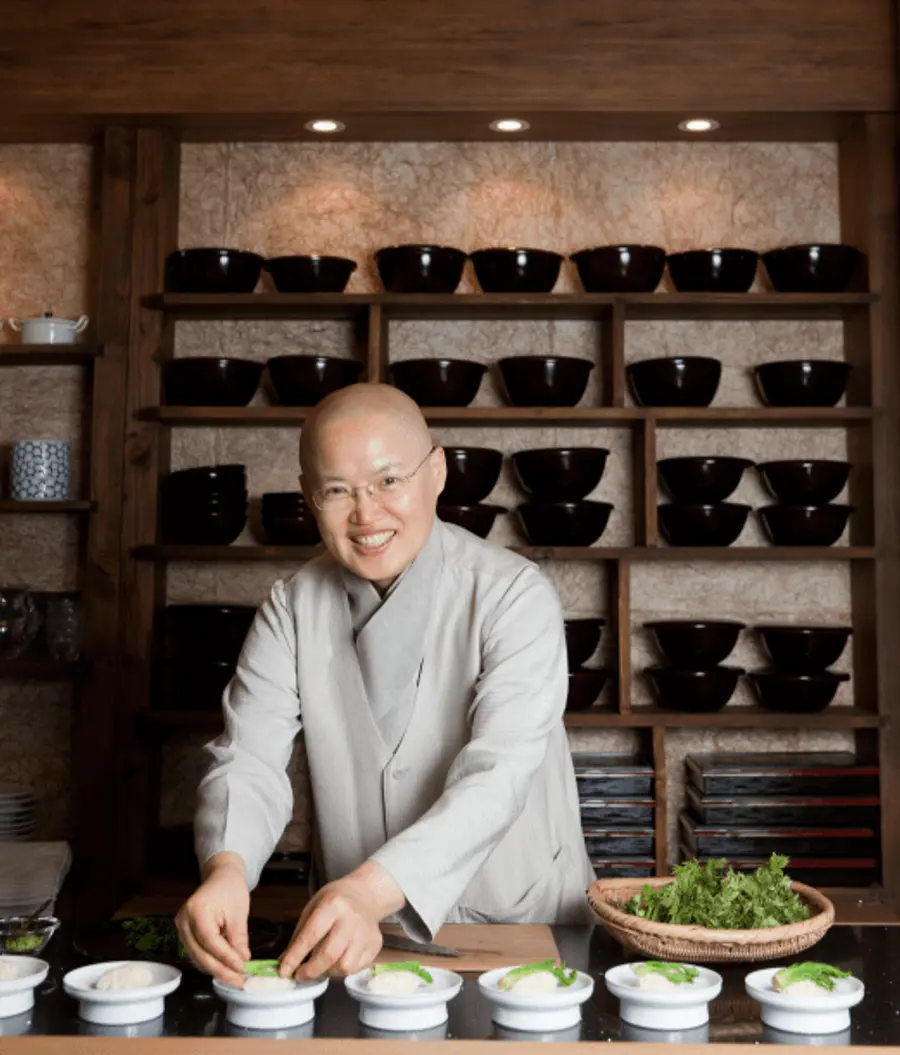
One of the main attractions is a culinary session with temple cuisine master Daeyan Sunim. Known from the TV program “The Chefs of Gongyanggan,” Daeyan Sunim will present an exhibition of 108 temple dishes, called “Temple Table,” and give a talk on temple cuisine and natural healing.
There are three paid packages. The Fill package (35,000 won for two people) includes one clear tent, a mat for two, a lotus-leaf rice lunchbox set by Daeyan Sunim, a tea-tasting ticket, a Peace Light and a lantern. It is limited to 80 tents, available first come, first served. The Empty package (15,000 won per person) includes a one-person mat, a lotus-leaf rice lunchbox set by Daeyan Sunim, a tea-tasting ticket and a Peace Light. The Stay package (15,000 won per person) is available only at the venue and includes a one-person mat, fresh vegetable bibimbap, a tea-tasting ticket and a Peace Light. Reservations have been open on the online platform NOL since 10 a.m. on the 14th. Visitors can take part in all booth activities and stage programs for free without buying a package.
Singing bowl meditation, 108 prostrations and a walk with the head monk: Choose a meditation that suits you
Several programs use the body and sound as entry points to meditation. They include a healing meditation with singing bowls (“Temple Stillness”) and 108 prostrations to clear the mind through repeated bows (“Temple Emptying”). Visitors can also walk and exchange Zen questions and answers with Hongbeopsa’s head monk, Sims an Sunim (“Temple Steps”).
Other offerings include a tea gathering to share concerns with monks over tea (“Temple Peace”), a program to experience tea ceremonies at seven temples (“Temple Impressions”) and natural dyeing (“Temple Fulfillment”).
Those who find it difficult to sit still may prefer the 108 prostrations or the walk; those who find their minds settling through sound may enjoy singing bowl meditation. Visitors who prefer to sort through their thoughts by talking might try the tea gathering, while those who want to focus by working with their hands may choose the tea ceremony or natural dyeing. The event’s value lies in letting visitors try different approaches in one day and get a sense of which kind of meditation suits them.
Lantern-lighting ceremony and fall-night performances by Kwak Jin-eon and Sanmanhan Siseon
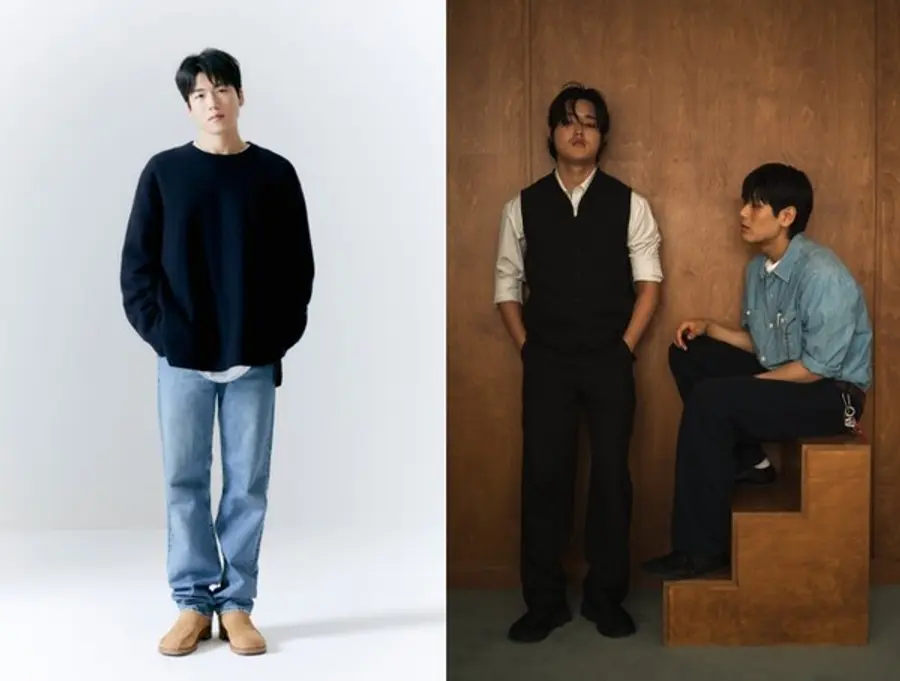
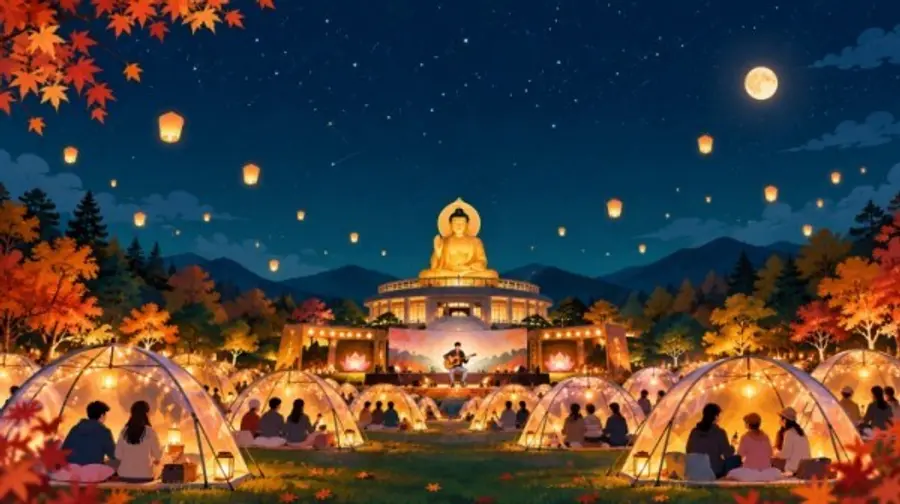
After sunset, a lighting ceremony (“Temple Light”) will illuminate Peace Lights in a grassy plaza lit by lanterns. The concert that follows (“Temple Glow”) will feature singer-songwriter Kwak Jin-eon on Oct. 30 and acoustic duo Sanmanhan Siseon on Oct. 31.
From a temple to look around to a temple to stay in
Na Yun-bin, director general of Busan City’s Tourism Contents Industry Bureau, said the event was designed to expand traditional temples into places where people can stay and have experiences, so anyone can enjoy the appeal of K-temples. He added that the city would continue to seek out distinctive tourism content that draws on Busan’s unique cultural resources.
For those new to meditation, a temple can first teach the art of eating and walking slowly, rather than how to sit quietly. A half-day spent at a mountain temple in fall could be the first step toward finding a form of meditation that suits you.
For inquiries: fare3041@naver.com