

One of Australia’s early Goenka tradition centers, which held its first course in November 1983 … Course costs are covered entirely by donations from graduates
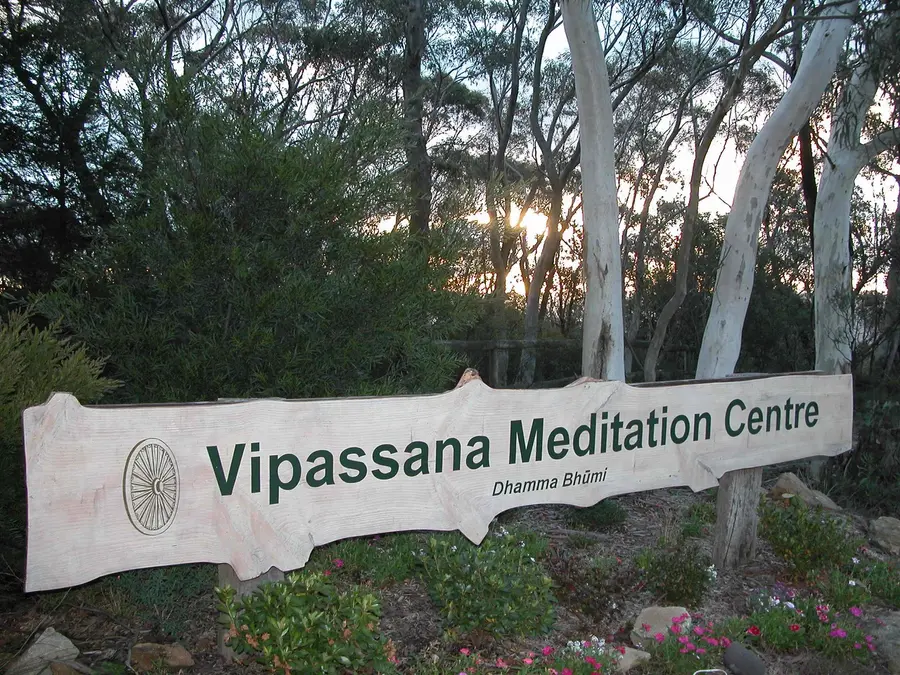
A little more than two hours west of Sydney by train lies Blackheath, a mountain village in the Blue Mountains. Within walking distance of the village’s station, surrounded by Blue Mountains National Park, a UNESCO World Heritage site, is Dhamma Bhūmi, a Vipassana meditation center. The name means “land of Dhamma.”
The courses held here are 10-day residential programs. There is no fee. Participants receive lodging, meals and instruction at no charge, while operating costs are covered entirely by donations from people who have completed the course.
First course held seven months after land was purchased in 1981
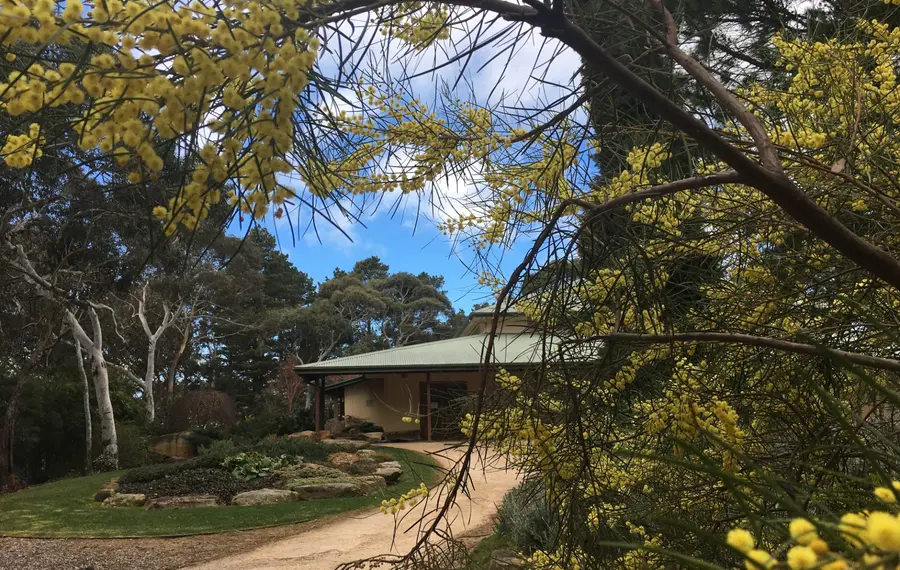
The story began in 1980, according to records from the Vipassana Research Institute, or VRI. S. N. Goenka, who carried on the lineage of Sayagyi U Ba Khin in Myanmar, began holding courses outside India in 1979. In 1980, he visited Australia and led courses in Sydney and Perth. Local students who attended those courses began discussing the need for a permanent center.
Land in Blackheath was purchased in 1981, followed by seven months of intensive construction. Even digging the foundations proved difficult, and records note that severe winter cold and ice delayed the work. The first buildings were a wooden dormitory and meditation hall. The first course was held in November 1983.
The facilities expanded in stages. The dining room and kitchen were enlarged in 1986, and a pagoda with 36 meditation cells was completed in 1990. In 1992, the center held its first 30-day long course and built additional rooms. A new meditation hall with capacity for 250 people was completed in 2000, and eight cells were added to the upper level of the pagoda in 2007.
A site 1,065 meters above sea level, surrounded by World Heritage forest
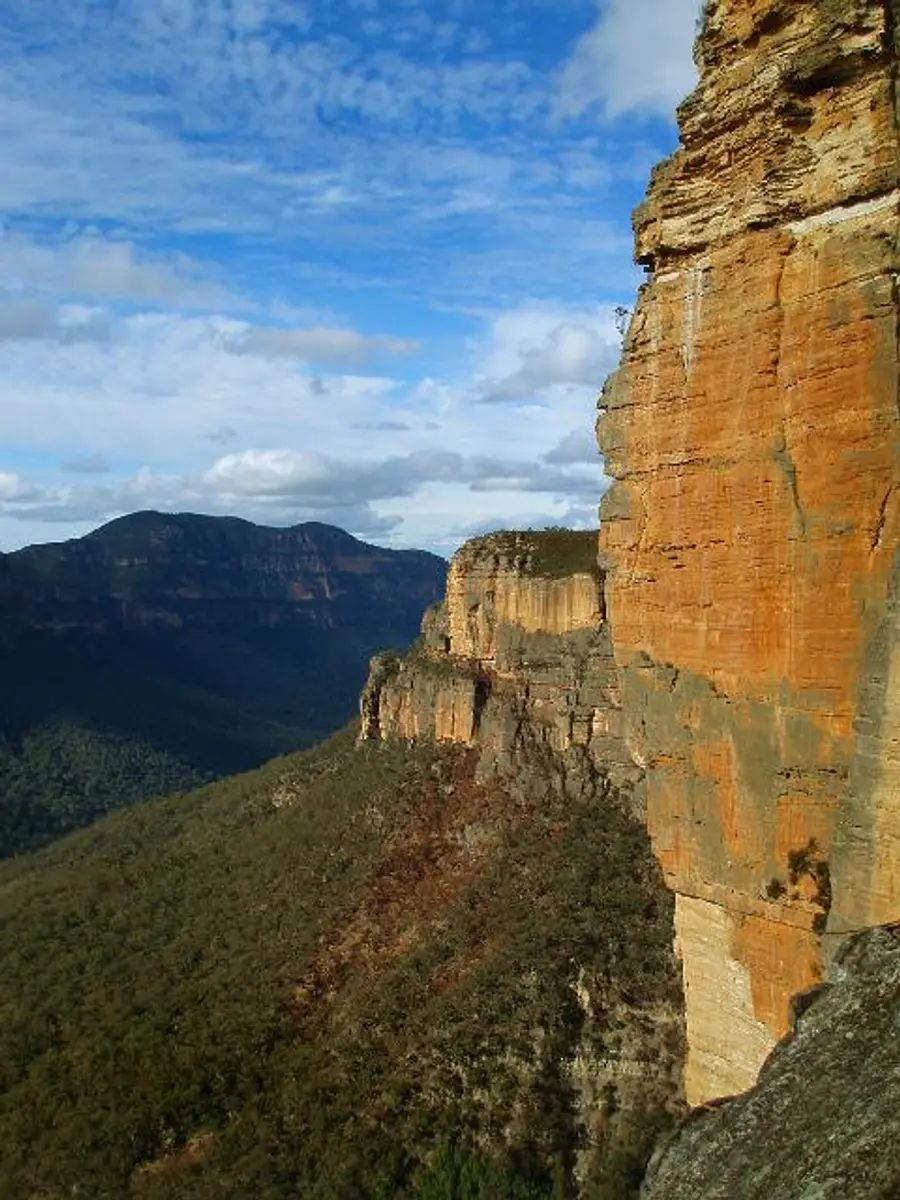
The center sits on a cliff 1,065 meters above sea level. It overlooks the Grose Valley, with Blue Mountains National Park surrounding it on all sides.
Published figures vary slightly on the size of the property. VRI records list approximately 38 acres, while the center’s official website lists 40 acres.
The facilities include a large meditation hall and pagoda, individual meditation cells for experienced meditators, a kitchen run by volunteers, accommodations with private and shared rooms, and separate lodging for volunteers. The center’s official website says it can currently accommodate about 100 meditators.
Ten days beginning at 4 a.m.
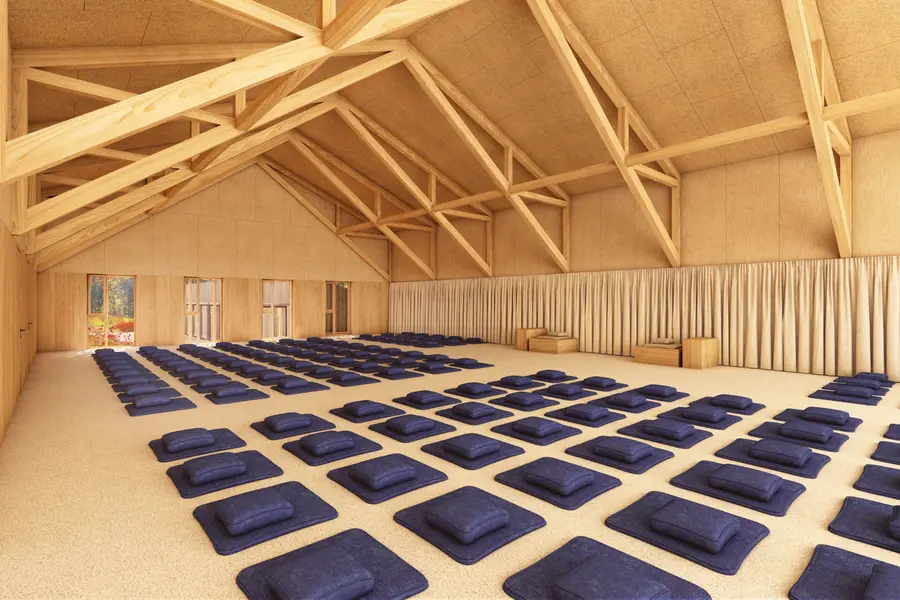
The days on the 10-day course are long. According to the official Vipassana schedule, the day begins at 4 a.m. and ends at 9:30 p.m. Participants meditate in the hall or in their rooms from 4:30 to 6:30 a.m., followed by alternating periods of meals, rest, group meditation and lectures. From noon to 1 p.m., they can meet individually with a teacher.
Participants observe Noble Silence during the course. This includes silence of the body and mind as well as speech. All forms of communication, including gestures and notes, are prohibited, and participants may speak only when necessary with teachers and management. The silence continues through the morning of the final full day.
Participants observe at least five precepts during the course: abstaining from killing, stealing, sexual activity, lying and intoxicants. The official guidance clearly states that people experiencing mental health problems are not advised to participate. In other words, the organization does not present meditation as a solution applicable to every condition.
Why there is no participation fee
There is no participation fee for the course. The official Vipassana guidance says the courses operate entirely on donations.
Donations also come with rules. First-time participants may donate only after completing the course. The structure allows people who have experienced the full 10 days and judged its value for themselves to contribute toward making a place available for the next person. Donations that fund future courses are open only to people who have already completed a course.
Volunteers run the kitchen. People who completed earlier courses return to prepare meals and maintain the facilities, supporting this operating model.
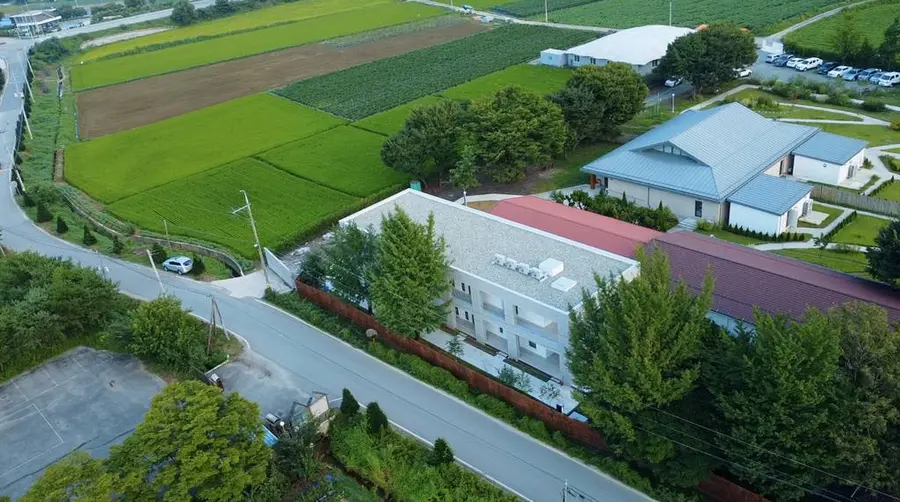
Centers following the same tradition also operate in South Korea
Vipassana courses are held in the same format in countries around the world. Each center follows the same course structure and rules, including the policy of charging no participation fee. The directory maintained by the international organization at dhamma.org/en/locations/directory lists centers and schedules by country, including courses held in South Korea.
If traveling to Australia is difficult, one option is to first experience a 10-day course at a center in South Korea or elsewhere in nearby Asia, then seek out a location with a different setting, such as Blackheath. Even though the course content is the same, the combination of a 1,000-meter-high cliff and World Heritage forest is unique to Dhamma Bhūmi.
Who can participate
The center says it welcomes everyone regardless of religion, gender, race or nationality. Before applying, however, participants must read and accept the Code of Discipline, the course checklist, guidance on what to expect from the course, and information about course finances.
There is one condition on applications: Participants may apply for only one course at one center at a time. The rule prevents people from applying simultaneously to several centers and holding multiple spots.
The instruction is in English. Because participants are cut off from outside contact for 10 days, anyone traveling from South Korea should set aside nearly two weeks, including travel days before and after the course.
Getting there and applying
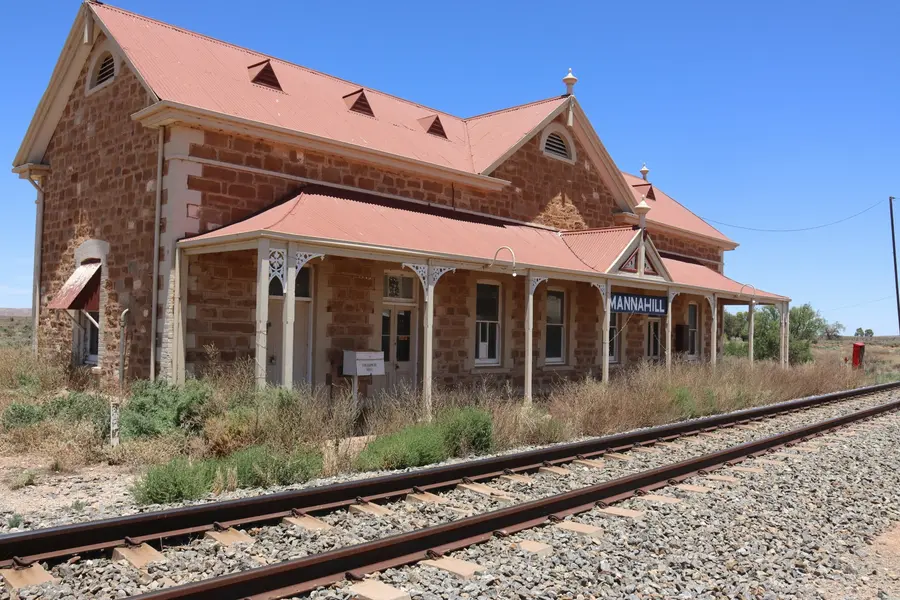
The center is located at 212 Station Street, Blackheath NSW 2785. It is about 110 kilometers west of Sydney, and the official guidance puts the journey at two hours and 15 minutes by train. Take the Blue Mountains Line to Blackheath Station, then walk to the center. Because parking is limited, the center asks visitors to use the train whenever possible.
Courses are also held at rented venues outside the center in several locations across Australia and New Zealand. If the Blackheath schedule does not work, those locations are another option to consider.
When people think of a meditation trip, they often picture comfortable accommodations and a carefully planned program. Dhamma Bhūmi offers the opposite. There is no price list, and amenities are kept to a minimum. The center is open only to those prepared to endure 10 days of silence, but once they cross that threshold, they are not asked to pay.
Official website: https://bhumi.dhamma.org/
Course schedule: https://www.dhamma.org/en/schedules/schbhumi
Applications: https://bhumi.dhamma.org/apply-for-a-course
Phone: +61 487 510 407