

Wellness centre in Santa Cruz La Laguna opened in 2001 after the purchase of a Maya family villa, offering week-long programmes across 25 rooms and two temples
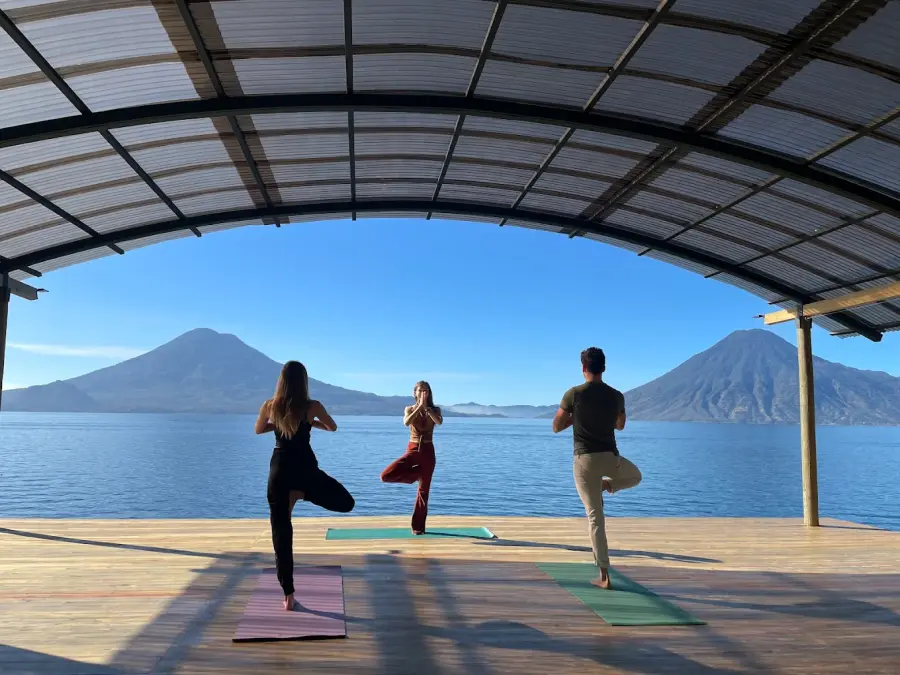
Lake Atitlán, in Guatemala’s highlands, is ringed by three volcanoes. Of the villages along its shores, Santa Cruz La Laguna cannot be reached by car. With no road access, visitors must travel by boat. Villa Sumaya sits on the lakeside in the village.
The difficulty of reaching it largely defines the retreat centre’s character. Its setting makes it hard for visitors to drop in briefly and leave. Most programmes are also structured around seven-night stays for the same reason.
Villa Sumaya began as a family holiday villa
The centre began with a house called Maya Rose House. It was originally a holiday villa used by a Guatemalan family. Villa Sumaya was established after the property was bought in 2001.
It has since grown considerably. There are now 25 rooms, accommodating up to 50 guests. The accommodation is divided by type. Ginger Suites form the upper-tier room category, while Lotus House is a separate building with six rooms.
The centre promotes natural healing alongside the preservation of Maya traditions. At a time when wellness facilities arriving from outside often use local culture merely as a backdrop, Villa Sumaya has chosen to include Maya ceremonies as formal parts of its programmes.
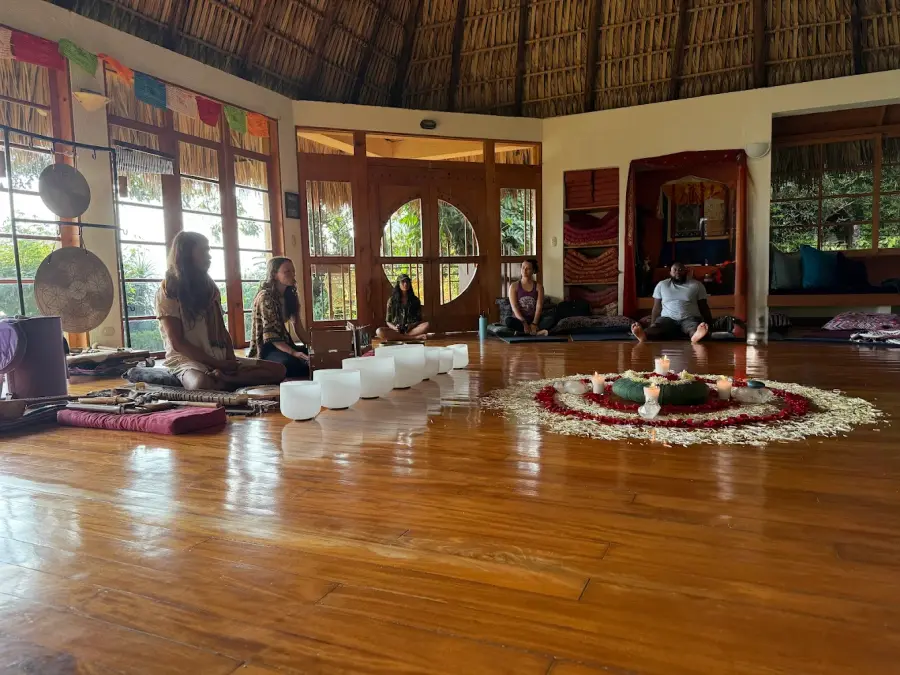
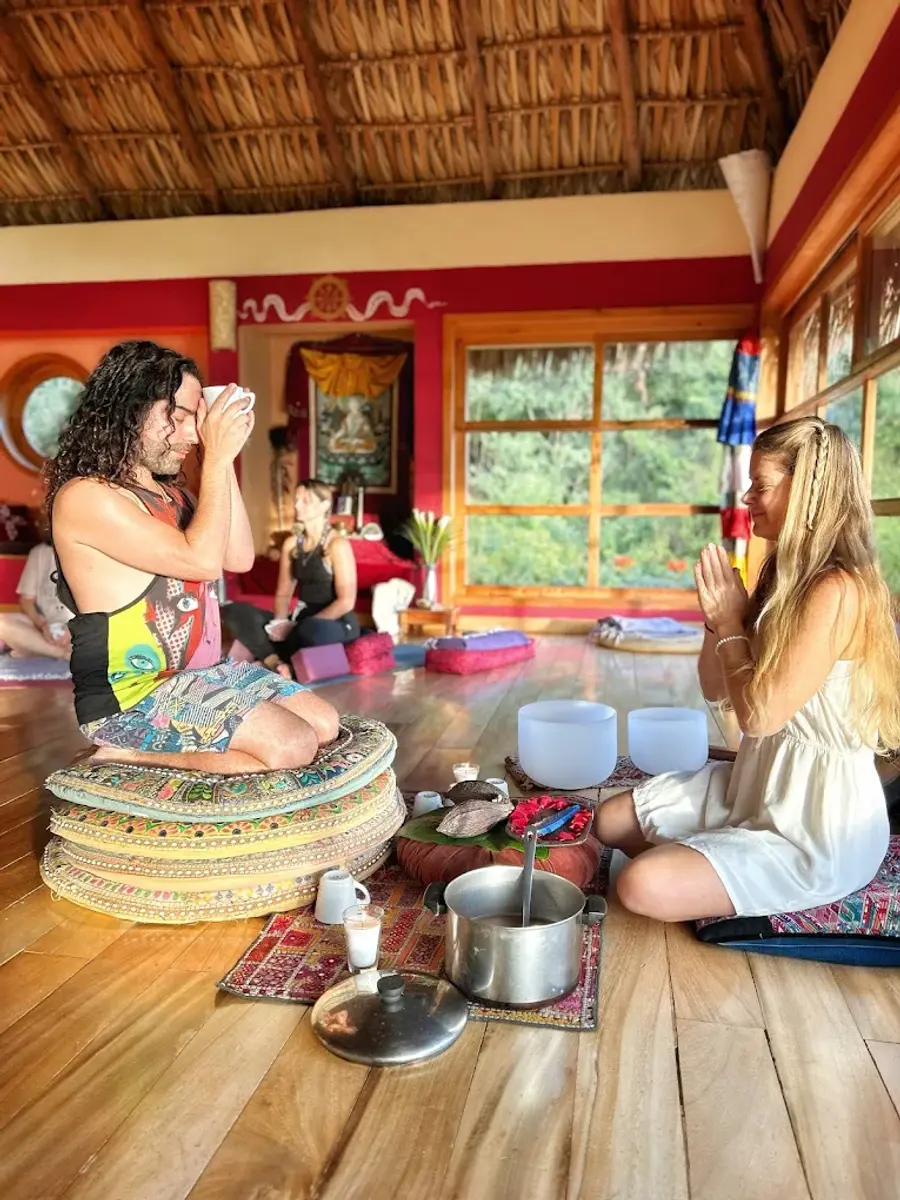
Outdoor activities and practices set against lake and volcanoes
The layout makes clear what the centre is designed for.
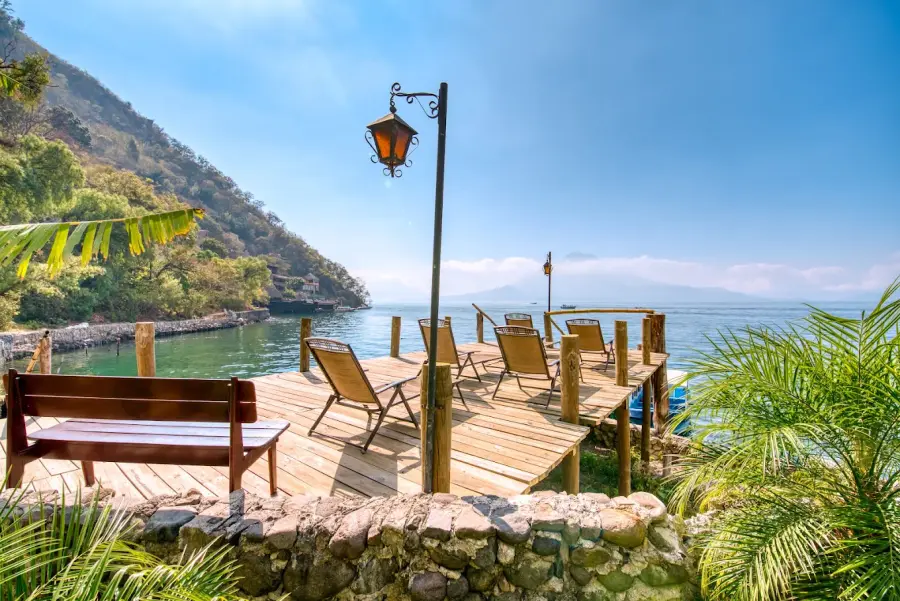
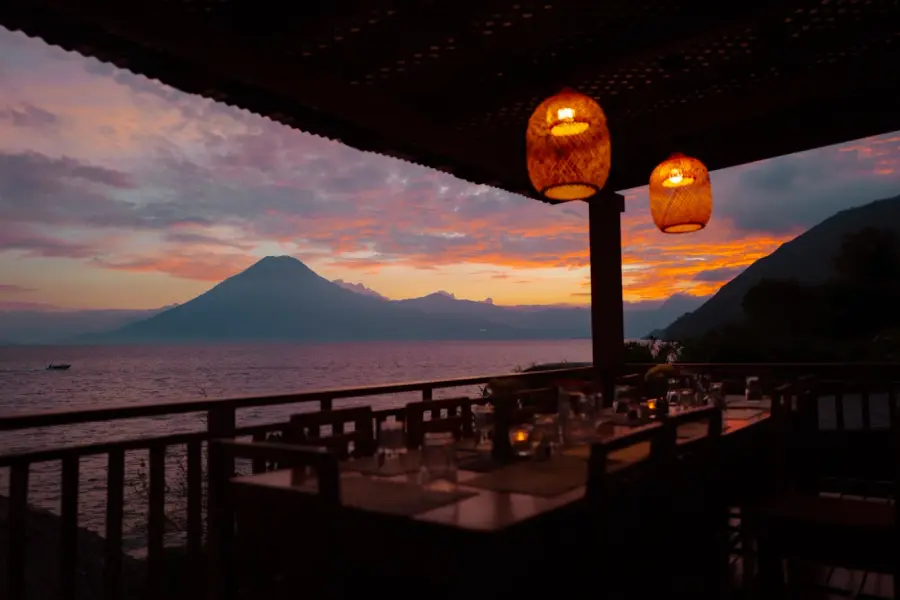
There are two spaces for practices and classes. Blue Tiger Temple and Tara Temple serve both as temples and studios. The spa area has four healing huts. The site also includes a restaurant, swimming pool, sauna and outdoor platform.
The lake and volcanoes are assets the centre could not create for itself. That is why the programmes include time for outdoor activities such as hiking, swimming and paddleboarding. Days are not filled solely with indoor classes.
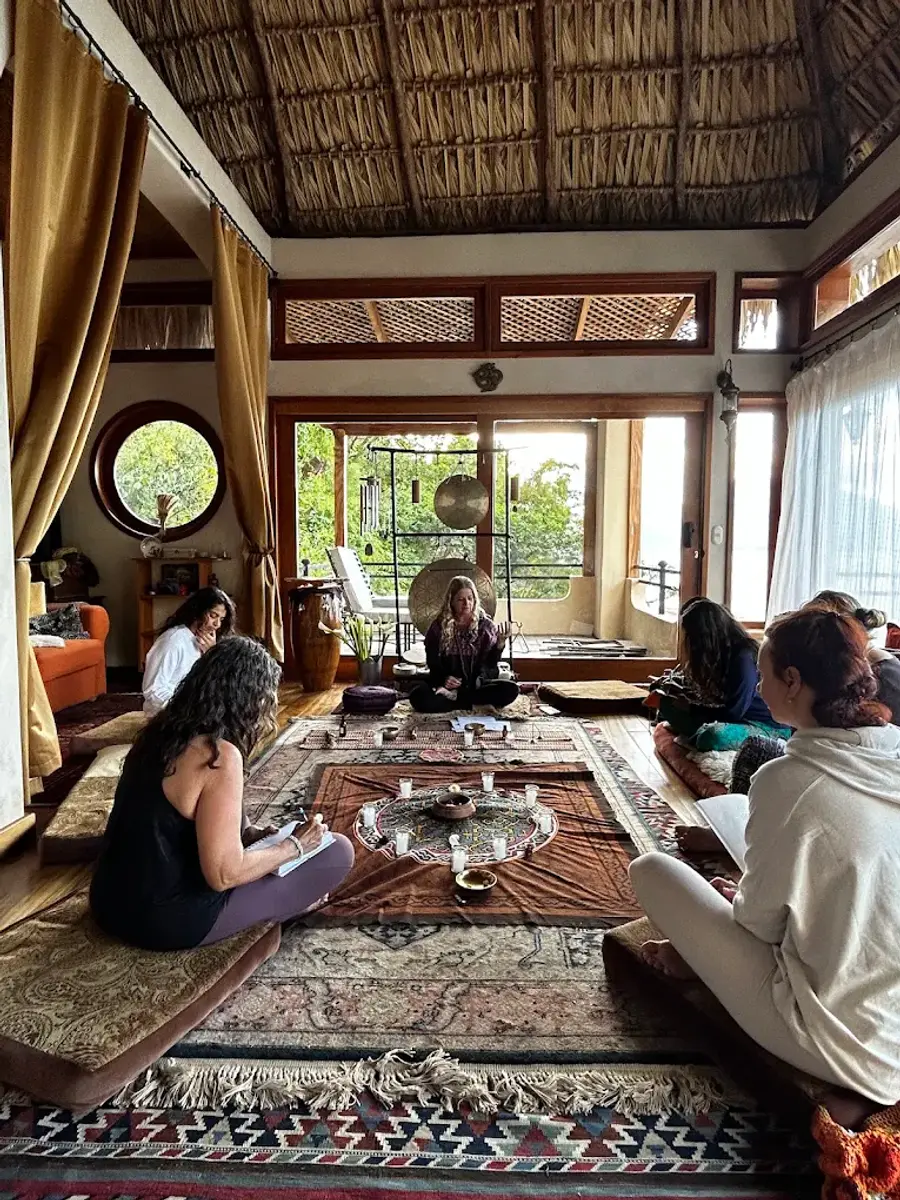
Seven-night group and individual retreats form the core offer
The programmes fall broadly into two categories.
One is the group retreat. Groups of between 12 and 50 people stay for seven nights, with the centre managing meals and the schedule. The other is the individual retreat, aimed at smaller groups of one to four people and also based on a seven-night stay.
Individual retreats combine sessions led by the centre’s own specialists. They include yoga, sweat lodge ceremonies, Maya fire ceremonies, reiki and intuitive art. Time is also set aside for rest and reflection, sunbathing and outdoor activities. Rather than following a tightly packed timetable, the format combines scheduled programmes with space in between.
Retreats led by visiting teachers are also popular. As of 1 October 2026, according to the centre’s official schedule, a special session titled ‘Reclaiming the Sacred Centre’ is due to run from 24 to 31 October. From 31 October to 7 November, a retreat focused on ancestral memory and another combining yoga with sound healing will take place during the same period. A session themed around femininity is scheduled for 14 to 21 November, while two year-end retreats are planned from 27 December to 2 January of the following year.
The meditation calendar’s most notable entry is an 11-day Vipassana retreat running from 1 to 11 December. It includes a White Jambhala empowerment ceremony, reflecting the centre’s character by combining Buddhist practice with programmes focused on yoga and wellness.
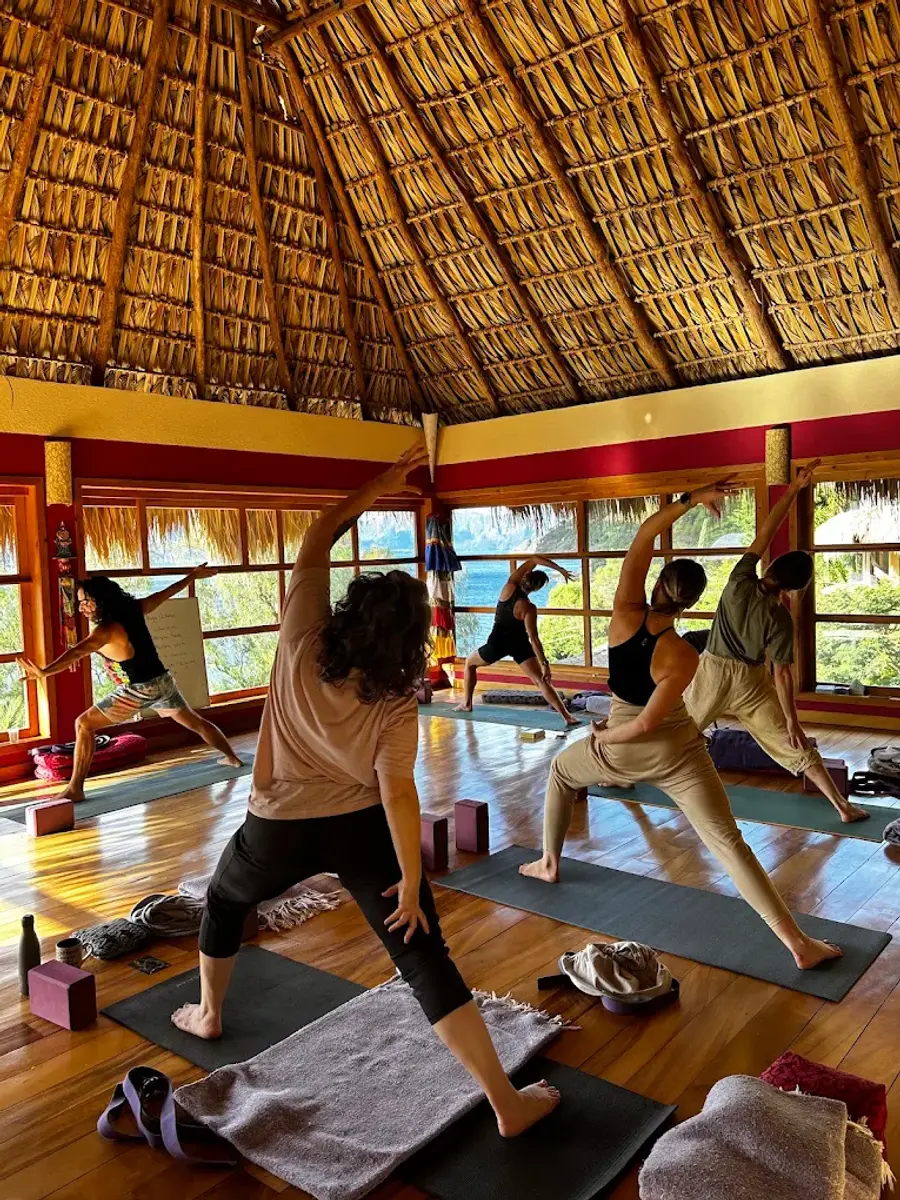
Guatemala’s highlands have distinct dry and wet seasons. The centre calls the period from May to October its green season and says it offers a quieter stay at that time. Rainfall is accompanied by fewer visitors and denser vegetation.
By contrast, retreats led by visiting teachers fill the calendar from November through the following spring. Even the schedule outlined above shows programmes running week after week. This period suits people seeking a retreat on a particular theme, while the green season is better for those looking for a quiet stay and the freedom to shape their own schedule.
Partnership with Kan Tours provides 24-hour shuttle and boat service
The journey begins in Panajachel. After travelling by road from Guatemala City to Lake Atitlán, visitors take a boat from Tzanjuyu pier in Panajachel. Public boats run every 30 minutes from 7am to 7.30pm. The centre is 10 minutes away by boat.
A 24-hour shuttle and boat service operated in partnership with Kan Tours is also available for late arrivals or disrupted itineraries. It is a practical arrangement made necessary by the village’s lack of road access.
Individual retreats arranged with the centre
Bookings and enquiries can be made by email at reservations@villasumaya.com or by telephone on +502-4026-1390. The planned retreat list is available at villasumaya.com, with applications accepted through the individual programme pages. Individual retreats are arranged with the centre according to the preferred dates and detailed itinerary, so guests need to make contact first to coordinate the schedule.
Prices are not published. As the duration, programme and accommodation category vary, costs must be confirmed through an individual enquiry.
Latin America remains an unfamiliar region in South Korea’s meditation travel market. It is far away, and information is limited. Even so, the combination of Maya traditions and modern wellness programmes in a village beside a volcanic lake offers a different experience from retreats in Asia or Europe. It is worth considering for anyone planning a long journey or a period of rest.
#VillaSumaya #LakeAtitlán #Guatemala #LatinAmericanRetreat #MayaTradition #WellnessRetreat #MeditationTravel