

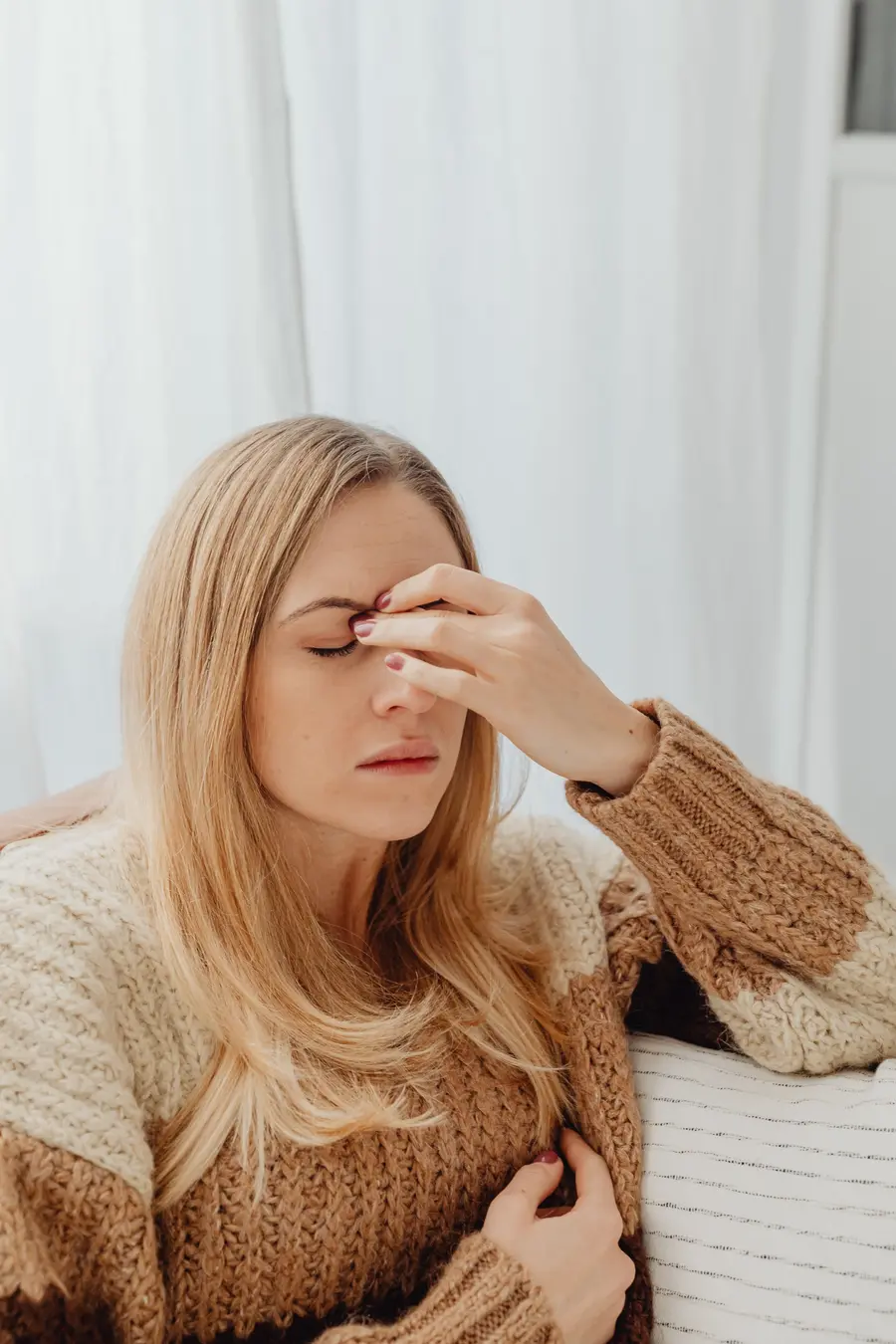
"I want to meditate, but it doesn’t work out the way I want."
Then what is the biggest reason meditation doesn’t go well?
A survey of 272 meditation practitioners found the biggest barrier is distraction (32.7%)… 61.6% of respondents said daily meditation, with morning and short sessions, has become the norm
What are people meditating for now, and how are they meditating? A "Meditation Practice Report 2026" published by Mindful Leader—a meditation leader network—maps out that landscape. This survey, conducted in spring 2026 with 272 meditation practitioners, may not have a large sample size, but it is still worth consulting because it captures the real habits and concerns of people who have trained for a long time.
Distraction beat lack of time
The most striking change is the ranking of barriers that get in the way of meditation. Respondents put "worrying too much about attention being scattered" at the top at 32.7%, displacing "lack of time," which had long been No. 1. Lack of time followed at 29.3%.
It wasn’t that they didn’t have time to train. It was an admission that even if they sat down, their mind drifted and they couldn’t focus. In an era where smartphones and notifications slice attention into small pieces, the article shows how meditation’s task is shifting from "making time" to "pulling scattered attention back together."
Mornings, 10 to 20 minutes — a meditation routine that’s become standard
The way people train has become even more routine and shorter. Of respondents, 61.6% said they meditate every day, and 64.6% said they prefer the morning. For the time spent sitting at once, 36.2% chose 10 to 20 minutes and 38.4% said more than 20 minutes. Rather than sitting for long stretches, short, regular practice that kicks off the day has taken hold.
In other words, repeating short windows in the morning without elaborate preparation is solidifying into a sustainable habit.
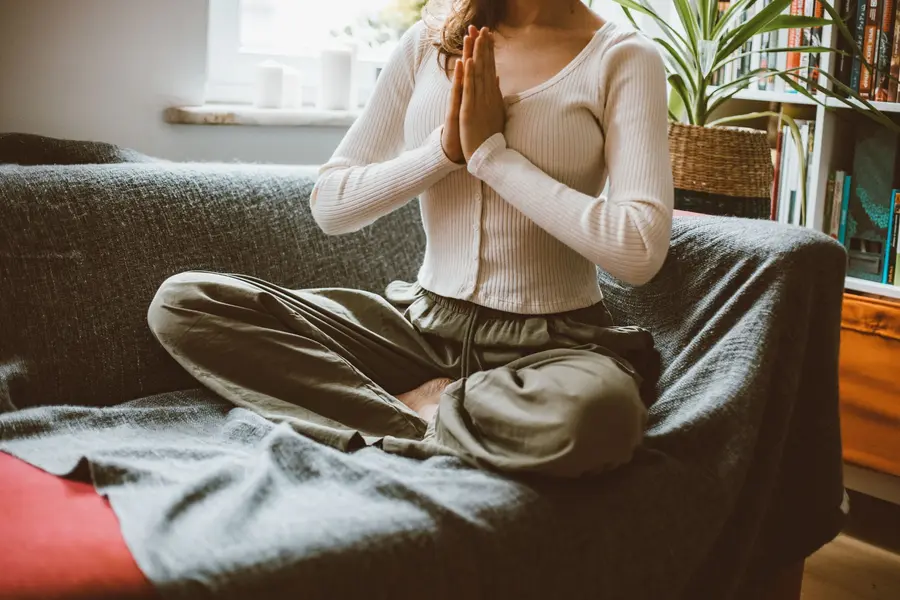
Why meditate — emotional balance tops the list
Motivations for meditating are also changing. The highest-ranked reason cited by respondents was emotional balance (81.2%), followed by contemplative practice (75.4%) and reduced stress (73.5%). The approach to meditation is clear: it’s not just a tool to lessen stress—it’s a practice aimed at regulating emotions evenly and looking inward.
Quietly, with it kept open, together — changes in the way people practice
The style of practice is also changing. Silent meditation, sitting quietly without guided audio, rose to 59%. And "open awareness," which involves noticing every experience that arises rather than concentrating on a specific target, surged to 58.5%. Responses also showed a desire to practice with others: 25.0% said they want support from the community rather than staying with solo training. The growing number of recent wellness gatherings and meditation-related events also appears to reflect this desire.
The flow mapped out in the report overlaps with domestic conditions as well. The diagnosis that distraction is the biggest barrier helps explain why dedicated urban meditation spaces and short morning meditation programs are increasing, while the desire to train together connects with the spread of group meditation and meditation communities. Meditation is becoming a modern-life skill for people to gather scattered attention, not a practice reserved for special individuals.
Both those who want meditation and those who want to teach meditation continue to grow in number. The reality is that demand for meditation experts keeps increasing, yet there are very few meeting points with people seeking to find those experts. It appears that there will need to be more diversification in channels that can properly connect those searching for the right meditation with those who practice meditation as it takes root as a modern daily-life skill.