

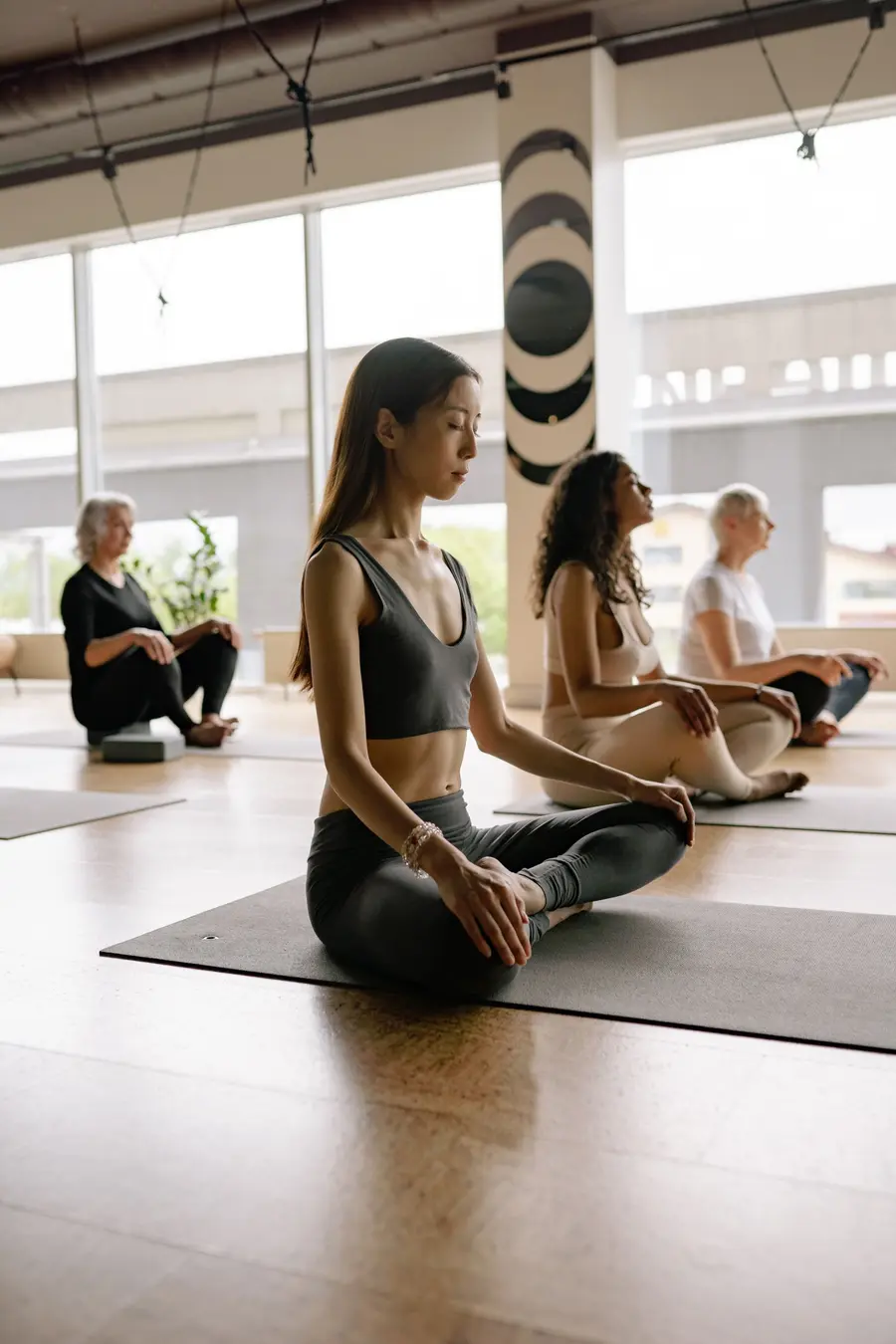
There is a common belief that to learn meditation, you have to find a teacher, register at a center, and set aside time every day to make it a habit. But a large-scale study has found that even meditating alone for 15 minutes, following a single guided voice—without a teacher, a subscription app, or long training—can noticeably lower stress.
Led by researchers at the Department of Psychology at Swansea University in the U.K., an international team involving 37 institutions—including Université Grenoble Alpes in France—confirmed through a randomized controlled trial that a one-time, self-administered meditation session eases acute stress. The team published the findings in the international academic journal Nature Human Behaviour (Nature Human Behaviour). The paper was released online in June 2024.
One time, no teacher and no subscription—just 15 minutes
The research team recruited 2,239 participants and randomly assigned them to different meditation styles and control conditions. Women made up 70.4% of participants, and the average age was 22.4. The intervention was not complex. Participants performed one of four practices on their own for 15 minutes: a body scan that follows guided attention to bodily sensations in sequence, breathing meditation, loving-kindness meditation, or walking meditation. An active control group that did not meditate listened to readings of novels for the same amount of time.
The fact that the same design was carried out across 37 institutions gives weight to the results. The effects were not due to chance created by a particular instructor or a single environment; they were observed repeatedly in different locations.
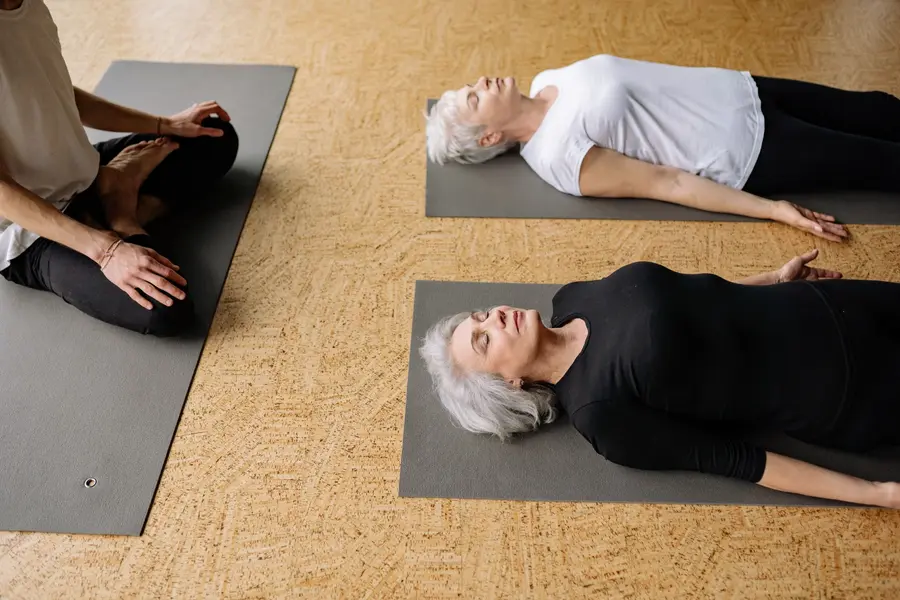
A body scan shows the biggest effect
Among the various methods, the body scan—focusing on sensations in the body one by one—had the largest effect. The average stress measure in the group that performed a body scan was 1.68, lower than the 1.95 recorded in the control group that listened to novels. The effect size was in the mid range (d = −0.56), and the Bayes factor, which indicates the strength of statistical evidence, was measured as extremely high.
The key point is that changes measurable after only a single short practice session could be detected. However, what this study confirmed is relief of acute stress at that moment, not evidence that it can be assumed to improve long-term mental health.
Evidence for bringing meditation to more people
The significance of the study lies in accessibility. If people can manage stress with only a short guided audio track, without a professional teacher or paid programs, then meditation can lower the barriers of both time and cost and reach more people. Possibilities for self-practice also open up, such as during brief gaps like in-school counseling rooms, workplace break spaces, or hospital waiting times.
The research team said it views self-administered meditation not as a replacement for existing in-person programs, but as a channel that can offer a first step to those who had been unable to start meditating because the entry barriers were high.
Source:
· "Self-administered mindfulness interventions reduce stress in a large, randomized controlled multi-site study", Nature Human Behaviour, Vol. 8, No. 9 (2024), pp. 1716–1725.
· https://www.nature.com/articles/s41562-024-01907-7