

How much good does it do to teach mindfulness to children? Researchers have been building evidence for more than two decades on that question, but critics have also pointed to wide variation in the results. A U.S. research team identified one factor behind that spread: the person conducting the study and his or her own meditation habits. The finding comes after the team pooled and recalculated 107 studies of mindfulness-based interventions targeting children and adolescents. The paper was published in volume 95, issue 4 of the journal Psychotherapy and Psychosomatics.
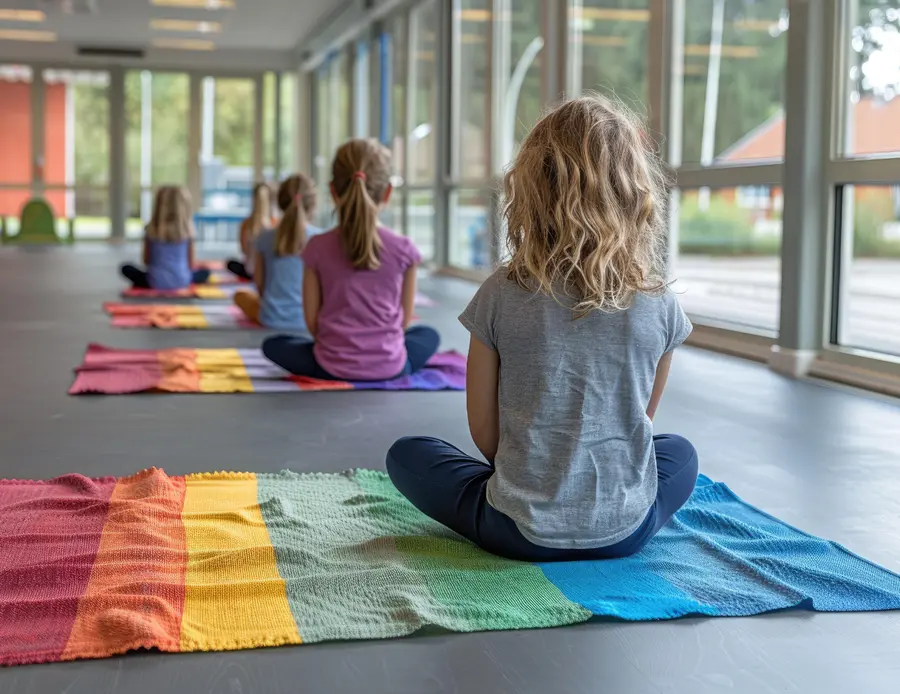
The study compiled data from 8,510 people
The analysis included 107 mindfulness-based intervention studies involving children and adolescents, 1,393 statistics, and data from 8,510 participants. With an average age of around 12 (range of about 4 to 19), the study is the largest mindfulness meta-analysis to date focused on children and adolescents. The research team calculated each study’s effect size and also coded the meditation practice histories reported by the paper’s authors themselves. There were three measures: time spent meditating in the past 24 hours, the number of meditation sessions in the past seven days, and the number of years the authors had maintained the practice.
The overall effect size was Hedge’s g 0.33 (95% confidence interval 0.27 to 0.39, p〈0.001). That falls between small and moderate. The results do not differ much from a conclusion that has been repeated in this field: mindfulness programs can help children, but the impact is not dramatic. In fact, earlier meta-analyses have reported similar ranges (Hedge’s g 0.31 to 0.32, Cohen’s d 0.16 to 0.30).
The split came down to researchers’ recent practice volume
The difference showed up elsewhere. In studies led by researchers who had meditated at least 30 minutes within the past 24 hours, the effect size rose to g 0.51 (95% CI 0.35 to 0.66, p=0.05). In studies led by researchers who had sat for at least seven times in the past seven days, the effect size was g 0.52 (95% CI 0.39 to 0.65, p〈0.01). That figure is more than 1.5 times the overall average.
By contrast, meditation experience—which indicates how many years someone has kept up the practice—did not track with effect size (p=0.17). In other words, it was not whether the person had been meditating for a long time, but whether they were actually sitting right now that made the difference. Among 97 researchers who responded to the survey, 95% said they had tried meditation at least once in their lifetime, but only 57% reported meditating within the past 24 hours. So even though most researchers had meditation experience, the length of their practice history had nothing to do with the results, while only their actual recent practice predicted the effects.
[
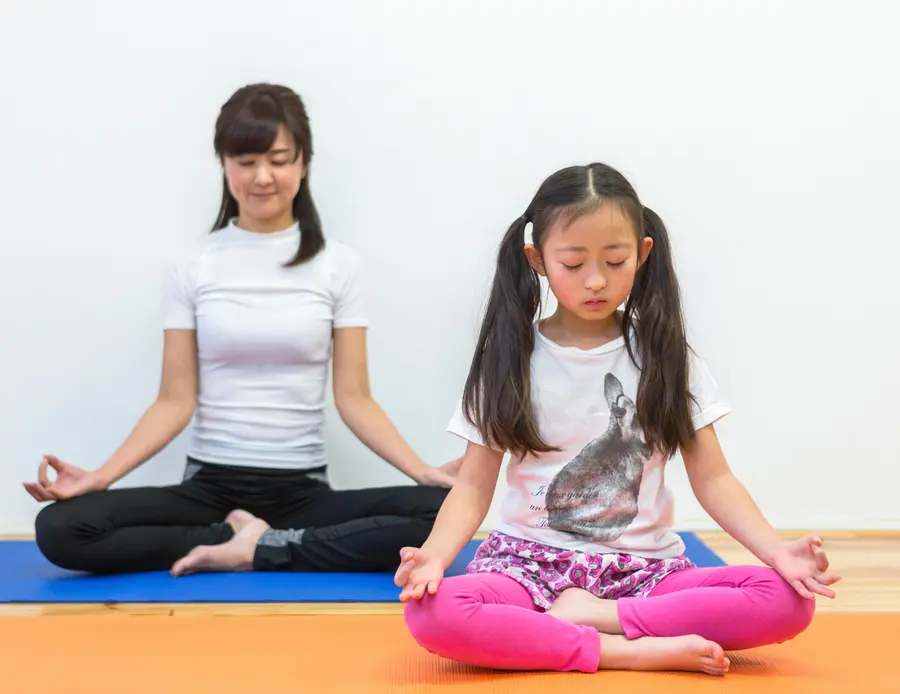
Why did the gap happen?
The paper does not claim a causal relationship. Instead, it offers three possible interpretations. First, a so-called expertise effect: researchers who directly practice meditation may understand subtle points in mindfulness literature and in intervention design and teaching methods better, leading to improved outcomes. Second, an environment effect: a lab led by someone who practices more deeply may operate with a warm, attentive atmosphere that raises the quality of how programs are delivered. Third, an enthusiasm effect: researchers who believe in mindfulness’ efficacy and practice it themselves may unconsciously bias how they design, collect, and interpret data in ways that favor the results. The paper also leaves open the possibility that other differences lie between studies that disclose meditation practice histories in detail and those that do not.
One interesting point is that the analysis found no evidence of publication bias. To overturn the findings, 185 additional null studies would have to be published, and even after adjustment, the effect size remained significant at g 0.22. When broken down by region, the effect size of studies conducted in Asia was also notably larger at g 0.54, compared with other continents (North America 0.35, Europe 0.28, Australia 0.12). The paper suggested that because mindfulness stems from Buddhist practice, program language, metaphors, and teacher-student relationships may have been more naturally accepted in Buddhist cultural contexts.
The corresponding authors are David C. Saunders from Columbia University’s Department of Psychiatry and Hedy Kober from the University of California, Berkeley’s Department of Psychology. The co-authors are affiliated with Columbia’s Department of Psychiatry and the Yale Center for Child Study. The researchers’ meditation practice histories were collected through an online survey under approval from the Yale institutional review board.
Questions that remain at mindfulness programs in Korean schools
In South Korea as well, mindfulness programs for children and adolescents have been expanding, centered on schools and local governments. From 2004 to 2024, there have been 67 mindfulness studies involving children and adolescents published in domestic journals alone, and the effect sizes reported for interventions based on mindfulness for adolescents range from 0.85 to 1.02. Positive results have been steadily accumulating.
The question this study raises comes before the content of the program or the number of sessions. It hinges on whether the teacher is continuing their own practice right now, and whether the program includes a structure that supports that. In leader training courses, required training hours and qualification requirements are addressed fairly thoroughly, but relatively less discussion has gone into how to support the leader’s own ongoing practice. The paper’s authors said they hope the results will prompt a re-examination of how individual researchers’ experiences shape mindfulness research. Ensuring that leaders have dedicated time to practice and designing regular personal practice as part of the program could be one key part of the answer.